Many Septic Systems are Located on Vulnerable Soils Near Water
At a Glance
Only a small portion of the Casco Bay watershed is served by wastewater treatment facilities. On-site wastewater systems pose potential threats to water quality, but those threats are unevenly distributed.
Harpswell and Sebago Lake are particularly vulnerable to contamination from on-site wastewater disposal because of their soil types and the proximity of wastewater systems to water.
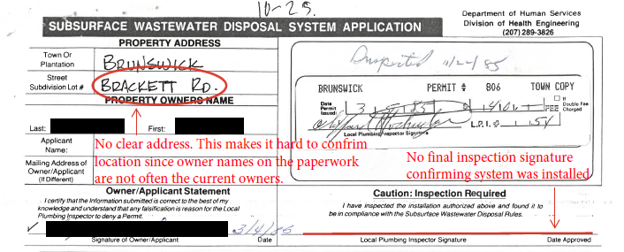
Septic systems are difficult to map across the entire region, but knowing system locations and vulnerability helps managers and scientists protect sensitive waterbodies.
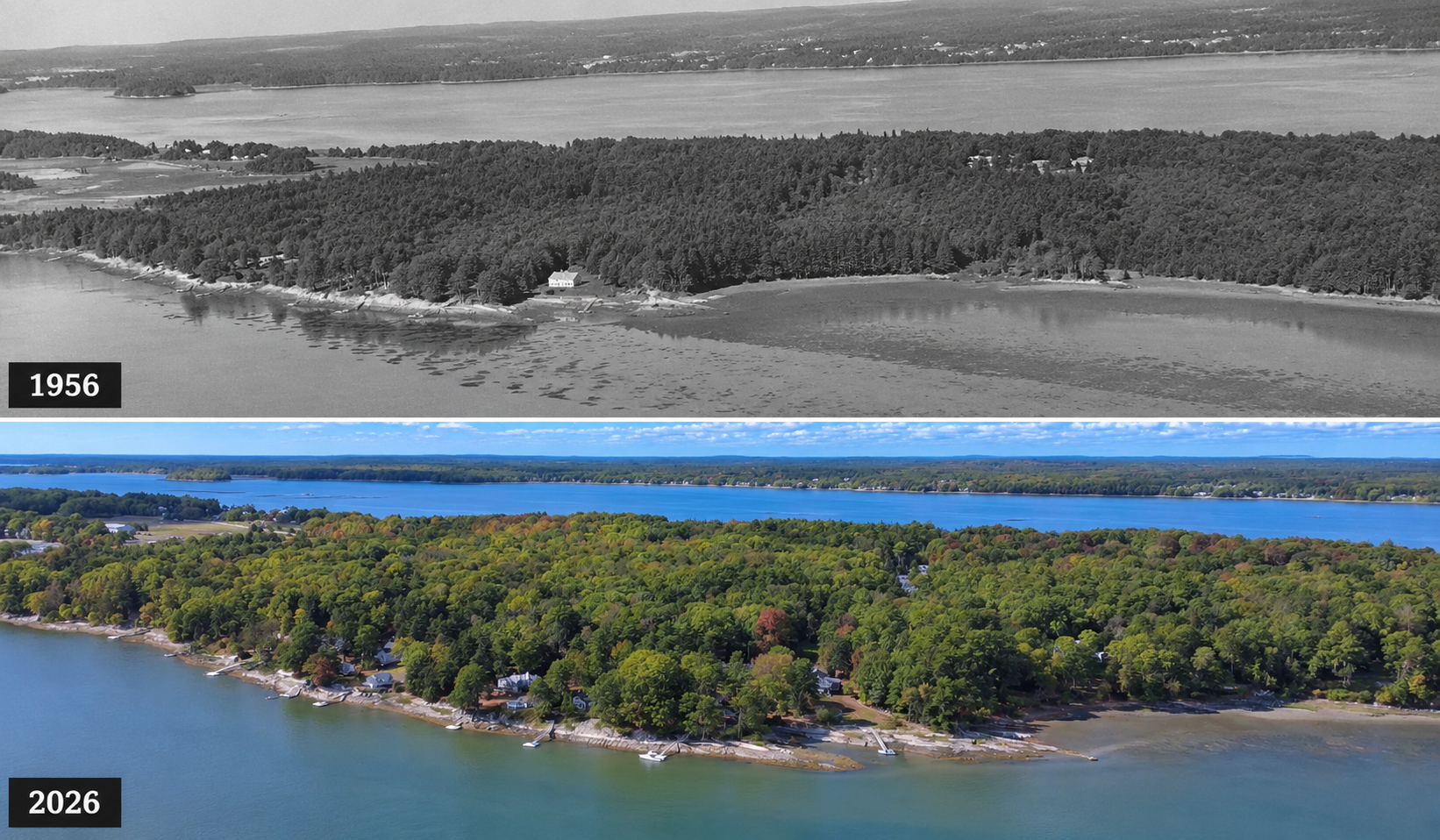
Growing populations in the region increase the need for effective sewage treatment, whether via centralized wastewater facilities or on-site systems like septic tanks.
Since the 2021 Report
Recent studies have identified areas where septic tanks are most likely to pose threats to water quality. As understanding the geography of wastewater treatment improves, more cost-effective strategies for investment in sewer systems, community-level treatment facilities, private septic systems and other wastewater infrastructure to protect water quality and human health can be developed.
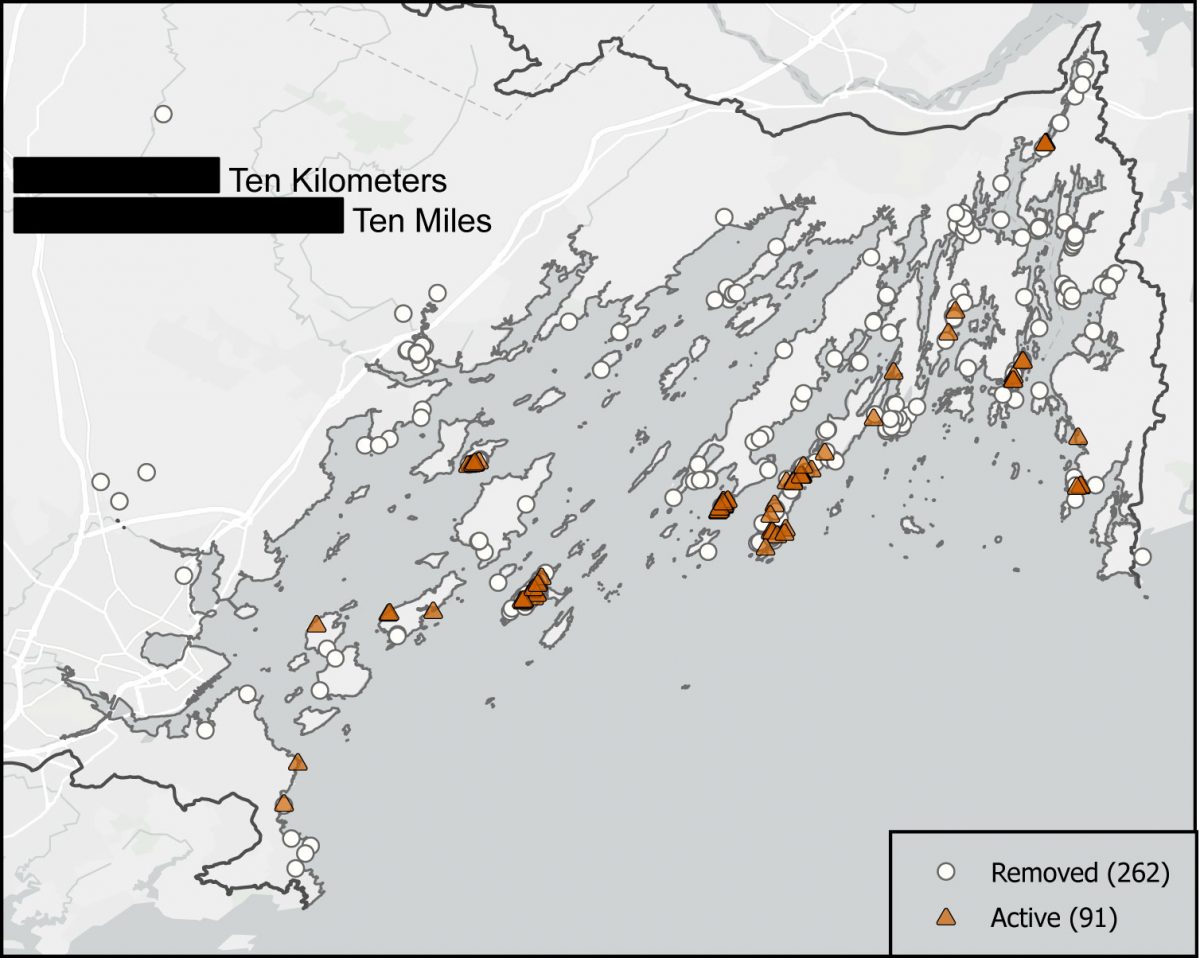
Untreated sewage from our homes and businesses carries pathogens that put human health at risk, nutrients that threaten water quality, and other pollutants. Wastewater produced in residential or commercial buildings can either be directed into a sewer system for offsite treatment at a wastewater treatment plant or disposed of onsite via a septic system or an overboard discharge (OBD).
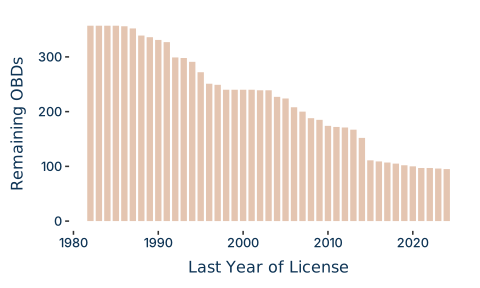
On-site systems can protect human health and water quality when properly installed and maintained, but with tens of thousands of septic tanks and dozens of OBDs in the region, cumulative effects – especially on vulnerable water bodies like lakes – can be important even when systems work as designed. Inevitably, some systems do not function as intended, posing additional threats.
Both septic systems and OBDs are regulated by the state, as improperly installed or maintained systems can threaten waterbodies. Out-of-date and malfunctioning systems can introduce excess nutrients and bacteria into waterbodies, triggering algae blooms and contaminating shellfish. Since most OBDs discharge directly to coastal surface waters, the state preemptively restricts shellfish harvesting in their proximity out of contamination concerns.