Casco Bay’s Marine Community Experiencing Changes Across Several Indicators
At a Glance
Increases in the abundance and biomass of some anadromous fish might reflect the success of continuing efforts to improve fish passage in Casco Bay rivers.
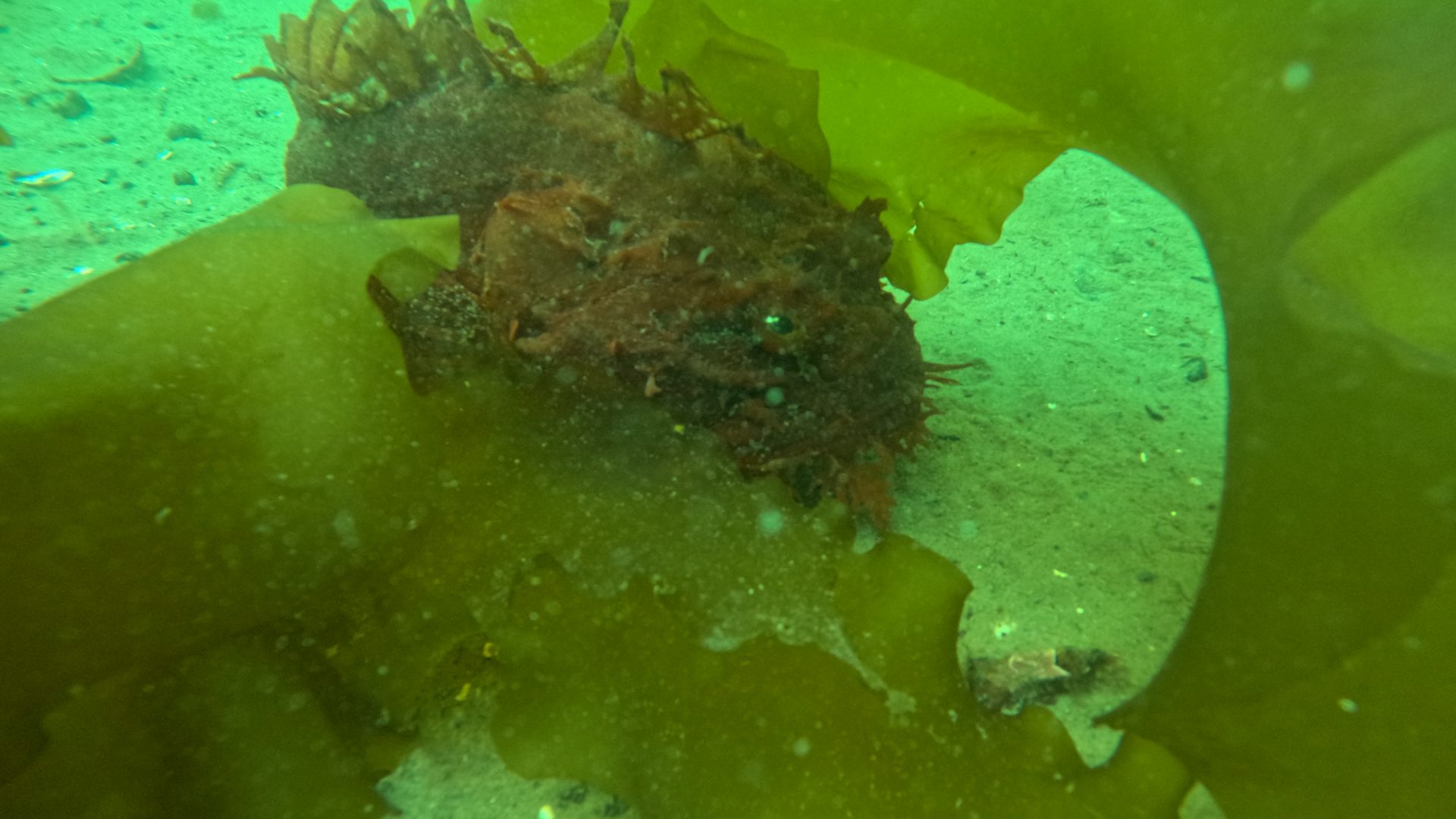
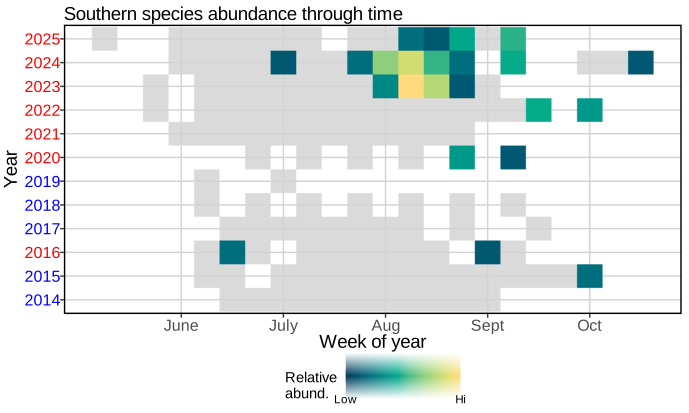
Southern species, including “Gulf Stream Orphans,” are becoming increasingly common.
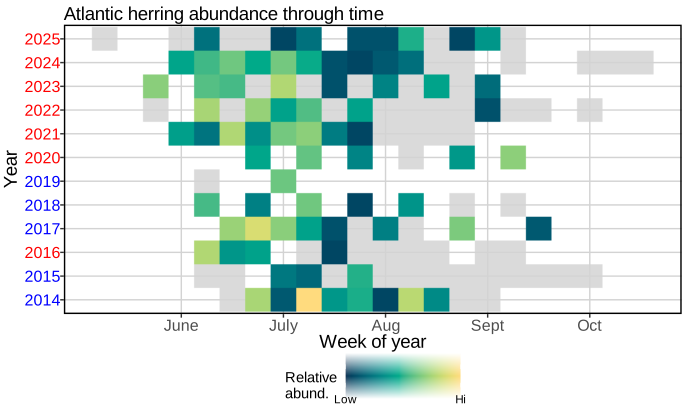
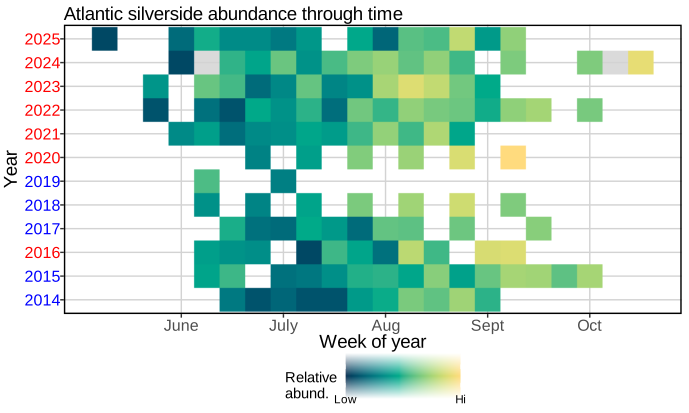
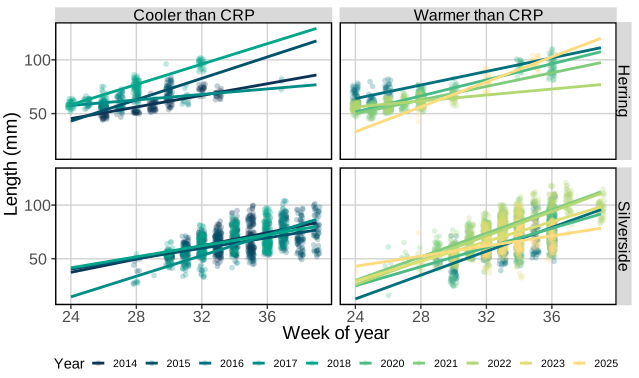
Warming waters are affecting growth rates of some fish in addition to shifting seasonal occurrences and community composition.
Since the 2021 Report
One to two sentence summary of any major changes since the last report
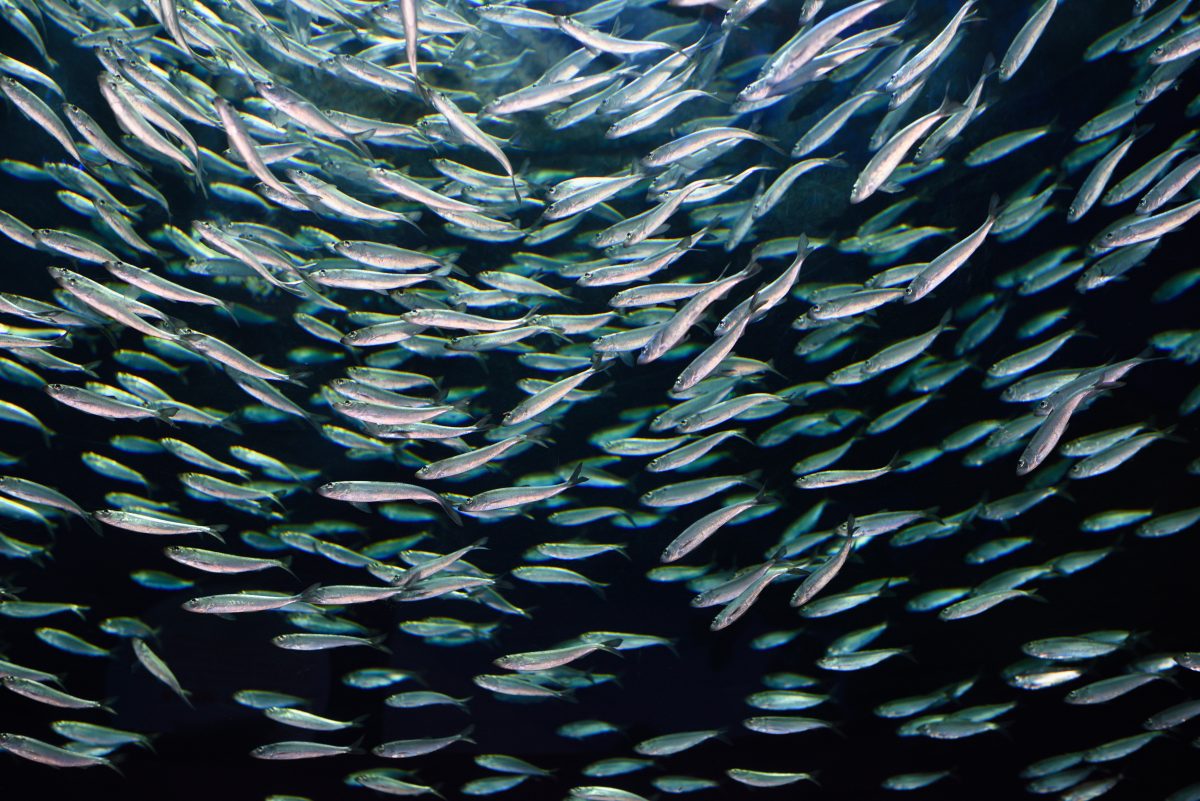
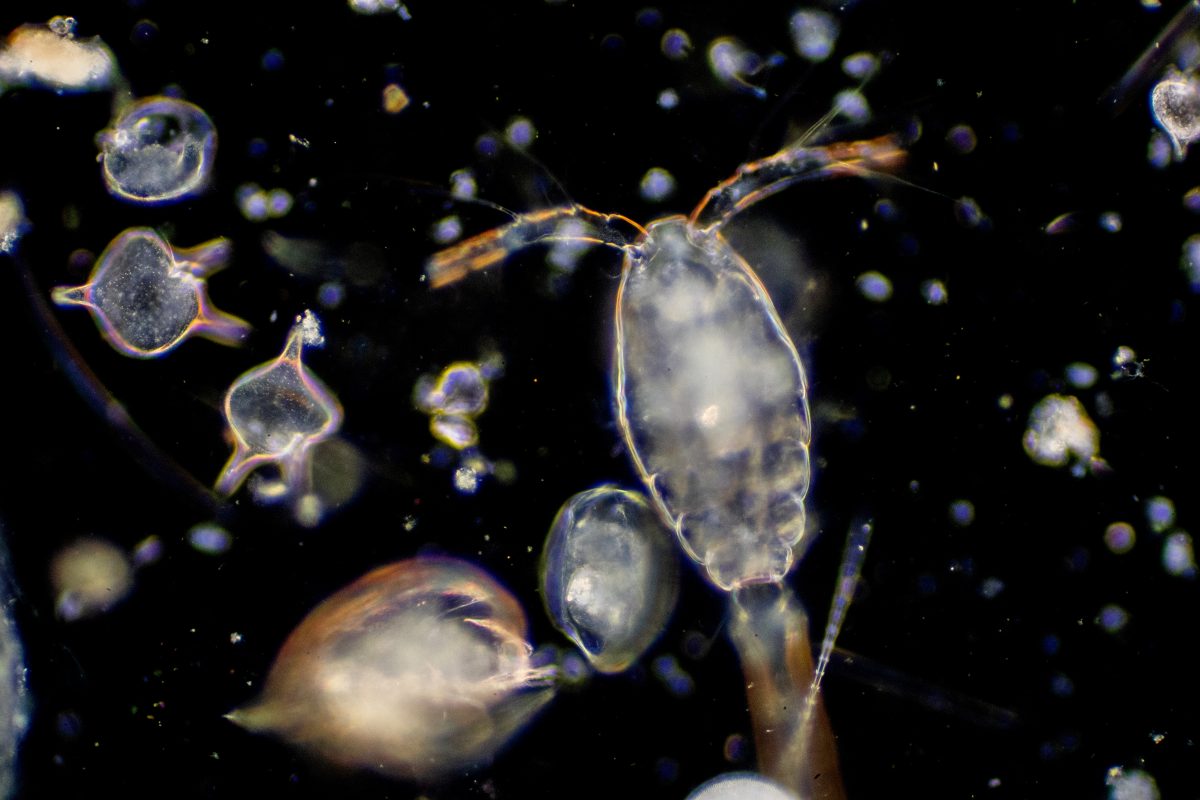
Casco Bay’s marine community comprises dozens of species that interact in varied and complex ways. The organisms in this community range from algae, small crustaceans, and juvenile shellfish that live as plankton in the water column, to recreationally and commercially important fish and shellfish species, to megafauna such as seals, whales, and sharks that frequent the Bay.
A diverse and resilient marine community helps maintain the ecological and economic health of Casco Bay, and changes or declines in key species can indicate trouble. By tracking species’ populations, growth rates, and seasonal changes, we can gain insight into the health of the Bay and understand how changing conditions might impact fisheries.
Species often live in different parts of the Bay at different points in their life. Nearshore environments offer high productivity and protection that makes them an important nursery habitat for juveniles of many species, including lobster, groundfish, and herring species. Once adults, these species often migrate offshore, joining the community of organisms that live in the deeper waters of the Bay. Monitoring both of these communities – nearshore and in deeper water – helps us understand the overall health of Casco Bay’s marine community.