Chapter 20. Stewardship

Volunteers Donate Several Thousand Hours to Stewardship of Casco Bay

Seven Organizations Report on Volunteer Metrics Across Thirty-Three Watershed Communities

At a Glance

Volunteers for the canvassed organizations donated 8,880 hours of their time, cumulatively worth an estimated $285,314 in 2024 and 9,578 hours, worth an estimated $307,741 in 2025.

Most volunteers are engaged in land stewardship activities and office work, followed by community science projects and special events/projects.

Most volunteers are repeatedly engaged (i.e. not just one-time volunteers) but most are not long-term volunteers.

Adults age 65 and older play an important role in environmental stewardship, contributing substantial time, knowledge, and commitment to these efforts.

Since the 2021 Report

Despite fewer organizations responding to the 2026 survey, the overall picture of volunteer stewardship has remained remarkably consistent. Organizations continue to rely heavily on older and repeat volunteers, while recruiting younger and long-term volunteers and finding sufficient staff capacity to support volunteer programs remain ongoing challenges.

Volunteers that support nonprofit and state environmental organizations play a vital role in protecting Casco Bay. Most volunteer efforts in the region focus on land stewardship activities—such as caring for conserved lands—and organizational support, with others contributing to community science initiatives, habitat restoration, and special projects and events.

Together, these activities strengthen the health and resilience of local ecosystems and communities while fostering a deeper connection to the Bay. The number of volunteer hours contributed provides one measure of community engagement and commitment to the Bay’s protection and restoration.
How Volunteer Stewardship Efforts Were Measured

In early 2026, CBEP canvassed thirteen nonprofit and land stewardship organizations working in Casco Bay and its watershed and received responses from seven. While these organizations represent many of the region’s key conservation and stewardship partners, the results do not capture all volunteer activities occurring across the watershed. Together, the responding organizations engaged volunteers in thirty-three watershed communities, demonstrating the broad reach of environmental stewardship throughout the region.

**Need graphics of volunteer hours

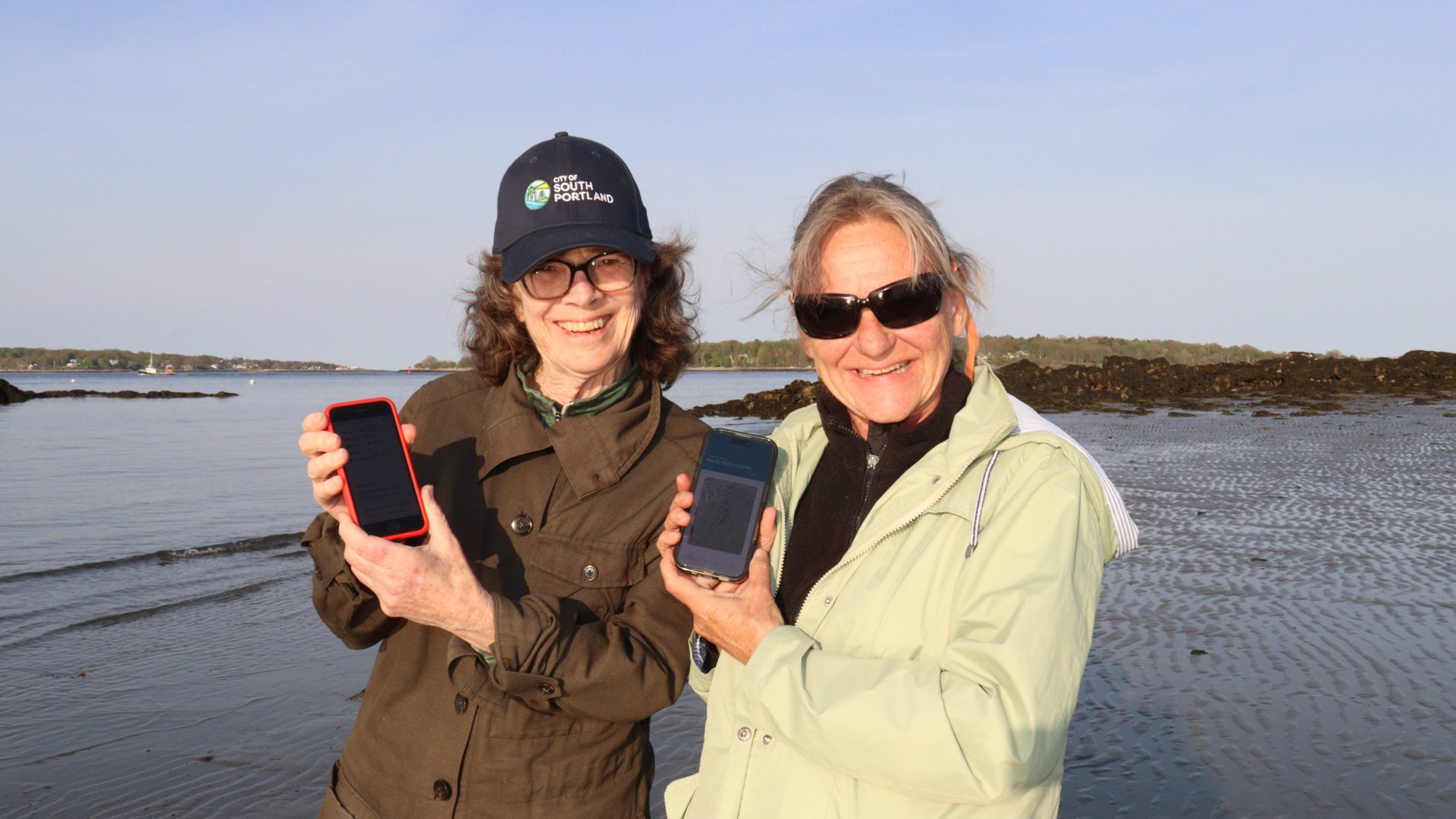
Ch. 20 1. Water Reporter Season Kickoff_Willard Beach_5.18.2026_cr Meghan Vigeant for FOCB
Water Reporter Season Kickoff at Willard Beach. Photo: Meghan Vigeant for FOCB

Community Science in Action: Highlighting Friends of Casco Bay's Water Reporter Program

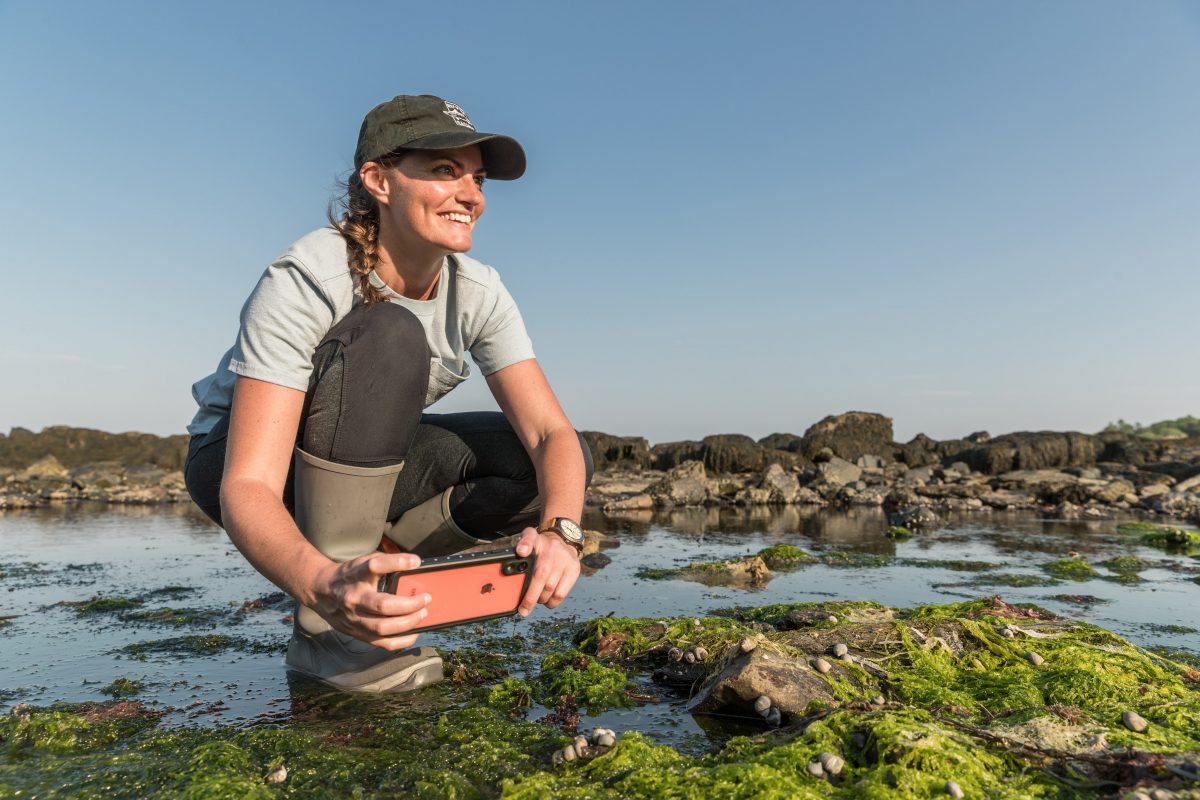
Water Reporter Sam Bengs documents an algal bloom in Cape Elizabeth. Photo: Kevin Morris for Friends of Casco Bay

Through the Water Reporter program, Friends of Casco Bay empowers community members to serve as the Bay’s eyes on the water. Using a smartphone app, volunteers document environmental conditions and changes along the coast, helping track issues such as algal blooms, eelgrass health, pollution, and the impacts of sea level rise.

From 2020–2025, more than 450 volunteers contributed observations from at least 13 watershed communities. These first-hand reports provide valuable information for scientists, resource managers, and policymakers, demonstrating how community science can strengthen our understanding of Casco Bay and support informed action to protect its future.

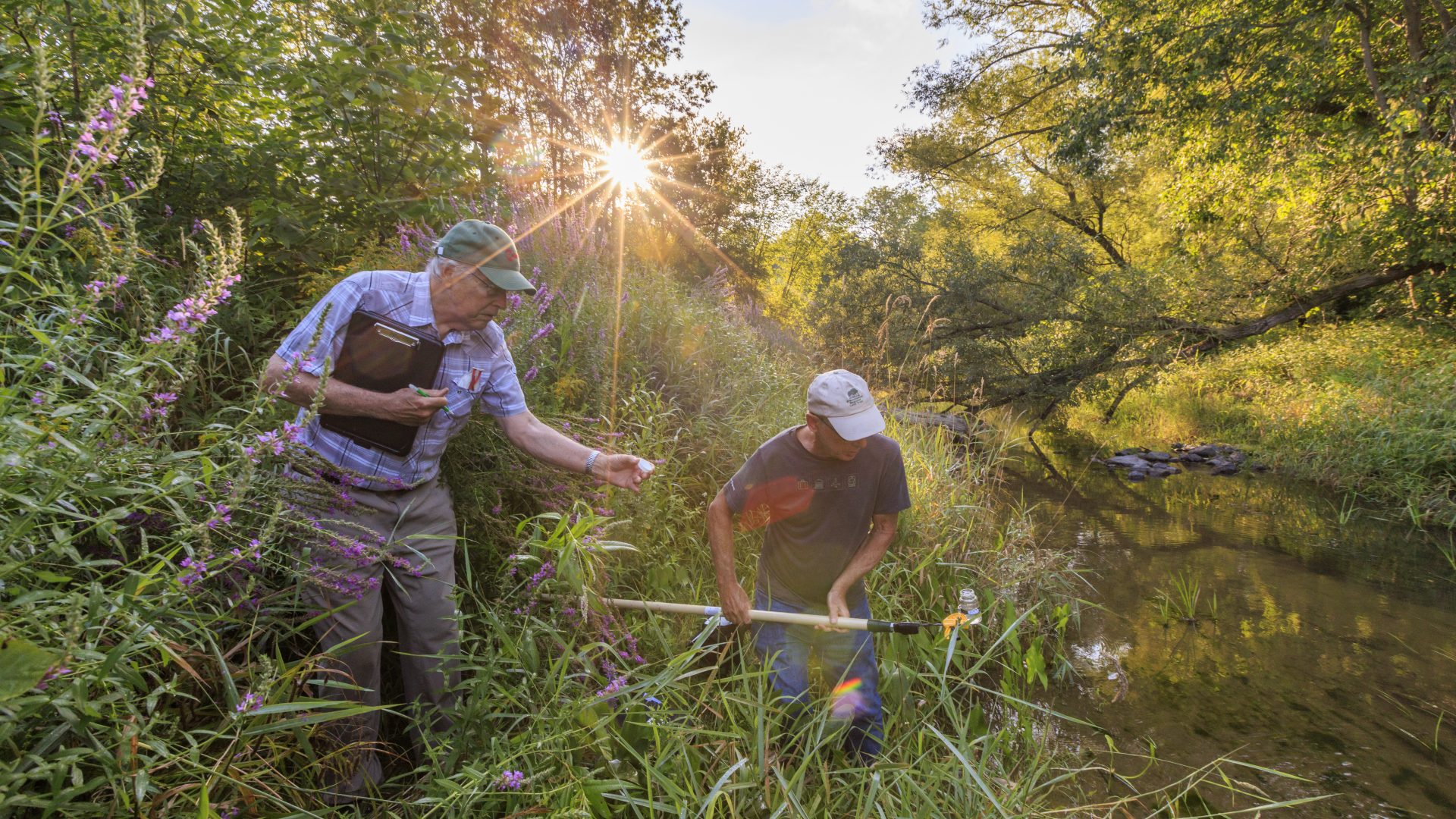
Volunteer water quality monitors sampling the Presumpscot River in Portland, Maine.
Volunteer water quality monitors sampling the Presumpscot River in Portland, Maine. Tom Sharpless (left) and Joe McNeill. (Photo by Jerry Monkman)

Retaining and Recruiting Volunteers Remains a Challenge

Many existing volunteers are retirees, and limited staff capacity makes it difficult to offer opportunities outside traditional work hours. This makes it challenging to recruit younger volunteers, as well as those who are looking to engage in the long term.

Staff time and organizational capacity are also ongoing constraints, affecting volunteer coordination, engagement, and scheduling. Organizations expressed interest in sharing successful recruitment and engagement strategies with peers to strengthen volunteer programs across the watershed.

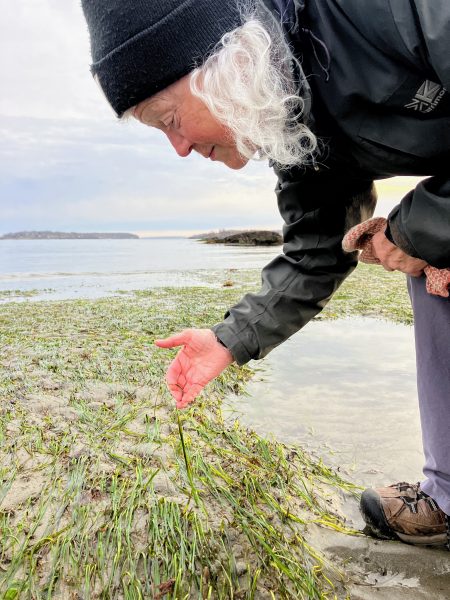
Susan Woodman at Willard Beach. Photo: Meghan Vigeant for FOCB

Water Reporter Susan Woodman checks on the eelgrass meadows during very low tides at Willard Beach. (Photo by Meghan Vigeant for Friends of Casco Bay.)

Other Ways to Get Involved in Volunteer Stewardship

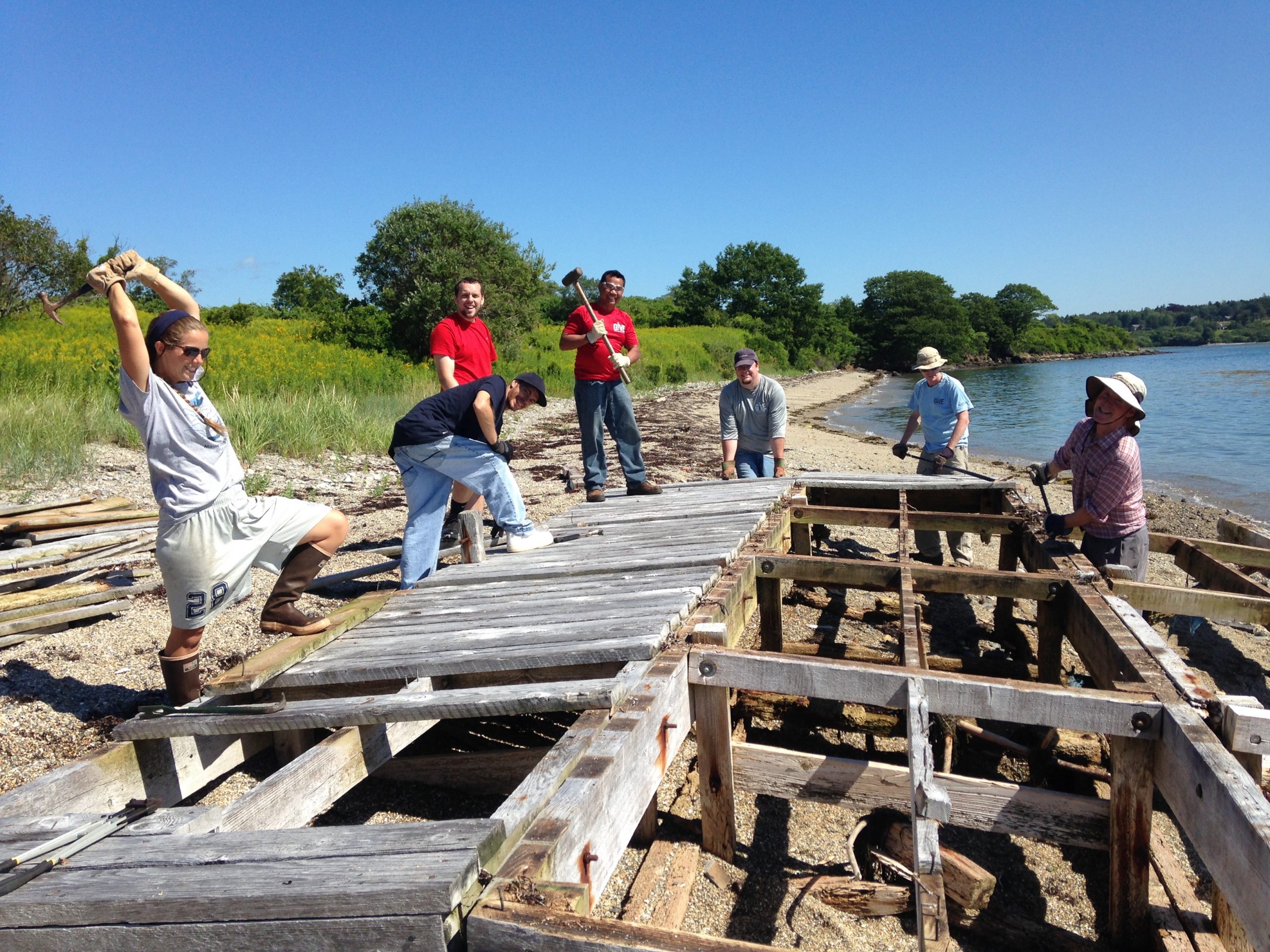
Volunteers help Maine Island Trail Association dismantle a derelict float on Little Chebeague Island. Photo: Chris Wall

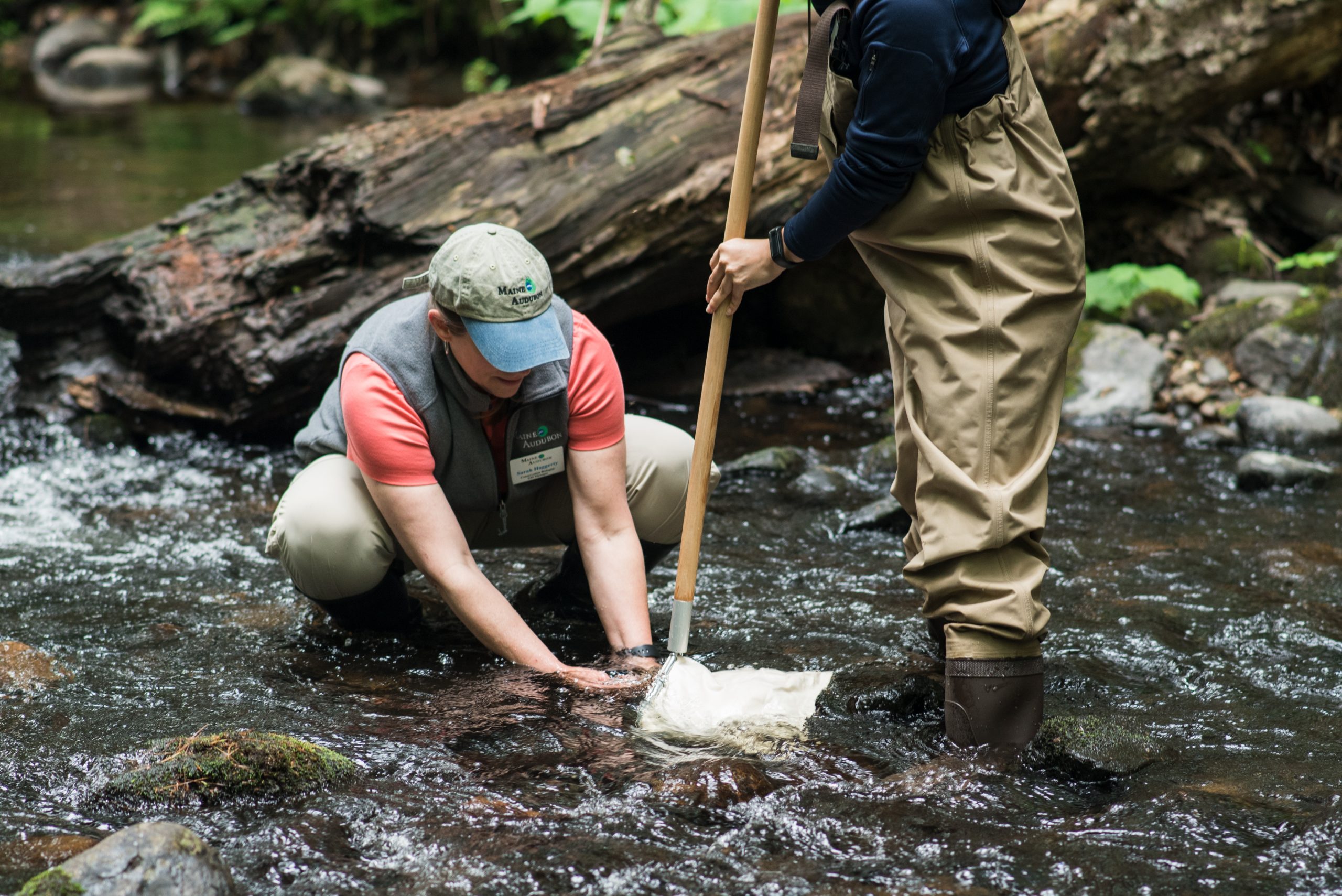
Photo from Madeline Rheaume and Maine Audubon

Community volunteers contribute to stewardship in many ways, including caring for conserved lands, helping with habitat restoration, participating in community science, and supporting special projects and events. Opportunities to work outdoors and care for conserved lands are one particularly common form of volunteer stewardship.

Several organizations offer programs that engage community volunteers in this kind of hands-on stewardship. Here are a few organizations and projects to check out if you’re considering getting involved:

  • The Maine Volunteer River Monitoring Program (VRMP) enables local, volunteer-led groups to conduct water quality monitoring of rivers and streams in Maine. The VRMP provides technical resources through equipment loans and training, a standardized monitoring approach to follow, and data archiving.
  • Lake Stewards of Maine (LSM) has a robust community science program. Volunteers collect vital, high-quality data about lake conditions to help protect Maine’s lakes. Volunteers measure water clarity, temperature, oxygen levels, and phosphorus, helping to track long-term changes in lake health.
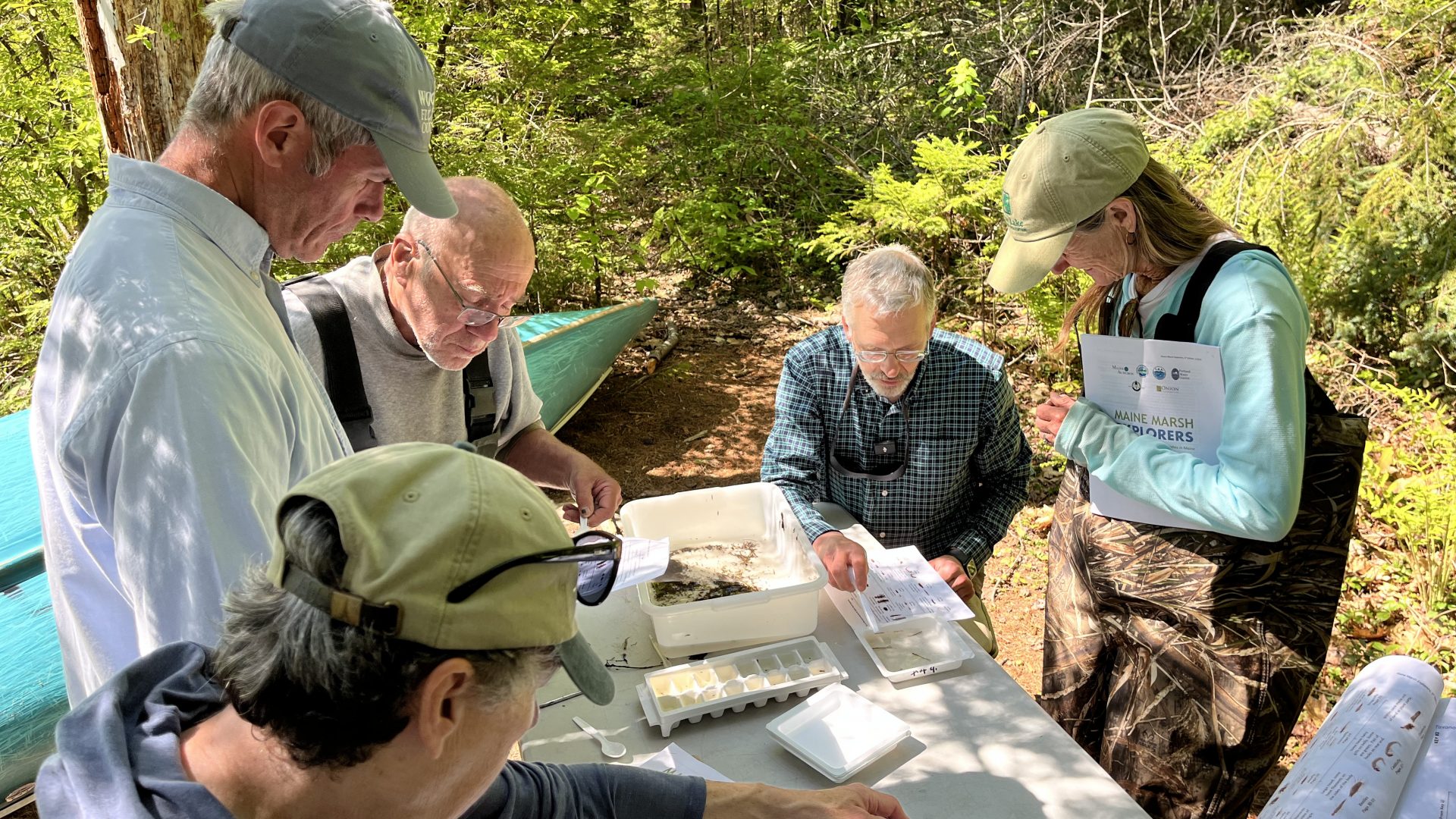
  • Maine Audubon’s Marsh and Stream Explorers is a community science project focused on macroinvertebrates (large aquatic insects) and what they can teach us about water quality. Marsh and Stream Explorers started in 2020 as a partnership between Maine Audubon, Maine DEP, Lakes Environmental Association (LEA), and the Portland Water District to recruit, train, and support community scientists interested in surveying streams in the Sebago Lake Watershed, which had vital gaps in data and provides water for more than 200,000 Mainers.
Credit to Maine Audubon
Stream Explorers workshop at Holt Pond in Bridgton, led by Tom Danielson, Maine DEP, and Phil Keefe, Maine Audubon Marsh and Stream Explorers Stream Explorers workshop at Holt Pond in Bridgton, led by Tom Danielson, Maine DEP, and Phil Keefe, Maine Audubon Marsh and Stream Explorers

Looking ahead to 2030

The next report will track whether stewardship organizations are succeeding in broadening their volunteer base, particularly by engaging younger and longer-term volunteers. CBEP will also look at how volunteer participation and organizational capacity are changing over time, including the number of hours contributed and the types of activities volunteers support.