New Back Cove South Storage Facility is Predicted to Cut Combined Sewer Overflow (CSO) Discharge in Half
At a Glance
Portland, South Portland, Westbrook, and Cape Elizabeth have active, permitted, CSOs.
Portland has the most permitted CSO outfalls in the region, with 24 permitted as of the end of 2024, down from 43 in the mid-1990s.
All but one of Portland’s remaining CSO sites has either decreasing or stable discharges.
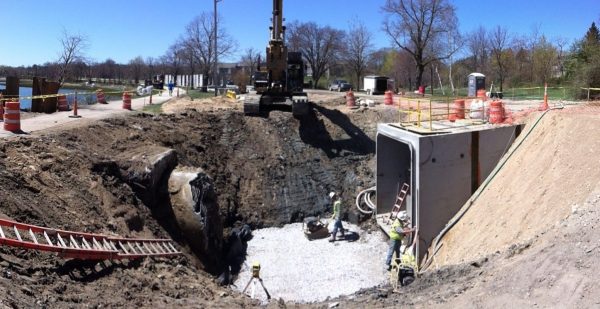
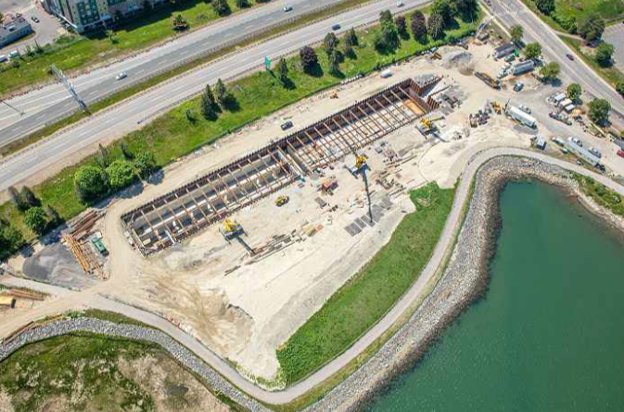
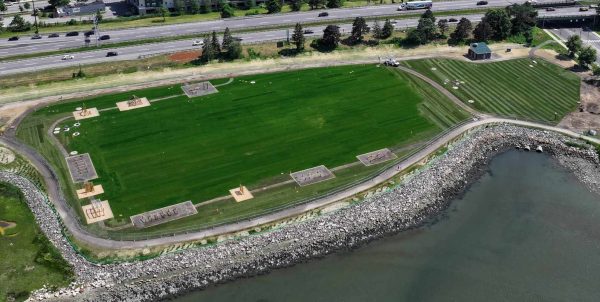
A new storage facility in Portland’s Back Cove will substantially reduce CSO discharges.
Since the 2021 Report
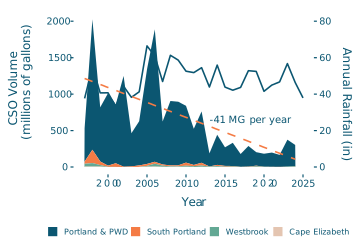
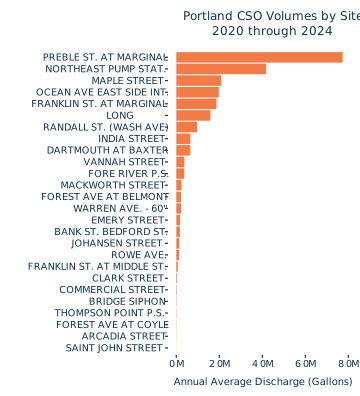
CSO discharge volumes at some of Portland’s most significant CSO outfalls have dropped sharply as a result of the construction of the new Back Cove Storage South Facility. In the 5 years prior to 2020, the three CSO outfalls with the greatest discharge volumes were at Preble Street, Franklin Street, and Mackworth Street on the edges of Back Cove. The outfall at Mackworth Street was closed in 2022 and flows from Preble Street and Franklin Street are now being captured by the Back Cove South Facility, greatly reducing CSO output to the waters around Portland. The highest remaining discharges are now at the Maple Street and Northeast Pump Station outfalls. Discharges have also continued to decline in South Portland and Westbrook.
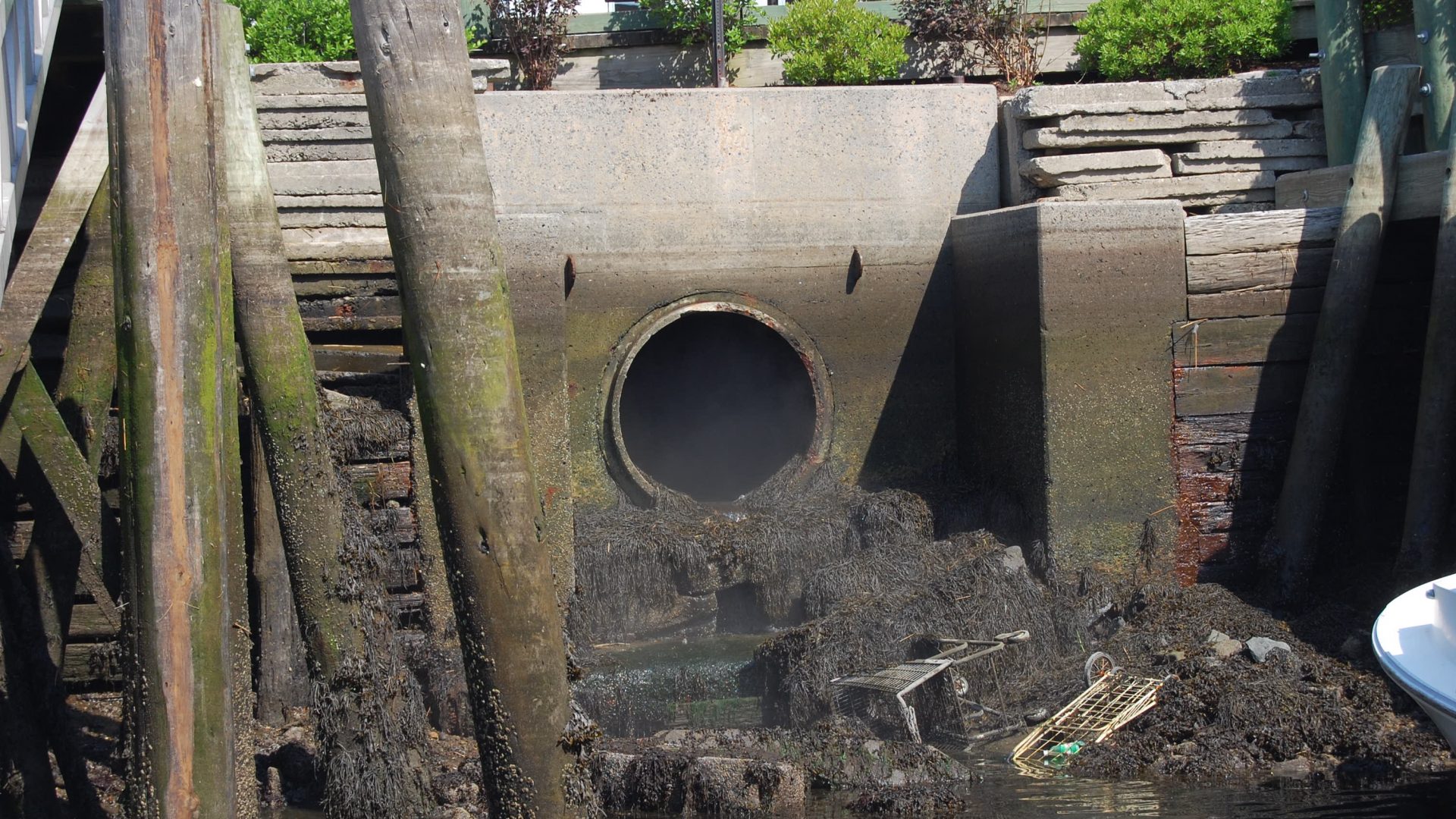
Combined Sewer Overflows, or ‘CSOs’, occur during and after large rain events when large volumes of stormwater enter the combined sewer systems and cause discharge of a mixture of stormwater and untreated sanitary waste to nearby waters.
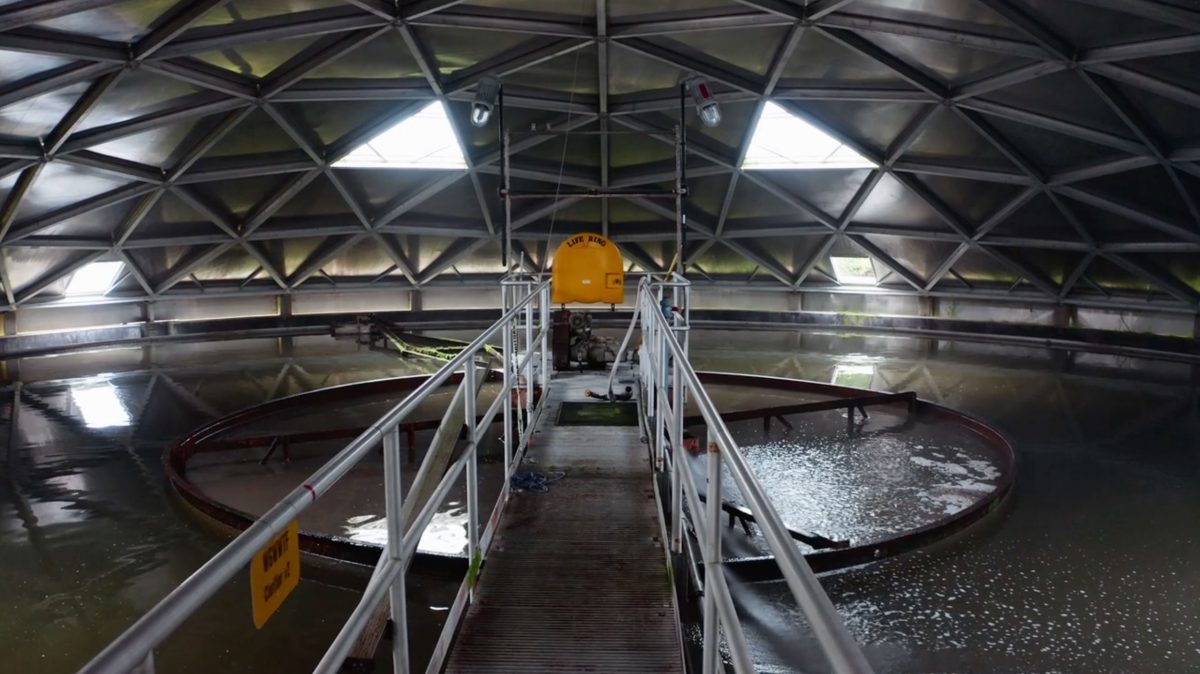
More than half a century ago stormwater and sewage were collected in the same pipes and would discharge directly into Casco Bay or its rivers. The construction of modern wastewater treatment facilities and the separation of combined sewers have reduced CSO discharges, but switching from combined sewer infrastructure to separate wastewater and stormwater collection systems is difficult and expensive. With large storm events, combined sewers can still take on enough stormwater to overflow and discharge at certain outfalls. Snowmelt and frozen ground also contribute to high discharges during winter and early spring storms. Sewer separation redesign and underground holding tanks are two strategies that have been deployed by towns in the Casco Bay watershed to decrease and in some cases eliminate these discharge events.
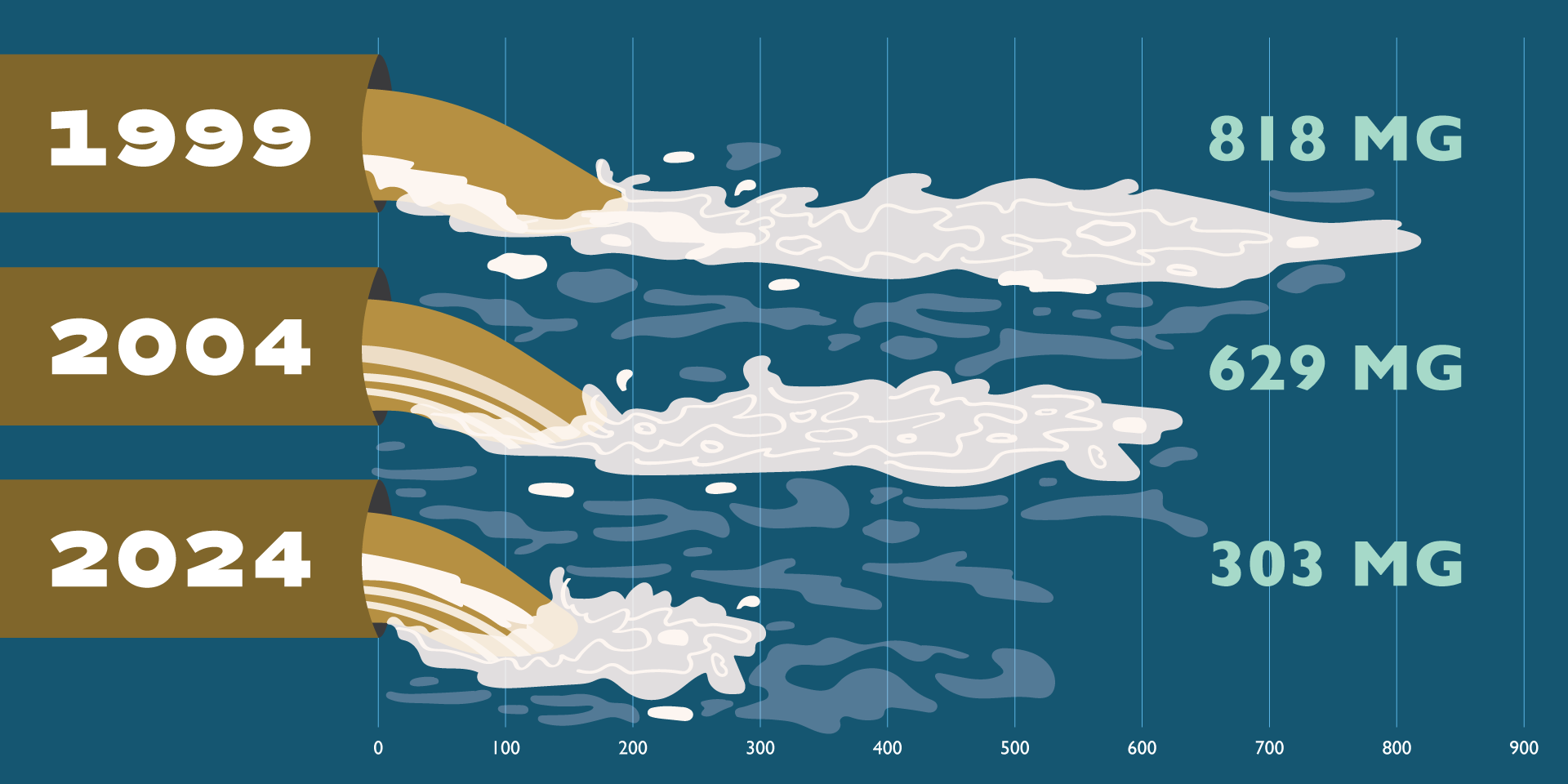
Figure 1. The number of millions of gallons discharged from CSO outfalls from 1999 to 2024.