Chapter 5. Lakes

Lakes Have High, But Variable, Water Quality

Higher-Frequency Data Collection Needed for a More Accurate Picture

At a Glance

Water quality in Sebago Lake, which provides drinking water for residents of Portland and surrounding municipalities, remains excellent.

Lake water quality is generally good, but there is high interannual variability in response to weather.

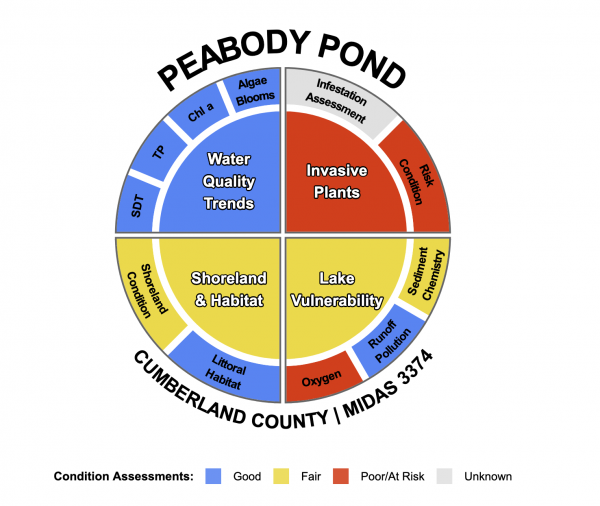
Maine DEP has begun producing “Lake Scorecards” to communicate the condition and vulnerability of monitored lakes and ponds.

Since the 2021 Report

Volunteer monitoring continues to be a large source of data on lake water quality and is an important supplement to data collected by municipalities, the state, and other professionals. Thanks to both volunteer and professional sampling efforts, more lakes have accumulated enough phosphorus data to analyze long-term trends in phosphorus concentrations.

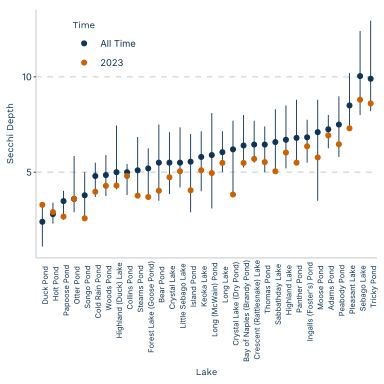
Recent years have reinforced the importance of variation in external forces driving lake water quality, which can influence the detection of trends. Of the 32 lakes in the Casco Bay watershed with long-term records that were sampled in 2023, seven of them experienced their lowest ever annual median Secchi depths (a measure of water clarity, and a key water quality measure) that year. This most likely reflects high precipitation in the summer of 2023 and does not necessarily indicate a broader regional decline in lake water quality.

Lakes are an important source of habitat and recreation in the Casco Bay watershed. Poor water quality in inland waters can degrade aquatic habitat, threatening the health of the aquatic organisms that live in or travel through the waters. It also decreases the recreational value of the waters, impacting boaters, fishers, and tourism, and impacts surrounding property values. The clean waters of Sebago Lake, for example, are highly valued for both recreation and for the drinking water they provide for over 200,000 people in the greater Portland area.

There are 203 lakes in the Casco Bay watershed, and 33 of these lakes have at least 10 years of data from routine monitoring, which is continuing and expanding to include more lakes.
Ch. 5 CBEP Sebago Community Forest
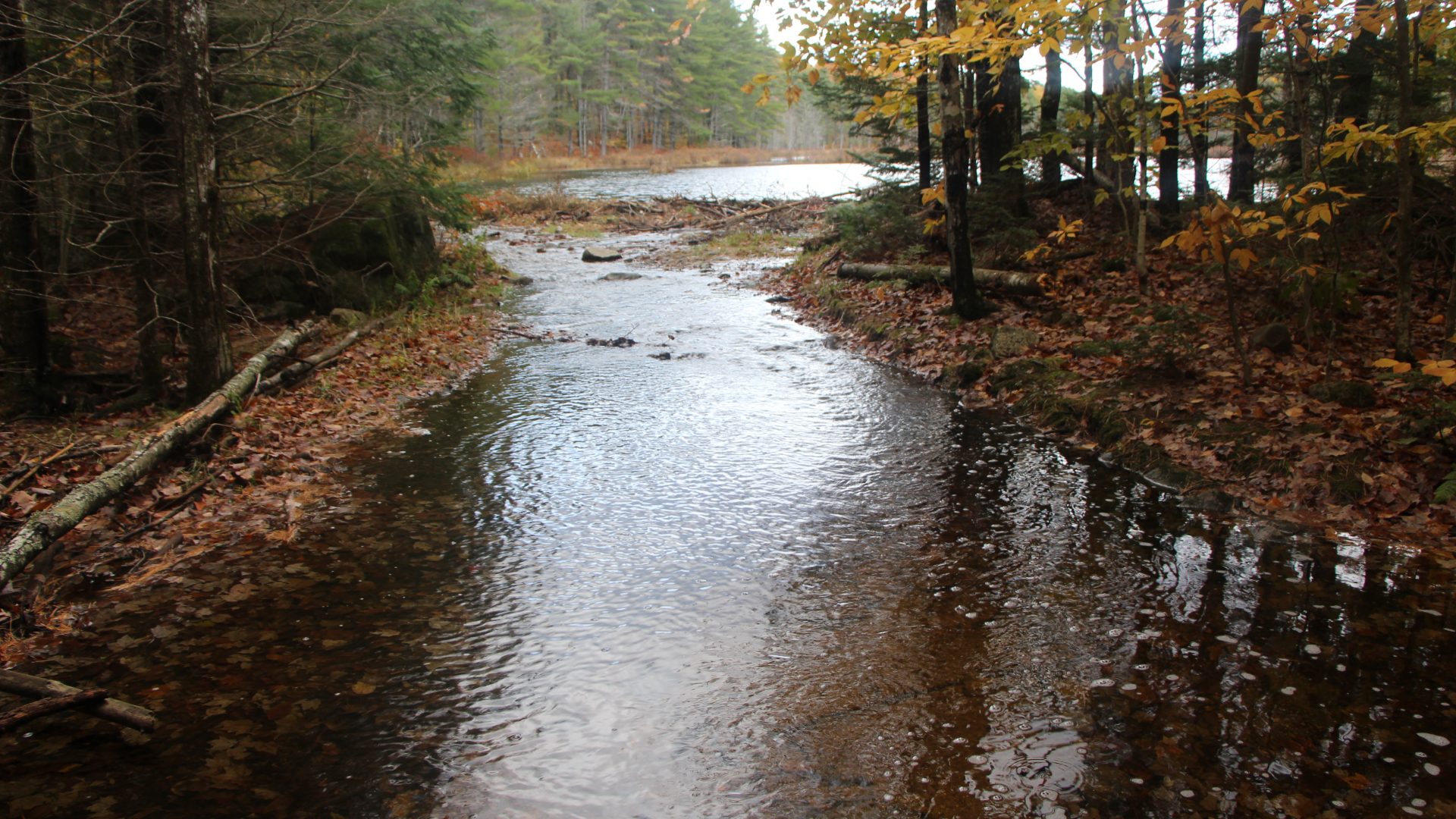
Sebago Community Forest (Image: CBEP)

Secchi Depths: Measuring Water Clarity

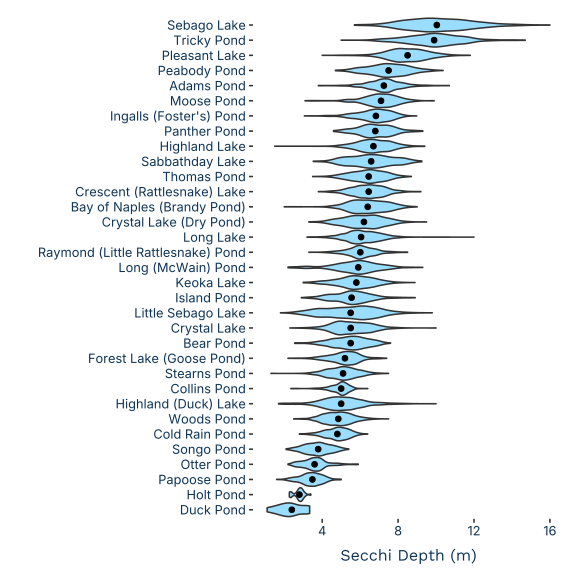
Secchi depth is a reliable and accessible way to measure water clarity by lowering a black and white plate-sized disk into the water and recording the depth at which it is no longer visible. Of the 33 lakes for which long-term data exists, most of them have relatively clear water, as shown by high Secchi depths. These long-term records are used to analyze trends and monitor for declining water quality, which has been reported on in previous State of Casco Bay reports. Recent years have highlighted the interannual variability in lake conditions and the impact this can have on long-term trends however.

On an annual basis, water quality in lakes is strongly affected by rainfall, temperature, and winter ice cover among other factors however. High precipitation in the summer of 2023 led to increased runoff and nutrient enrichment of lakes, resulting in significantly lower than normal Secchi depths. Seven lakes had 2023 median Secchi depths that were the lowest ever recorded. This is likely a result of annual variability and does not indicate a broader regional decline.

Figure 1. Secchi depth median values and the frequency of observations from the entire monitoring history of each lake with long term data.

Figure 2. Median Secchi depths from 2023 compared to the all-time median and range for each lake with long term data.

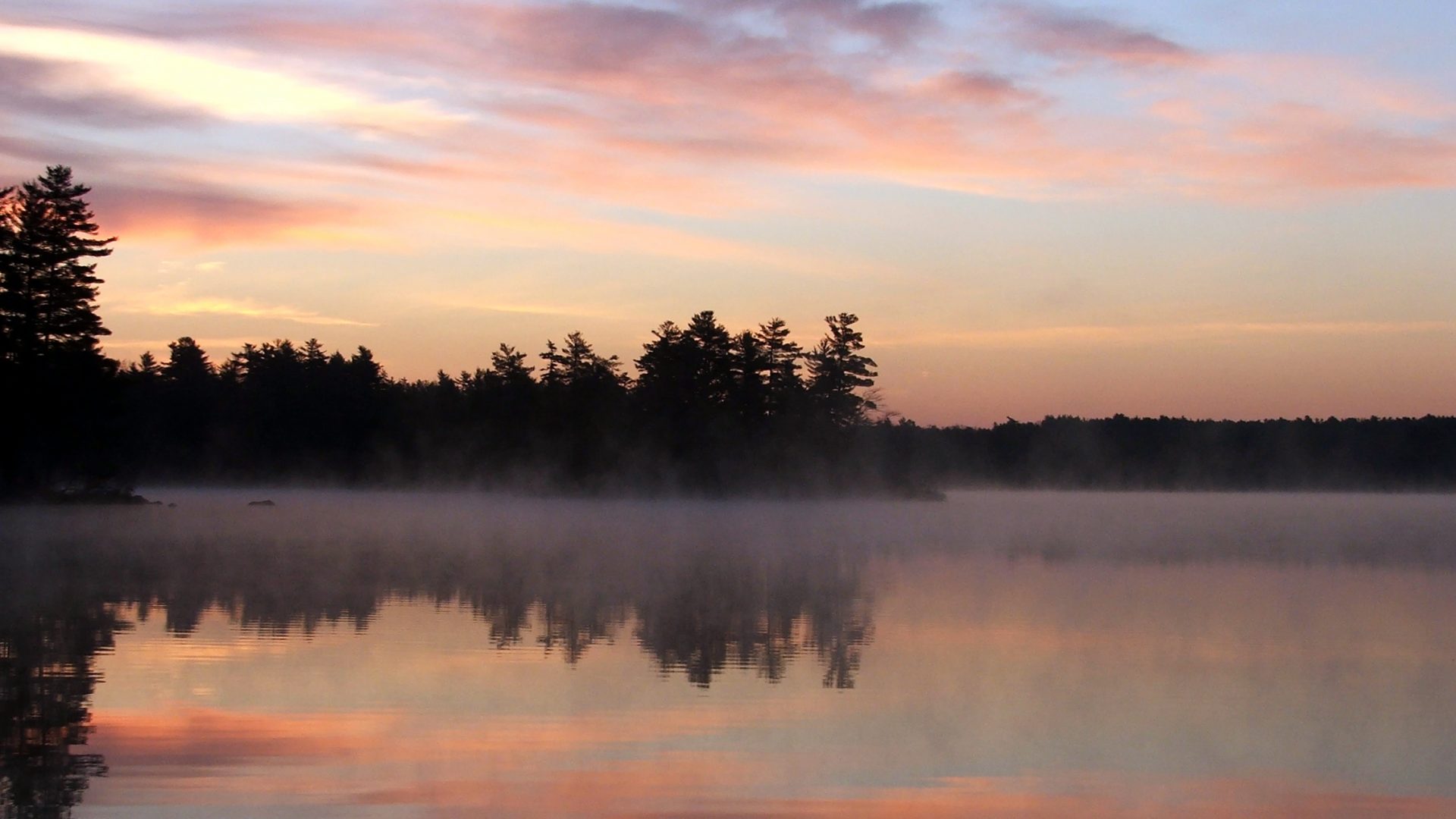
Trickeypondsunrise
Trickey Pond, Naples (Image: tonystreet.deviantart.com)

Phosphorus in Lakes

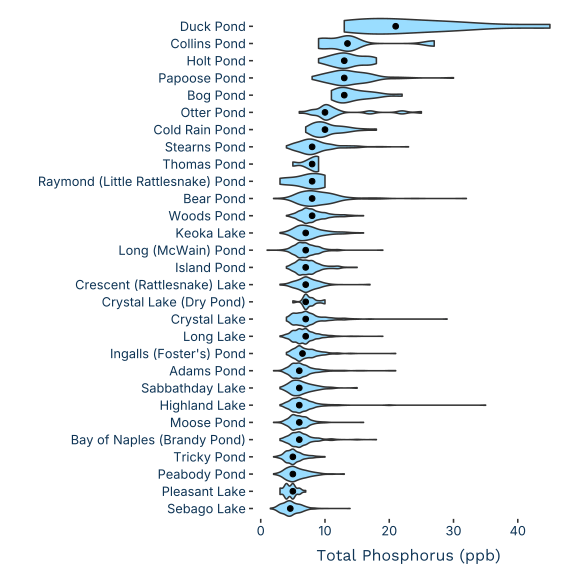
Figure 3. Phosphorus concentration median values and the frequency of observations from the entire monitoring history of each lake with long term data.

Phosphorus is a limiting nutrient in lakes and increases in phosphorus can lead to harmful algal blooms. Sampling for total phosphorus is becoming increasingly common and 29 lakes in the watershed now have enough phosphorus data for analysis of long-term trends. Phosphorus levels in nearly all lakes in the Casco Bay Watershed appear stable, or at least show no solid evidence of either increasing or decreasing trends. The only exceptions are signs of increasing phosphorus concentrations in Island Pond and decreasing phosphorus concentrations in Keoka Lake and Sabbathday Lake.

Crescent_Lake,_Raymond,_Maine
Crescent Lake, Raymond

New Lakes of Maine Score Card Introduced

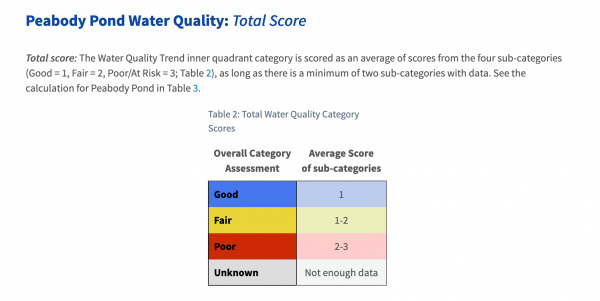
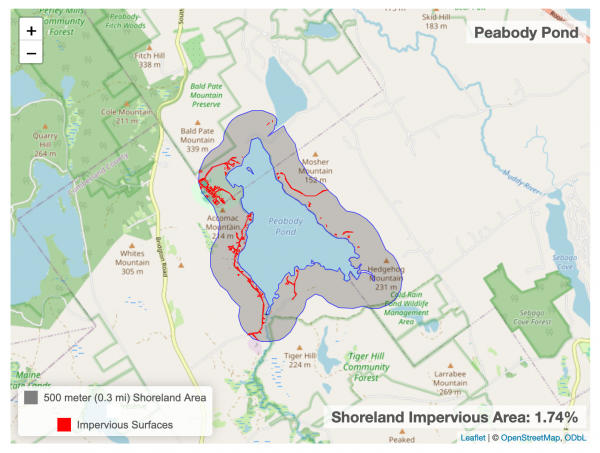
The Maine Department of Environmental Protection (DEP) has developed a new way to report on water quality of monitored lakes on an annual basis. They are now sharing scorecards for each lake through the Lakes of Maine website. These scorecards rely on data collected by DEP, lake organizations, and volunteers, and evaluate the condition of a lake based on water quality trends, invasive plants, shoreland and habitat, and lake vulnerability. Conditions in each category are reported as good, fair, poor/at risk, or unknown on the basis of available data for key indicators (such as Secchi depth and total phosphorus for water quality trends, and likelihood of low dissolved oxygen for vulnerability).

Maine DEP intends to update these scorecards every winter to include data from the most recent monitoring season. These scorecards provide residents, organizations, and other interested parties access to lake data in a more approachable manner. Viewing the scorecards also highlights where data gaps exist that may offer opportunities for increased monitoring. For example, there are 94 lakes and ponds with surface areas of 10 acres or greater in the Casco Bay watershed, but only 60 of those have sufficient data for Maine DEP to produce scorecards, and only 17 have been officially surveyed for invasive species. Even fewer lakes have had their shoreline habitat assessed.

Looking Ahead to 2030

Monitoring of inland waters could be improved by higher frequency data collection. While existing monitoring provides a solid baseline, results can be heavily impacted by events like heatwaves or heavy precipitation. When data is collected once per year or with multiyear data gaps it is difficult to interpret the impacts of these events. High interannual variation in water quality, like the recent low water clarity in many lakes in the region, can mask long-term trends, yet from a policy perspective, it is often the trends – or lack of trends – that are most important to understand.

Continuous monitoring loggers are deployed in many lakes in the watershed, but current technology only allows continuous monitoring of parameters like temperature and dissolved oxygen. Secchi depth and phosphorus concentration, which are the most direct measures of the trophic state of a lake, can only be obtained through human monitoring and grab sample collection. Human lake monitors who collect samples and interpret conditions will continue to be vital to monitoring lake health.

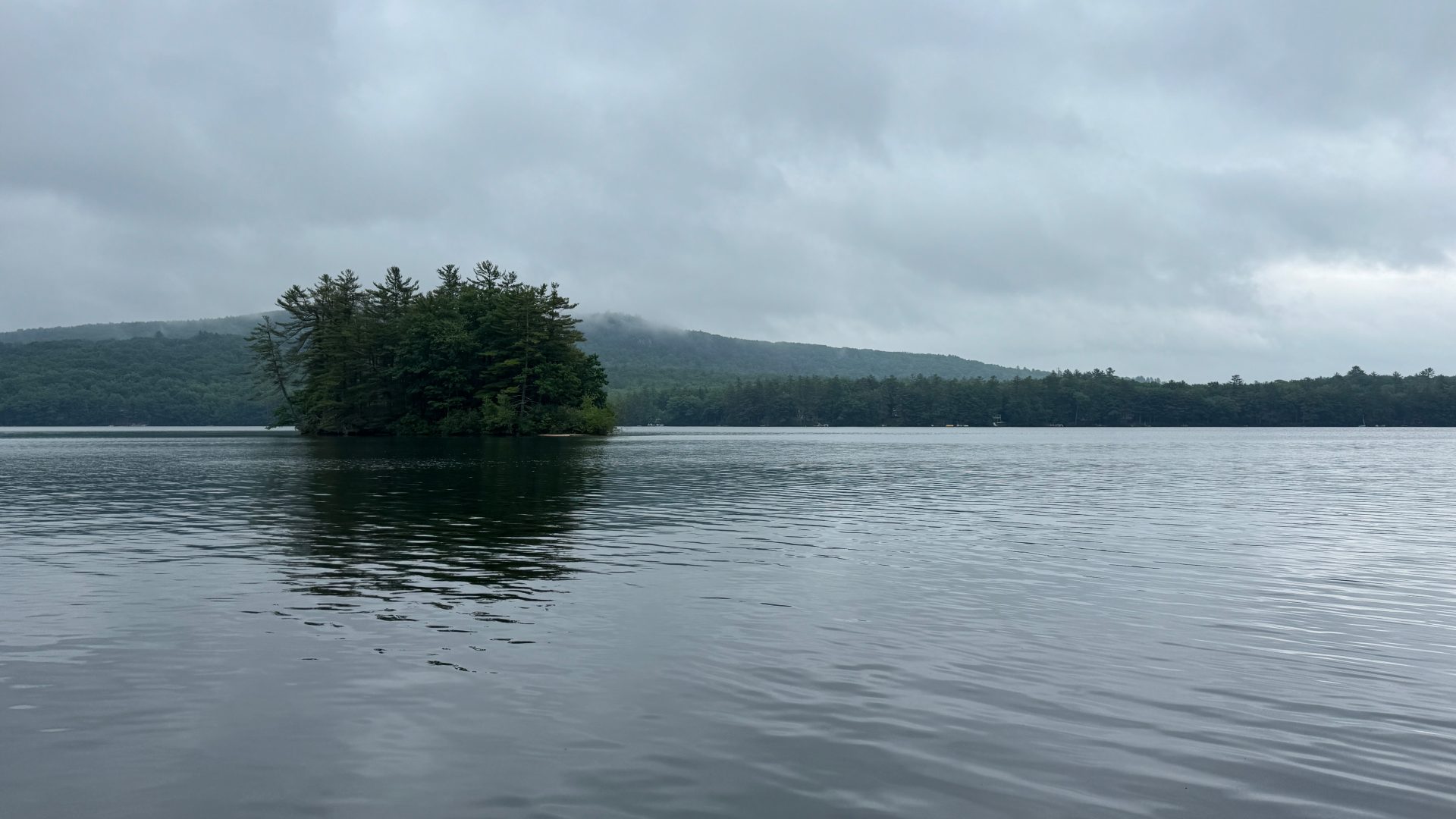
Ch. 5 Sebago Community Forest Credit Loon Echo Land Trust
Sebago Community Forest (Image: Loon Echo Land Trust)

Additional Information

https://www.lakes.me/valuing-lakes