Chapter 19. Environmental Education

Place-Based Learning Connects Thousands of Students to Casco Bay

Building Environmental Literacy and Stewardship in the Next Generation

At a Glance

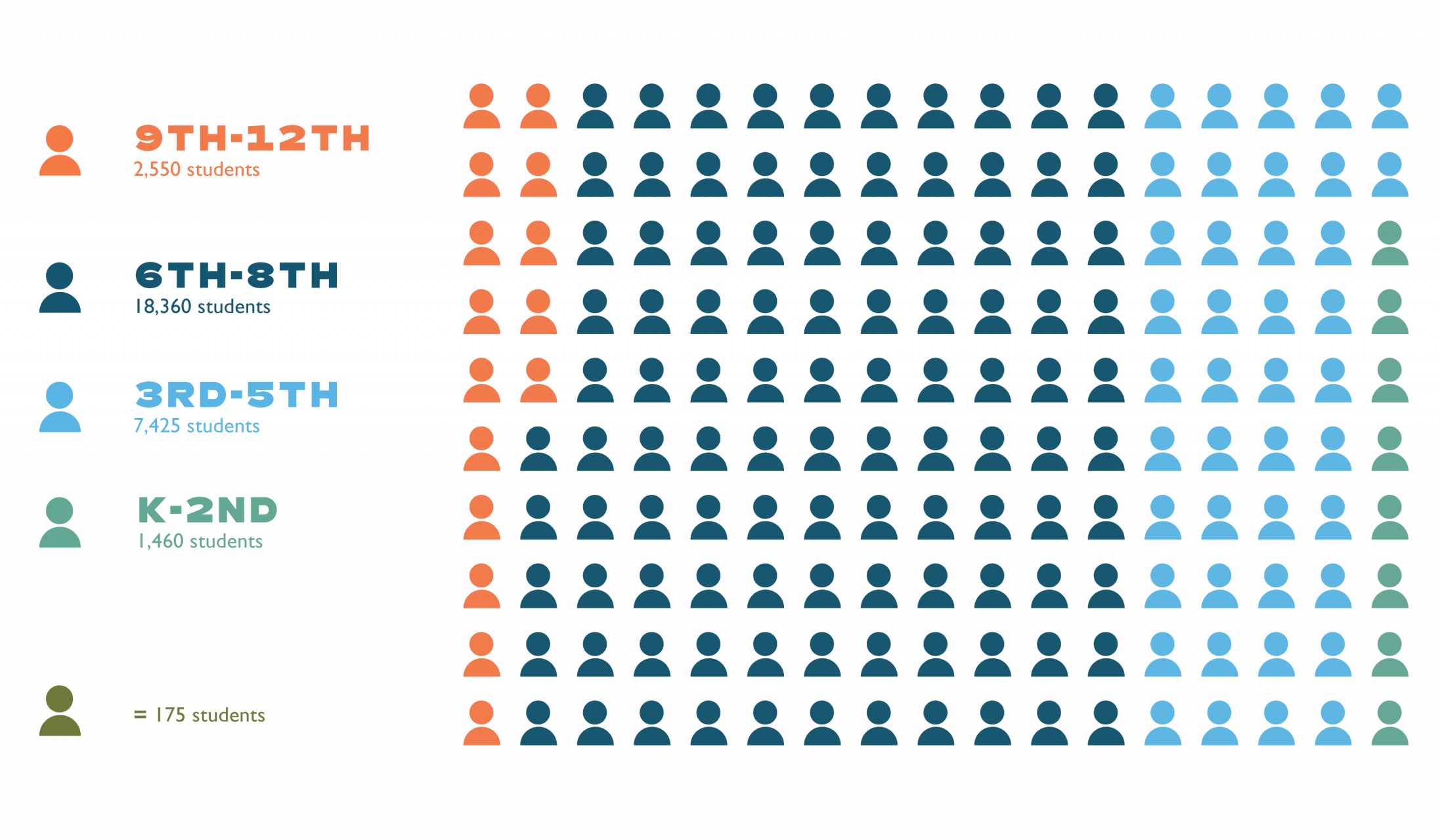
Thousands of K–12 students explore Casco Bay and its watershed each year as part of hands-on environmental education programs through long-standing partnerships among educators and community organizations.

Nonprofits, land trusts, schools, and public agencies provide classroom and field-based learning that connects students to local ecosystems and communities.

Cumberland County Soil & Water Conservation District and Gulf of Maine Research Institute provide the most comprehensive programs aligned with Next Generation Science Standards.

Demand for environmental education is high, but limited and inconsistent funding, transportation, scheduling, and staff capacity can constrain the reach of programs.

Since the 2021 Report

Environmental education programs continue to connect students across the watershed to Casco Bay through hands-on, place-based learning. Long-standing partnerships between schools and community organizations remain an important foundation for reaching students.

Each year, thousands of K–12 students explore Casco Bay and its watershed through hands-on environmental learning programs delivered by schools, nonprofits, and public agencies. Through classroom and field-based experiences, students build environmental literacy, strengthen critical thinking skills, and develop meaningful connections to local ecosystems and communities.

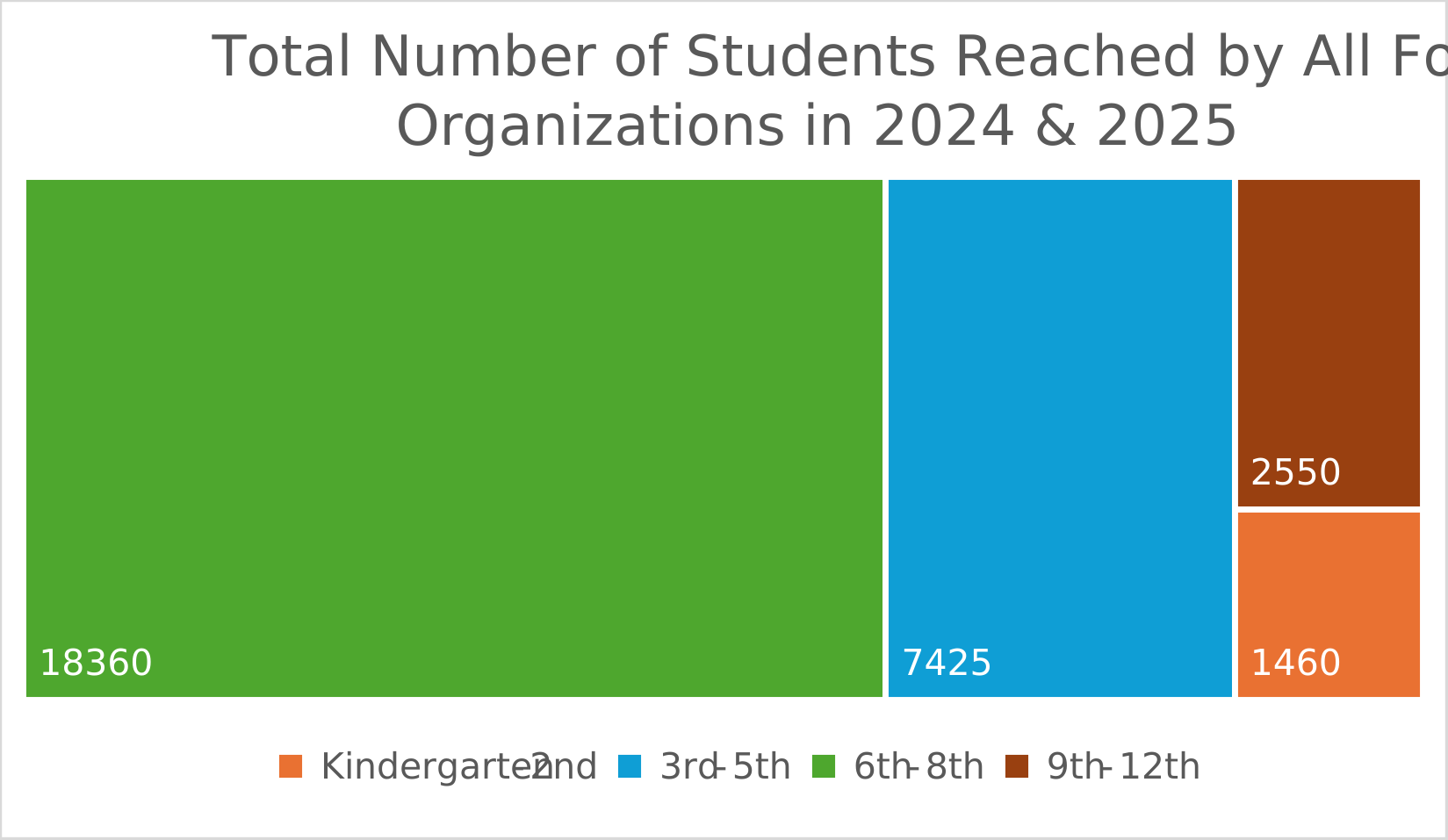
In 2026, CBEP surveyed 11 partner nonprofits and land trusts that provide K–12 environmental education and received responses from four organizations. While the results do not capture all programming in the watershed, they highlight several of the region’s largest and longest-running providers.

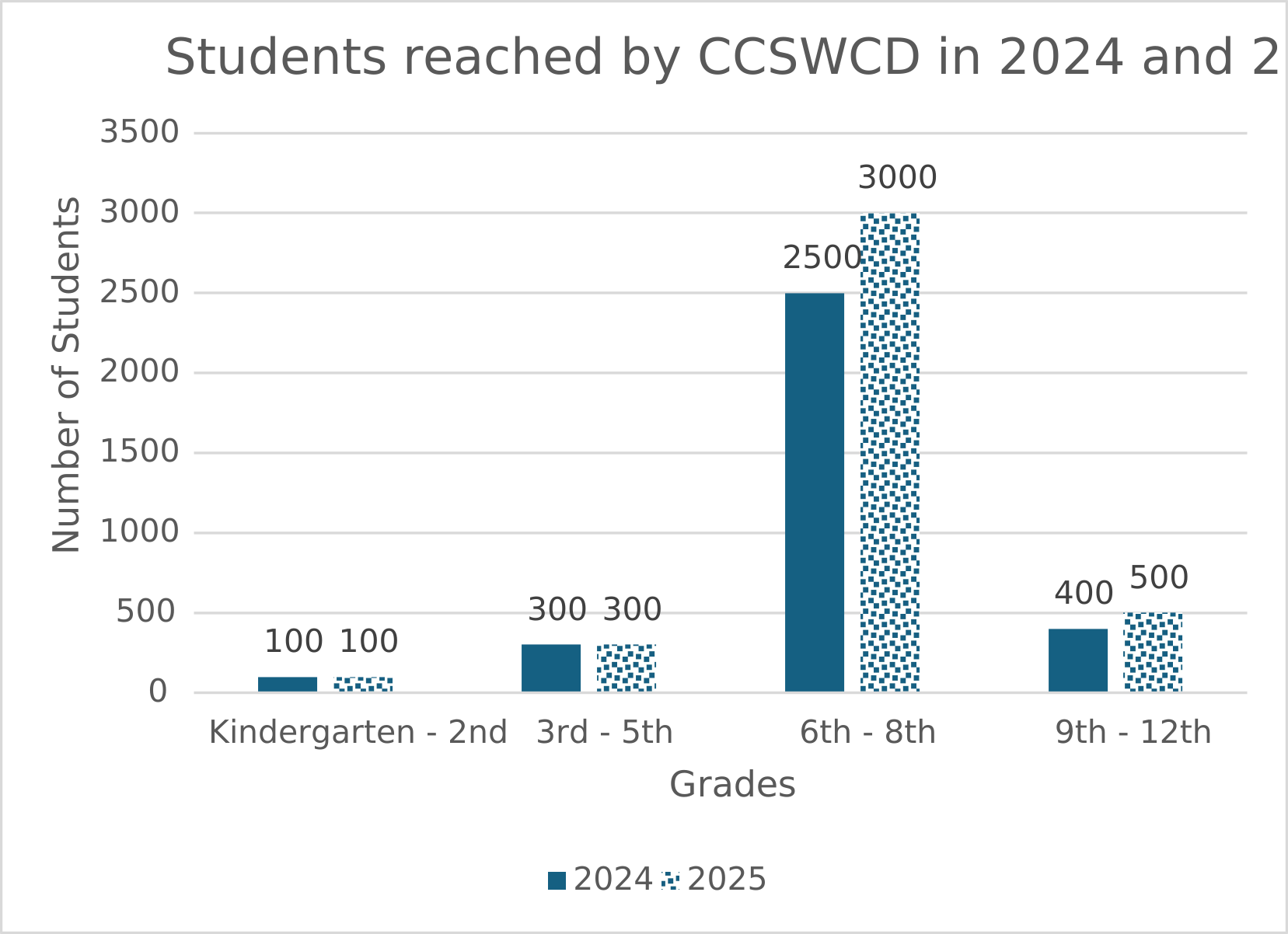
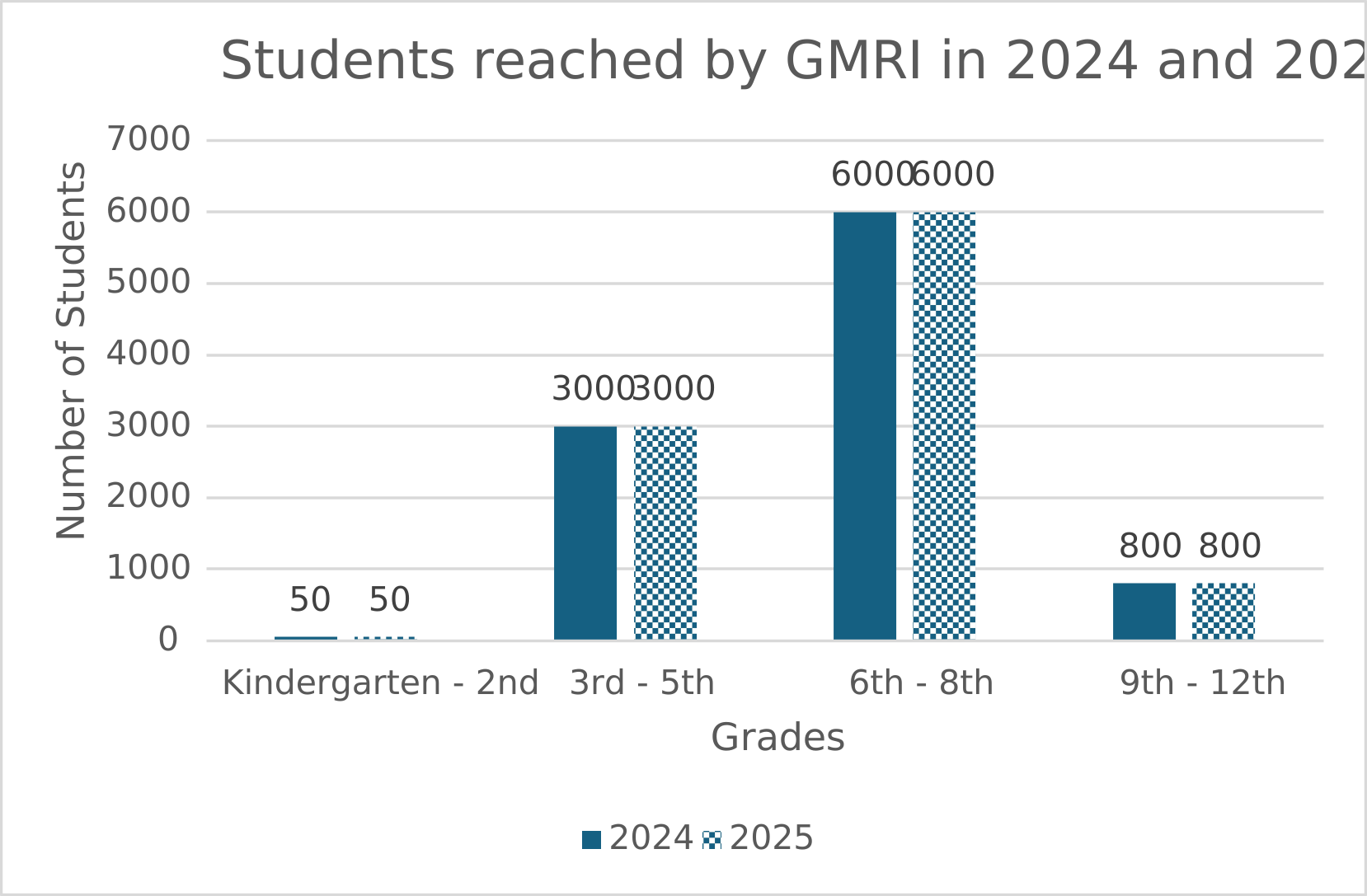
Cumberland County Soil & Water Conservation District (CCSWCD) serves students in 18 watershed communities, while GMRI serves 26. GMRI’s LabVenture program alone reaches nearly 70% of Maine’s fifth- and sixth-grade students each year.

By helping young people understand and care for the places where they live, these programs are building the next generation of informed citizens, scientists, and community leaders who will shape the future of Casco Bay.
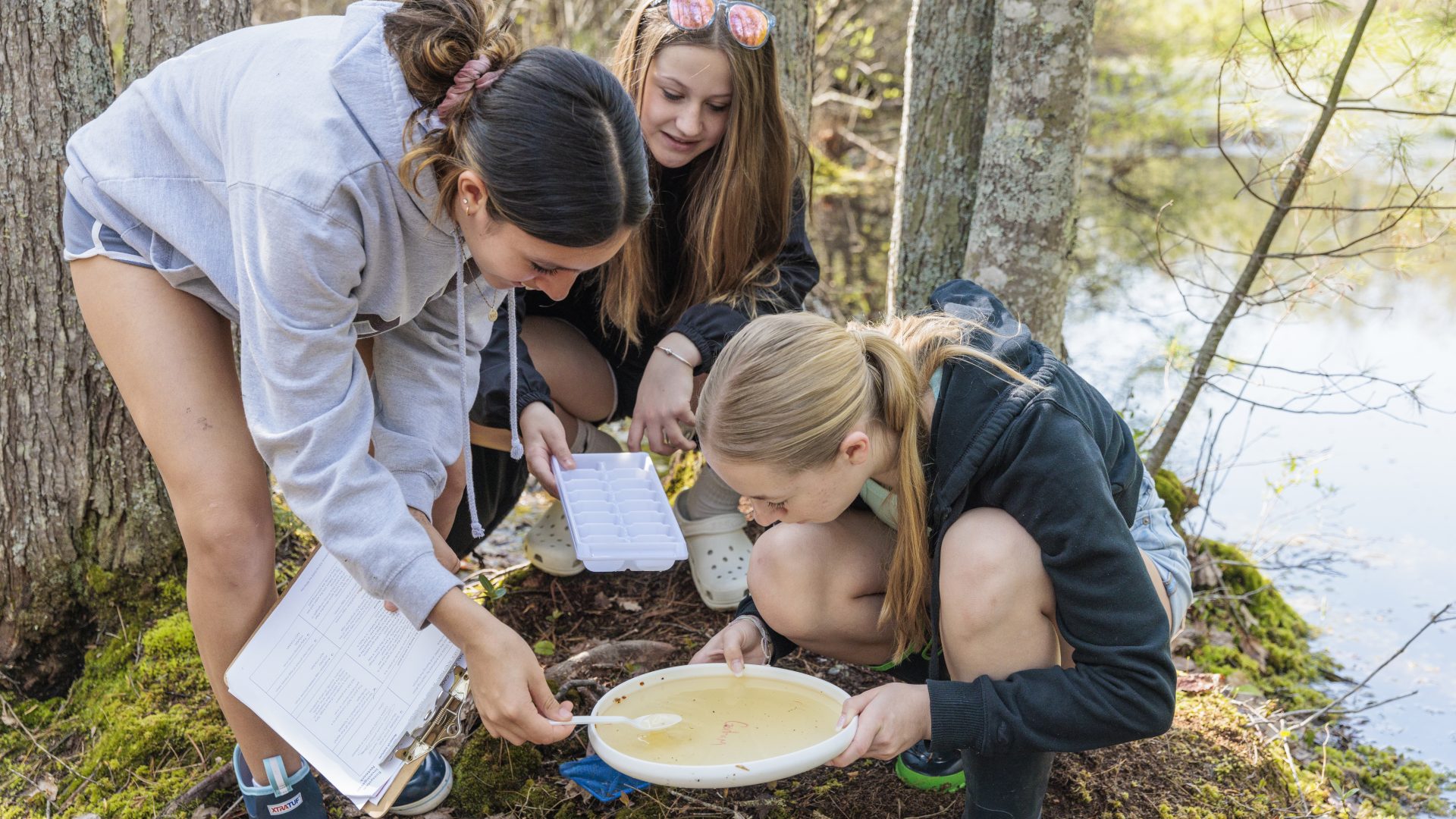
Gorham Middle School students sample a vernal pool for animal life.

Cumberland County Soil and Water Conservation District (CCSWCD) Offers STEM-Based Lessons

Cumberland County Soil & Water Conservation District (CCSWCD) serves 18 communities in the Casco Bay watershed. CCSWCD’s STEM-based lessons are driven by student-led investigations. Staff deliver these programs through classroom and field-based lessons, research projects, and place-based learning, as well as partnerships with after-school programs, summer camps, libraries, and other community organizations. Common lesson topics include water quality and pollutants, aquatic macroinvertebrates and brook trout, and the water cycle and watershed dynamics.

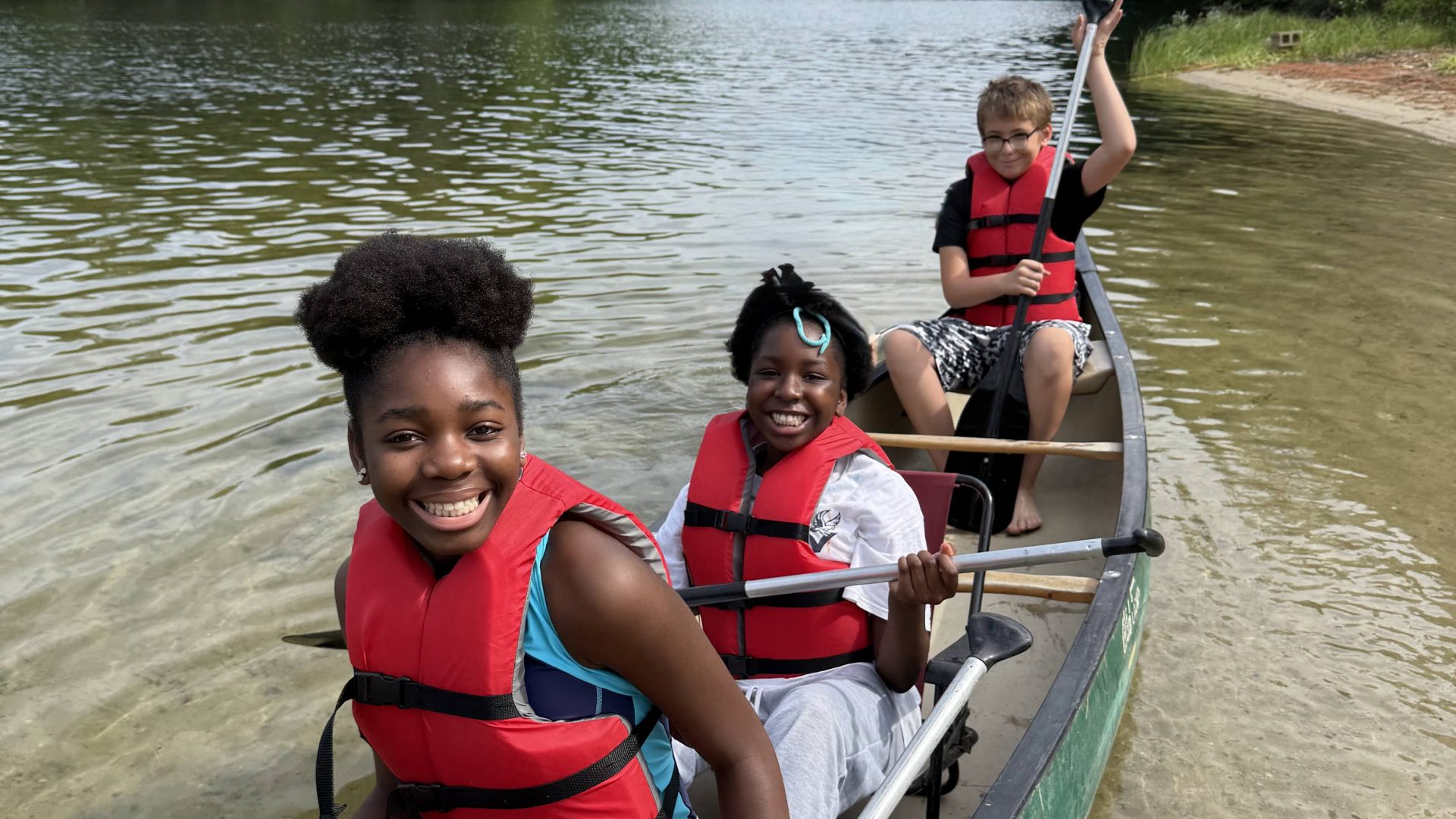
Ch. 19 Canoeing on the Presumpscot ICC Westbrook

Gulf of Maine Research Institute Lessons Reach 70% of Maine’s 5th and 6th Graders

GMRI serves 26 watershed communities. GMRI’s most impactful K-12 education programs are LabVenture and Findings from the Field. LabVenture is a hands-on, interactive, investigation of the Gulf of Maine ecosystem. Completely free for Maine schools, nearly 70% of Maine’s fifth and sixth grade cohort experience LabVenture annually. Findings from the Field gives middle school students the opportunity to engage in and communicate about authentic scientific inquiry. Student contributions to the journal undergo a process of peer and editorial board review before publication.

Environmental Education Faces Challenges in Meeting High Demand

Nonprofit education programs are highly valued by the schools and wider communities.

Casco Bay watershed organizations have many long-standing relationships with schools and the demand for programming is high. A key challenge is that organizations must juggle multiple funding sources and are unable to meet regional demand for educational services due to limited, inconsistent funding.

Transportation and scheduling can be challenging when working with schools, as buses may be limited and class schedules are often tightly structured. Staff capacity is another big challenge, particularly at land trusts, who often have just one staff member providing educational programming.

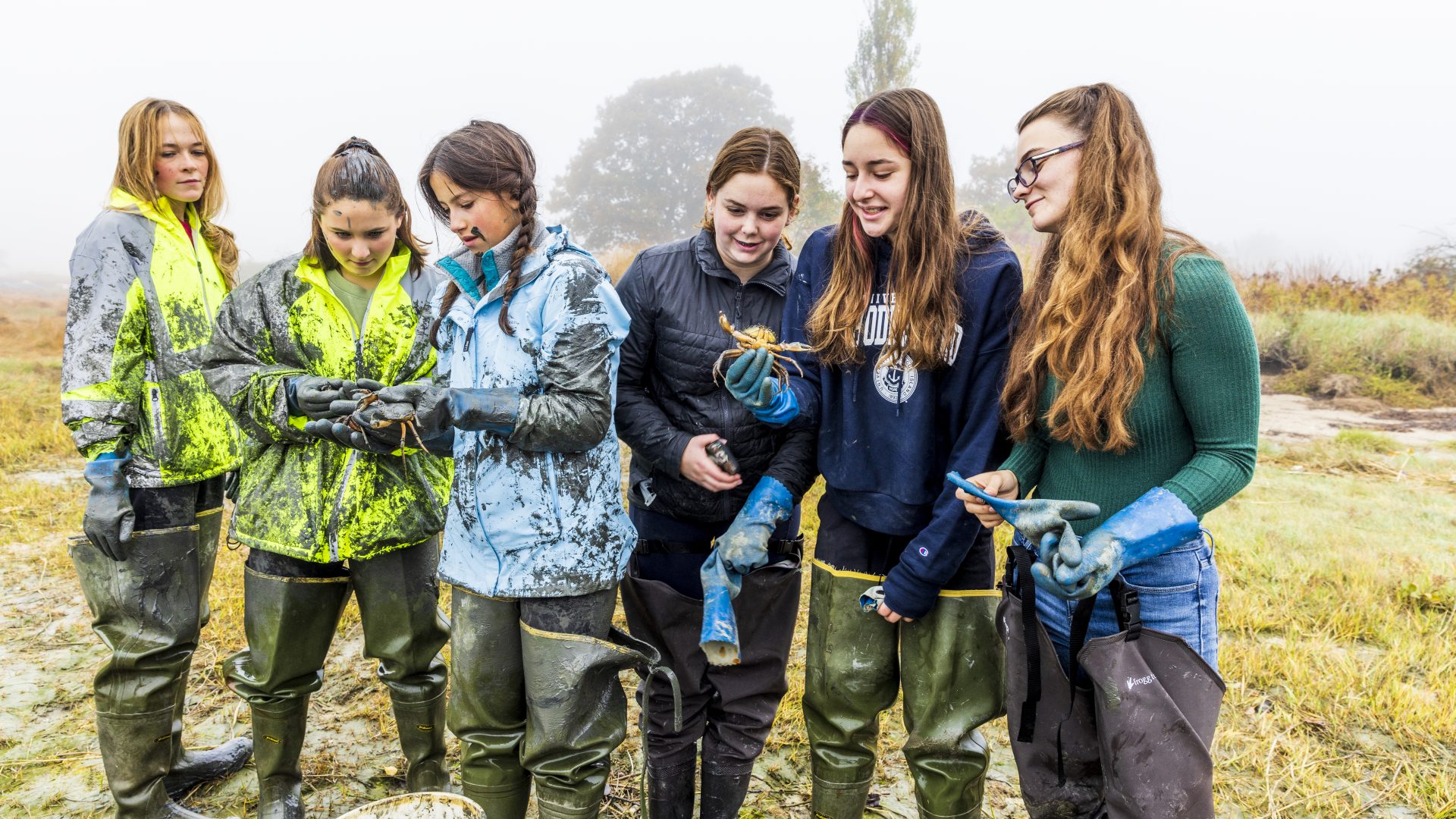
A Brunswick High School marine sciences class collects green crabs at Wharton Point on Marquoit Bay in Brunswick, Maine.
Ch. 19 HHLT Community Grants Deb Norton

EXPANDING PLACE-BASED LEARNING: THE ROLE OF SMALLER ORGANIZATIONS

While CCSWCD and GMRI provide the most extensive environmental education programming across watershed, smaller organizations and land trusts also play an important role in connecting students to local ecosystems.

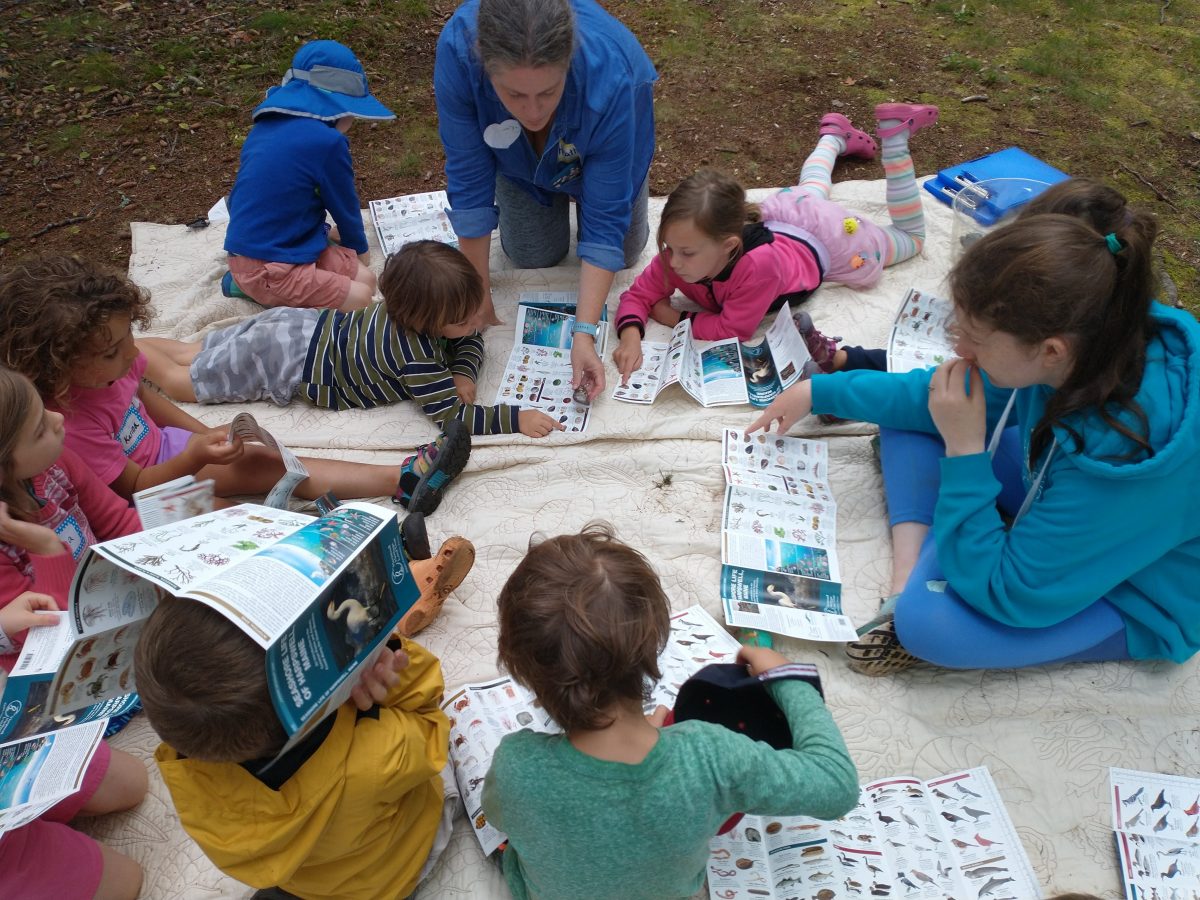
For instance, Cape Elizabeth Land Trust (CELT) has provided environmental education programs for fourth-grade students in Cape Elizabeth, Portland, and South Portland for more than 20 years and integrates ecology lessons throughout the school year, with a focus on climate change, habitat, and human impacts on ecosystems. Harpswell Heritage Land Trust (HHLT) engages elementary-age students through summer camps and school-based field experiences that use local preserves as outdoor classrooms for hands-on scientific exploration.

BUILDING CONNECTIONS: 10 YEARS OF CBEP COMMUNITY GRANTS

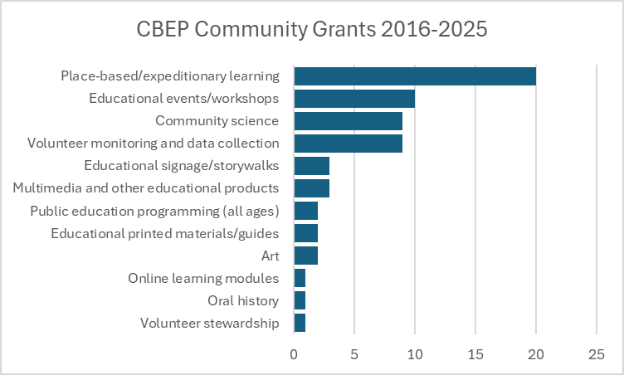
Since launching Community Grants in 2016, CBEP has supported community-driven projects that advance environmental education, stewardship, and engagement across Casco Bay and its watershed. Over the past decade, CBEP has awarded more than $174,000 to 55 projects.

Many of the most impactful projects bring together schools, municipalities, community groups, nonprofits, and academic partners to connect people with Casco Bay.

LOOKING AHEAD TO 2030

Demand for environmental education remains high, but organizations face challenges including limited funding, transportation and scheduling constraints, and staff capacity. Sustaining and expanding these programs will require reliable funding and continued partnerships among schools, nonprofits, land trusts, and public agencies.

Building Connections: 10 Years of CBEP Community Grants

Since launching Community Grants in 2016, CBEP has supported community-driven projects that advance environmental education, stewardship, and engagement across Casco Bay and its watershed. Over the past decade, CBEP has awarded more than $174,000 to 55 projects.

Many of the most impactful projects bring together schools, municipalities, community groups, nonprofits, and academic partners to connect people with Casco Bay.