Data Collection Priorities and Methods Are Evolving
At a Glance
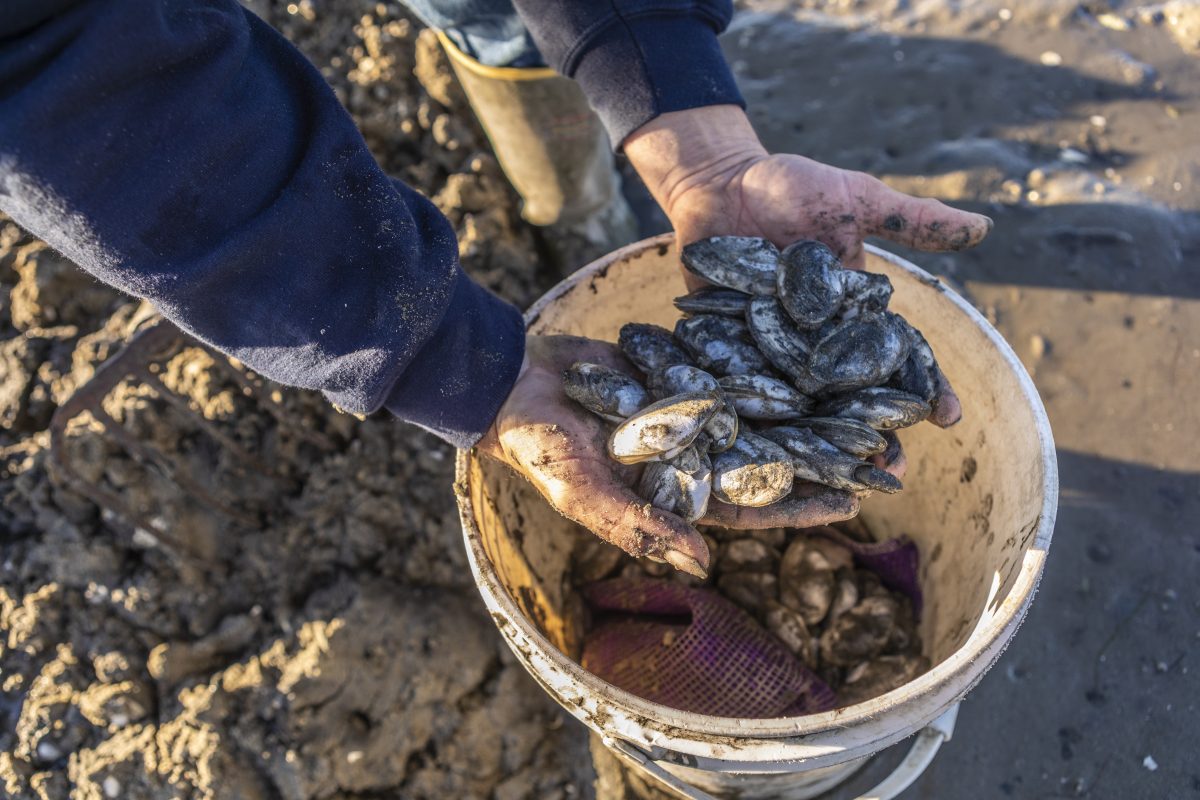
Lived experience and place-based knowledge provide important information to help understand Casco Bay.
Winter de-icing salt has emerged as a major contaminant of concern for urban freshwaters.
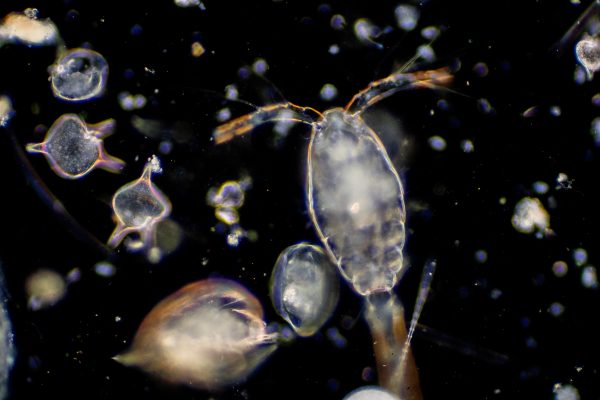
Efforts are underway to study the base of Casco Bay’s food web.
The seafloor of Casco Bay is being mapped for the first time in over 80 years.
Since the 2021 Report
One to two sentence summary of any major changes since the last report.
As our understanding of Casco Bay and the stressors impacting it continues to evolve, so does our recognition of knowledge gaps and additional data collection needs. Fortunately, there are dozens of individuals and groups collecting data in the Casco Bay watershed, from small local efforts to state regulated monitoring programs. As a result, new sources of information are constantly emerging to address these needs.
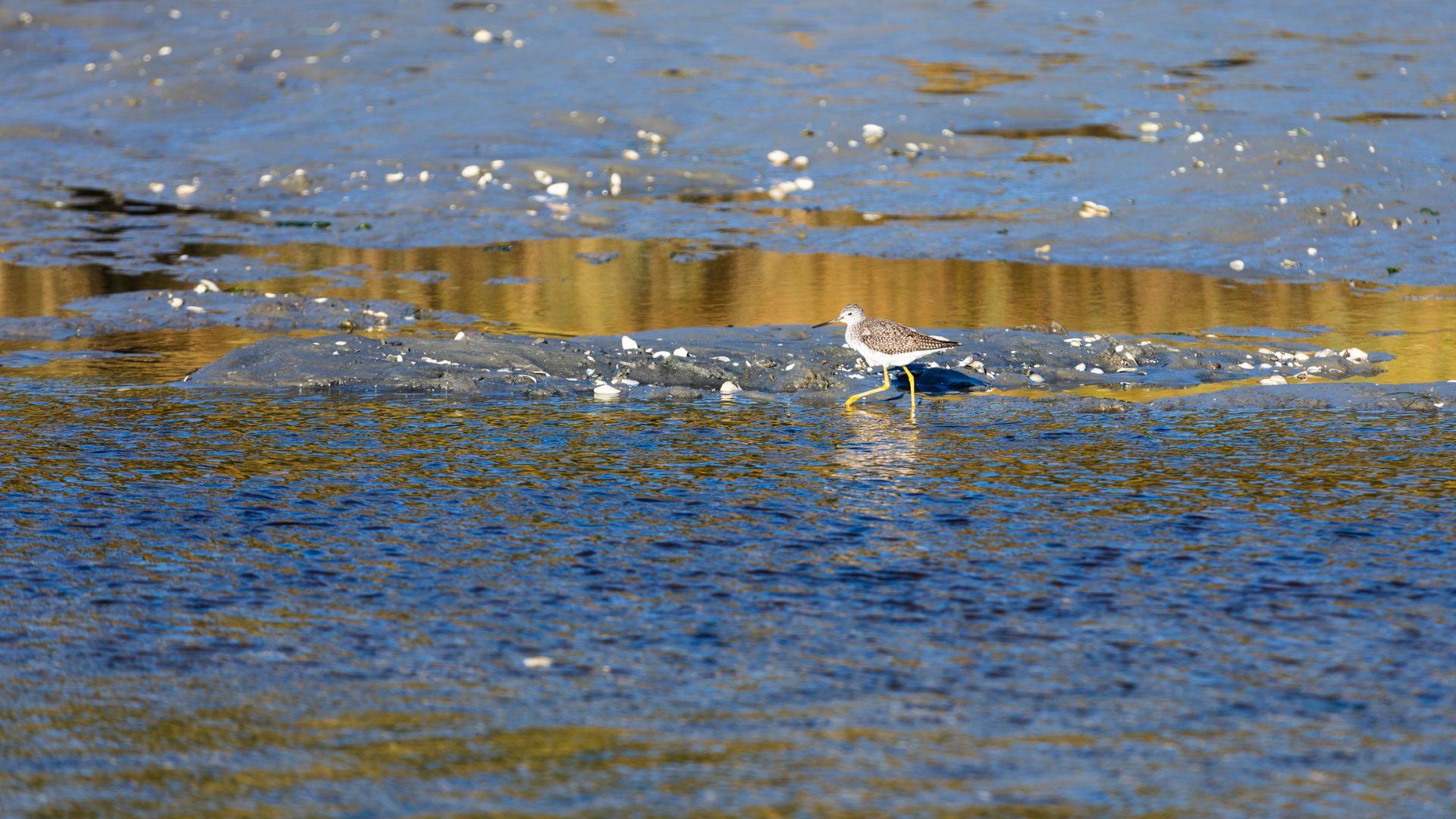
Recent efforts include work to monitor chloride contamination in freshwaters, characterize marine zooplankton communities, understand the resilience of tidal mudflats, and map the seafloor of Casco Bay. CBEP is also working to connect with community members that hold place-based local knowledge as a result of their lived experiences and recognize the importance of those data sources.