Invasive Species Remain a Persistent Threat to Casco Bay
At a Glance
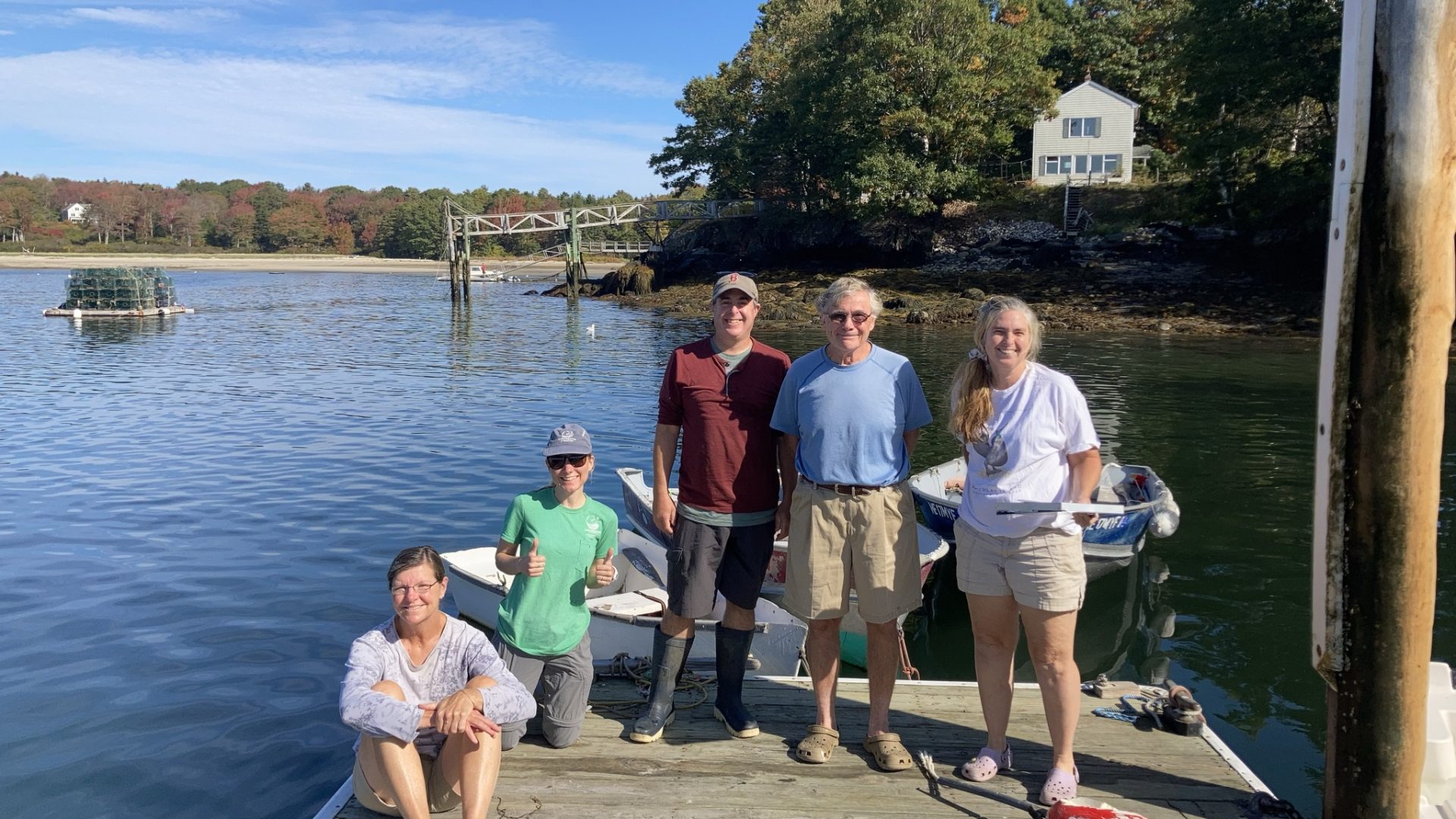
Volunteer efforts create the capacity to do long-term and large-scale monitoring, collecting thousands of observations each year, which helps researchers detect new invasions, track changes, and identify emerging threats.
Volunteer monitoring is also a valuable way to help the community learn more about invasive species, equipping them to take actions that help prevent new introductions.
Since the 2021 Report
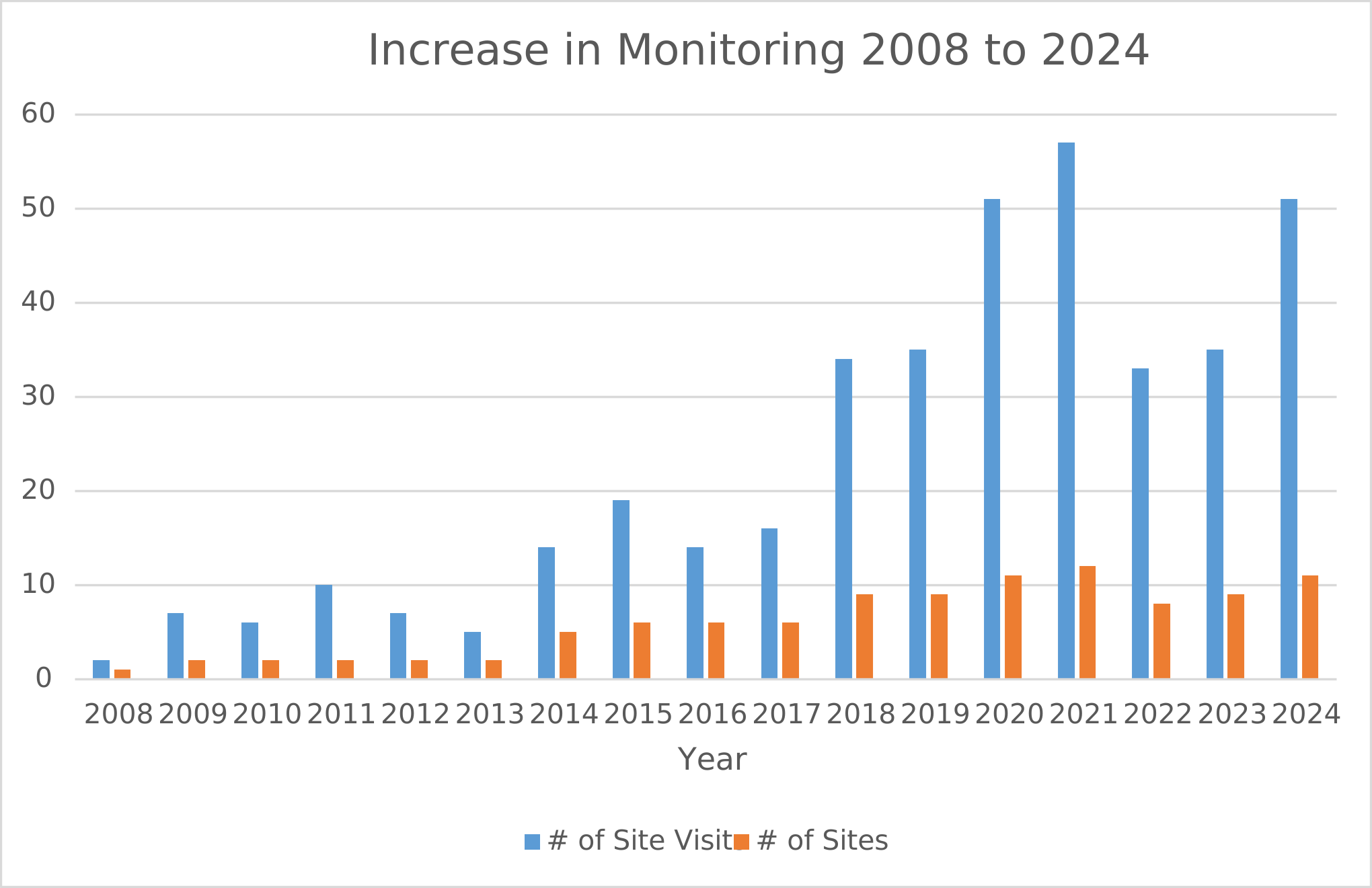
Volunteer involvement in invasive species monitoring has grown over the last two decades, in both the quantity of volunteers and observation sites. While monitoring sites and volunteer observations declined slightly in 2022 due to the removal of several monitoring sites, new sites have since been added.
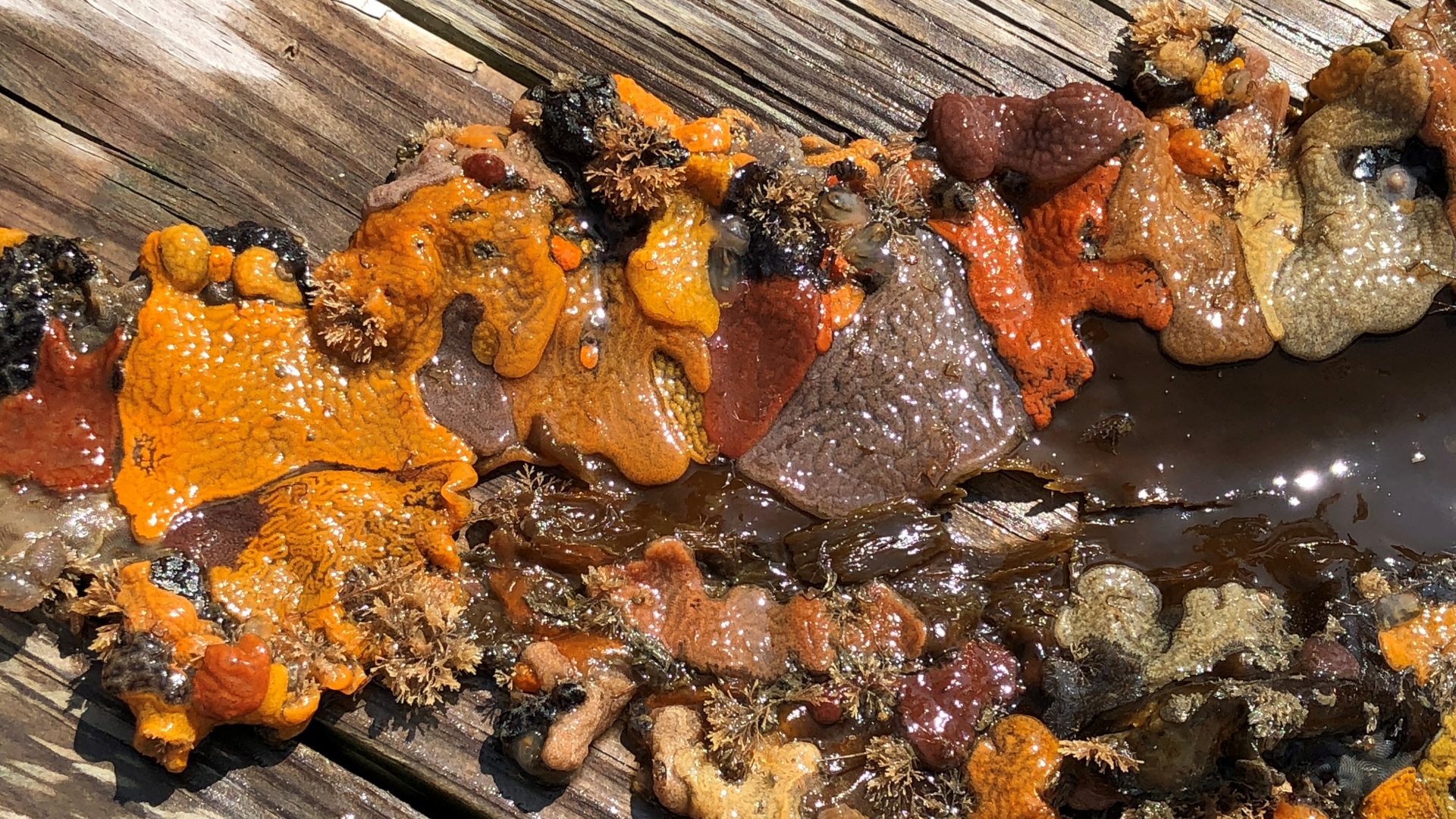
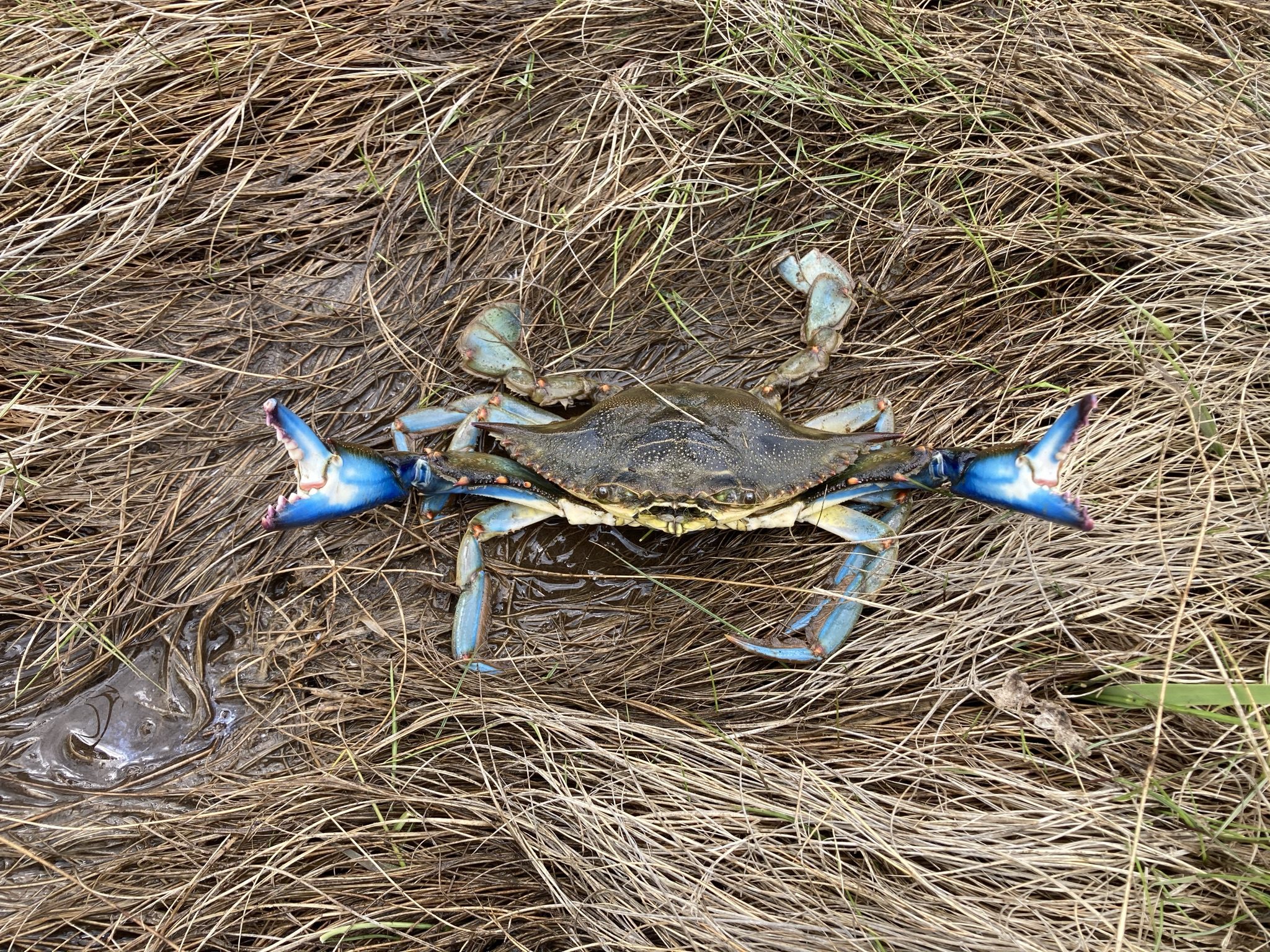
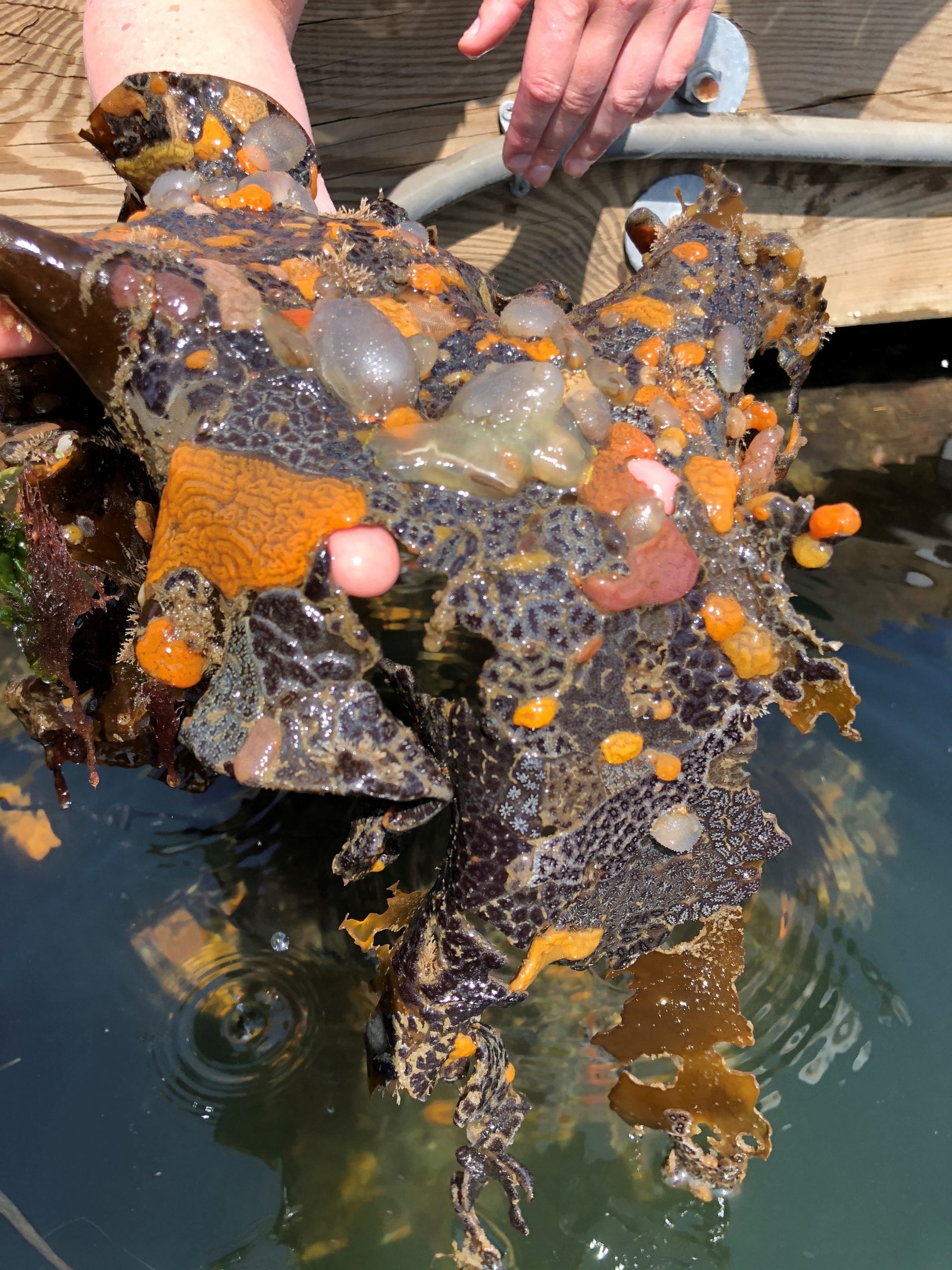
Invasive species are organisms that are not native to an area but arrive primarily through human activity. Marine invasives are mainly introduced by the transportation of species from one place to another. Global shipping, recreational boating, aquaculture, and other forms of marine transportation have greatly increased the movement of species around the world, allowing invasives to hitchhike on ship hulls, in ballast water, or on marine equipment.
Key characteristics of invasives include aggressively outcompeting native species and growing in population rapidly. This can harm native ecosystems by altering the structure of the food web which can cause negative impacts to the environment, the economy, and public health.