Communities Mobilize for Climate Resilience
At a Glance
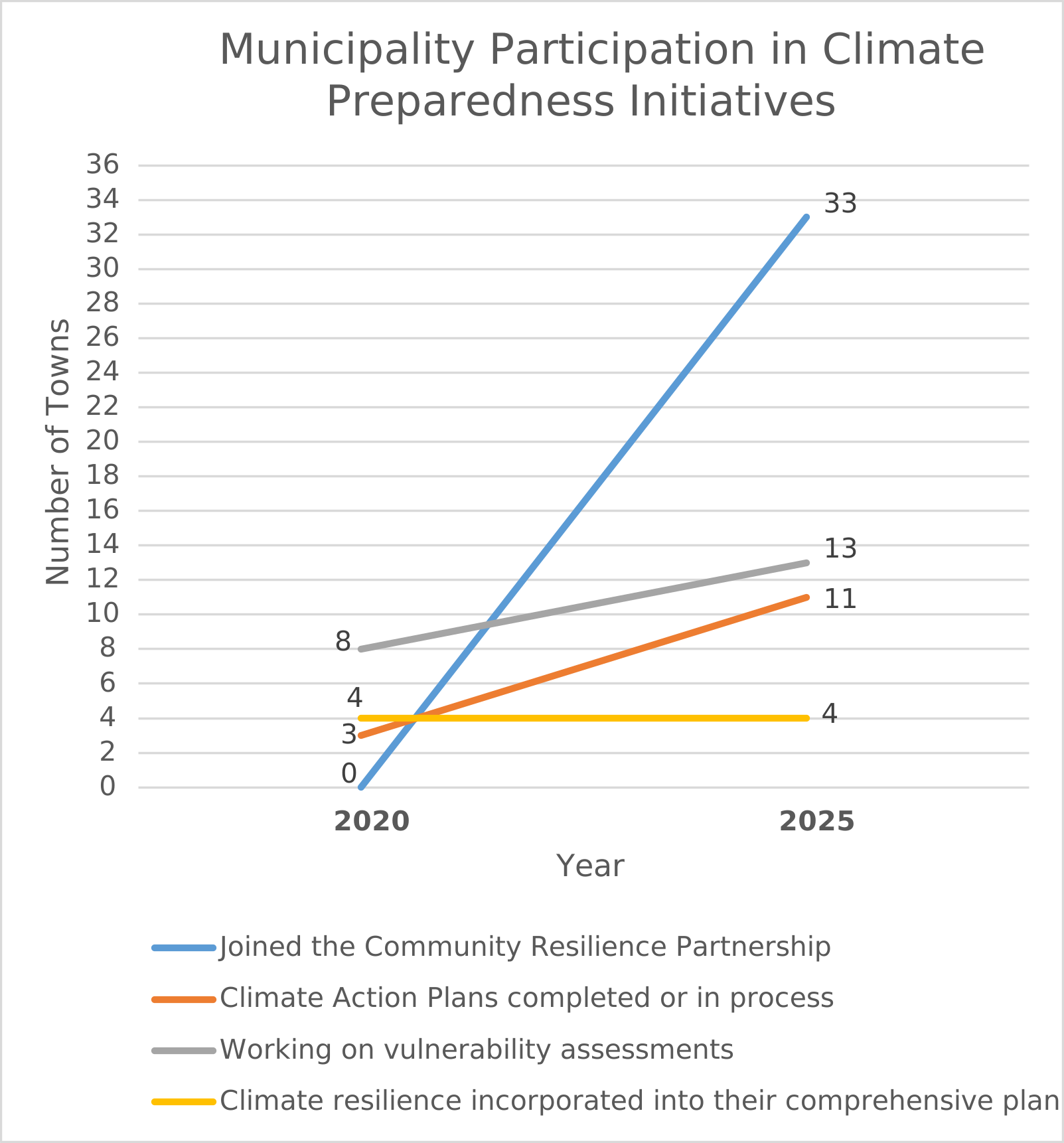
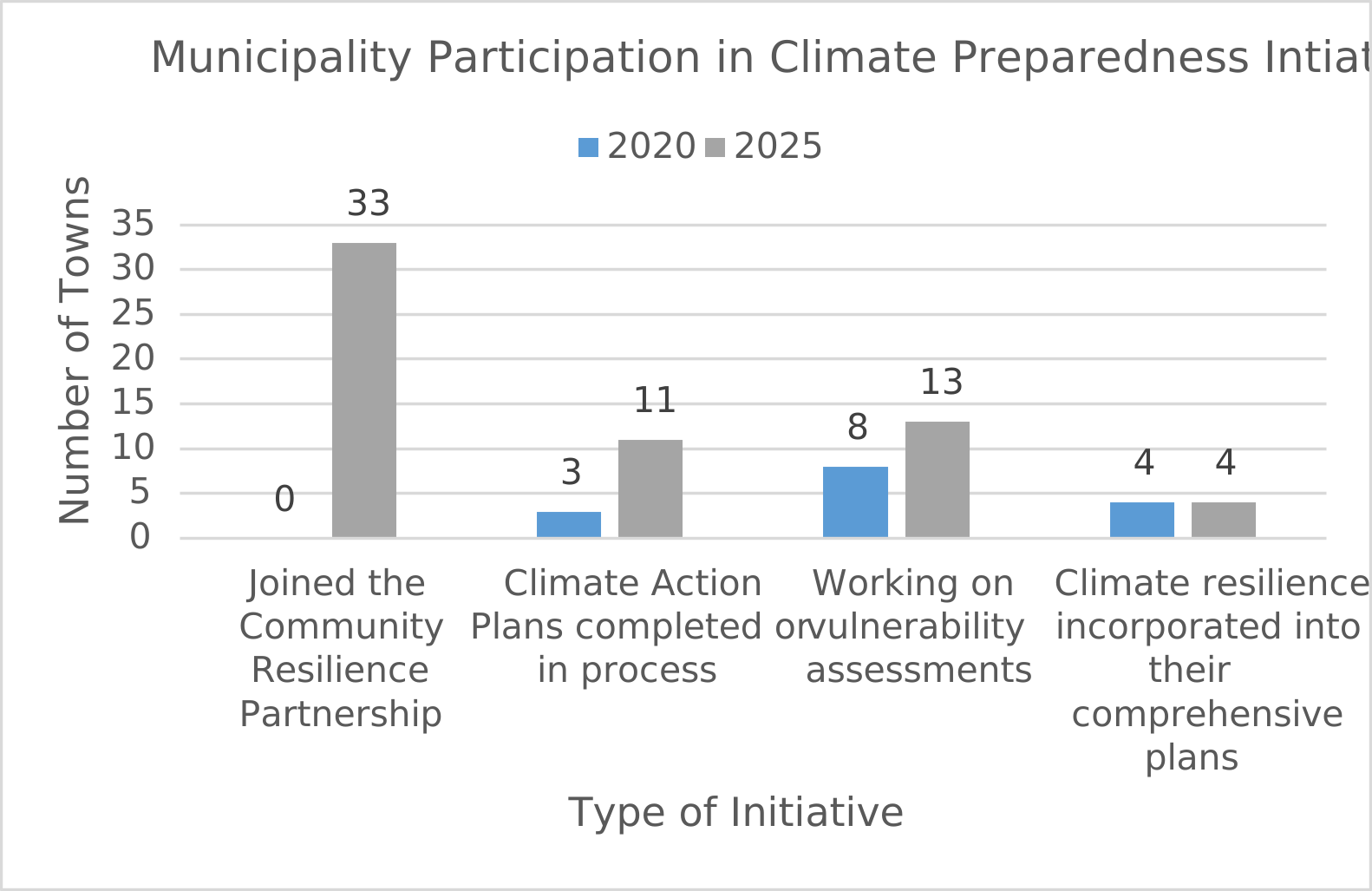
Participation in climate resilience planning has expanded, with communities across the watershed engaging in the Community Resilience Partnership.
State-supported funding and technical assistance have enabled communities to assess vulnerabilities, plan for climate impacts, and begin implementing resilience projects. $18.8 million in grants had been awarded to more than 263 communities statewide between 2021 and 2025.
Despite this progress, limited municipal staff capacity and competing priorities can constrain the pace and scale of resilience efforts, particularly in smaller communities.
Regional coordination remains a challenge, as climate impacts cross municipal boundaries but are addressed primarily at the local level.
Sustaining momentum will require continued funding, technical support, and collaboration to move from planning to implementation.
Since the 2021 Report
More communities across the Casco Bay watershed are participating in climate resilience planning and beginning to implement projects to address climate risks. The Community Resilience Partnership (CRP), launched in 2021 as part of the Maine Won’t Wait climate plan, has provided new funding and technical assistance to support this work.
Since the last State of the Bay report in 2020, communities across the watershed have made progress in climate resilience planning. The Community Resilience Partnership, launched in 2021 as part of the Maine Won’t Wait climate plan, helps towns and tribes reduce emissions and prepare for climate impacts. As of 2025, $18.8 million in grants had been awarded to more than 263 communities statewide.
Maine’s climate continues to warm, bringing more intense precipitation, coastal flooding, sea level rise, and other changes that affect Casco Bay’s ecosystems, infrastructure, communities, and economy (See 7. Climate Change).
Climate resilience refers to the work that municipalities are undergoing to prepare for future climate impacts. This work includes assessing vulnerabilities, developing adaptation plans, and implementing projects to reduce the risks that climate change pose to communities.