Initiatives to Reconnect Aquatic Habitats Are Underway in Coastal Streams and the Royal River, Crooked River, and Presumpscot River Watersheds
At a Glance
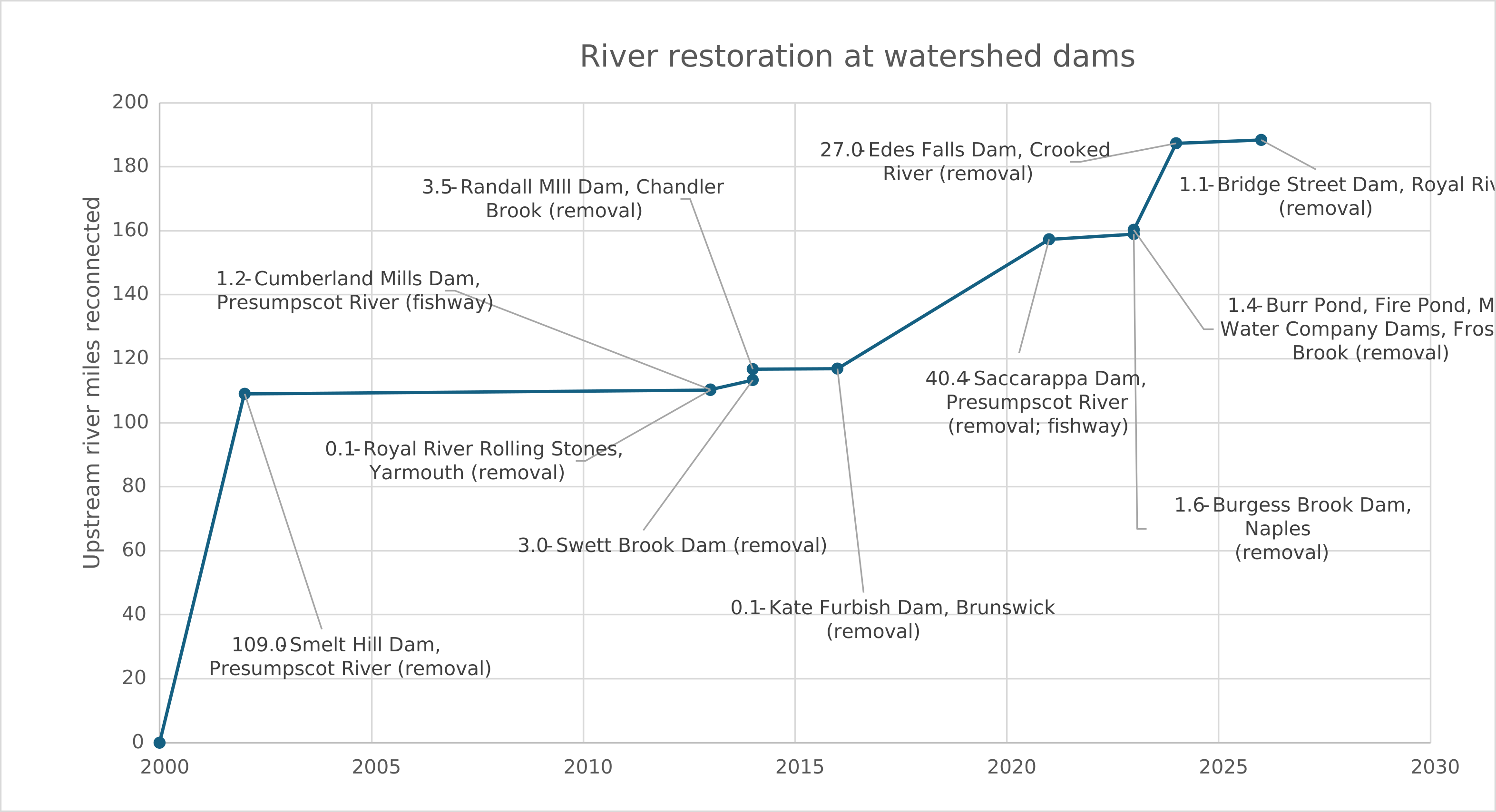
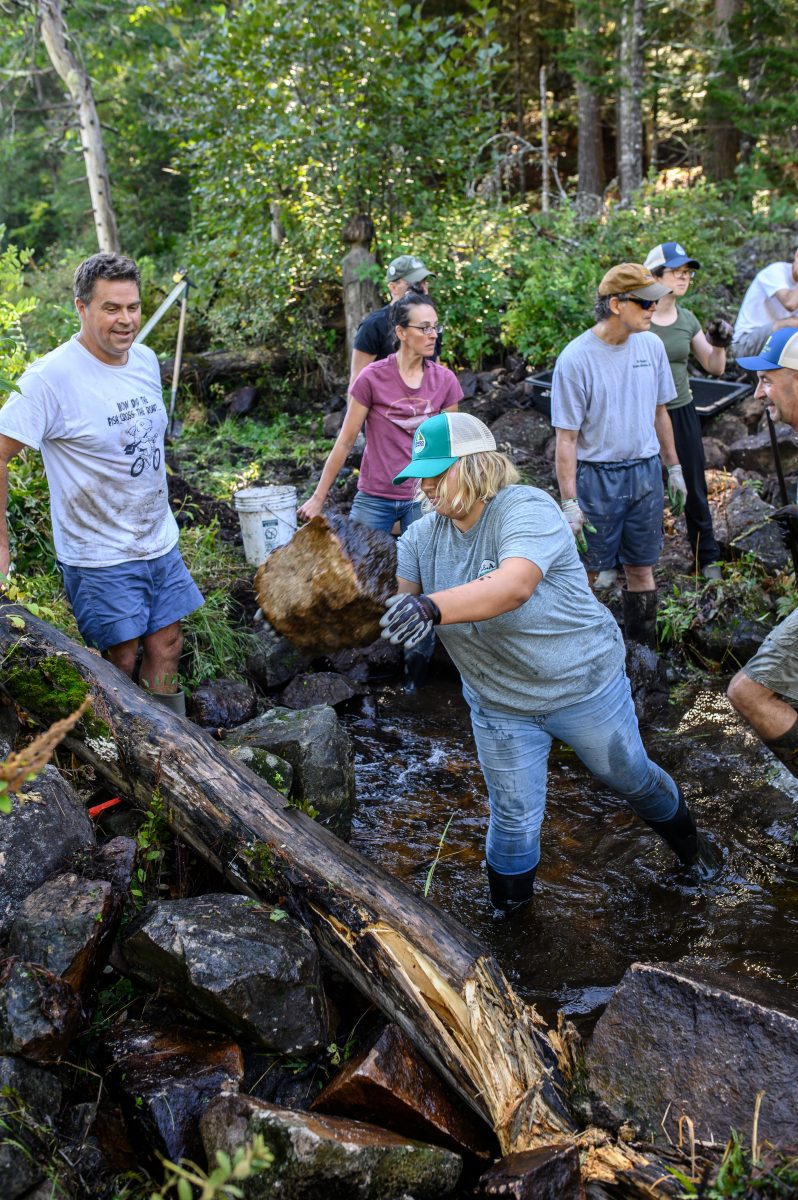
12 dams have been removed in the Casco Bay watershed since 2002, including a summer 2026 project at Bridge Street Dam, the lowest dam on the Royal River.
Since 2000, through restoration actions, 150 miles of riverine habitat in the Presumpscot watershed have been reconnected to Casco Bay.
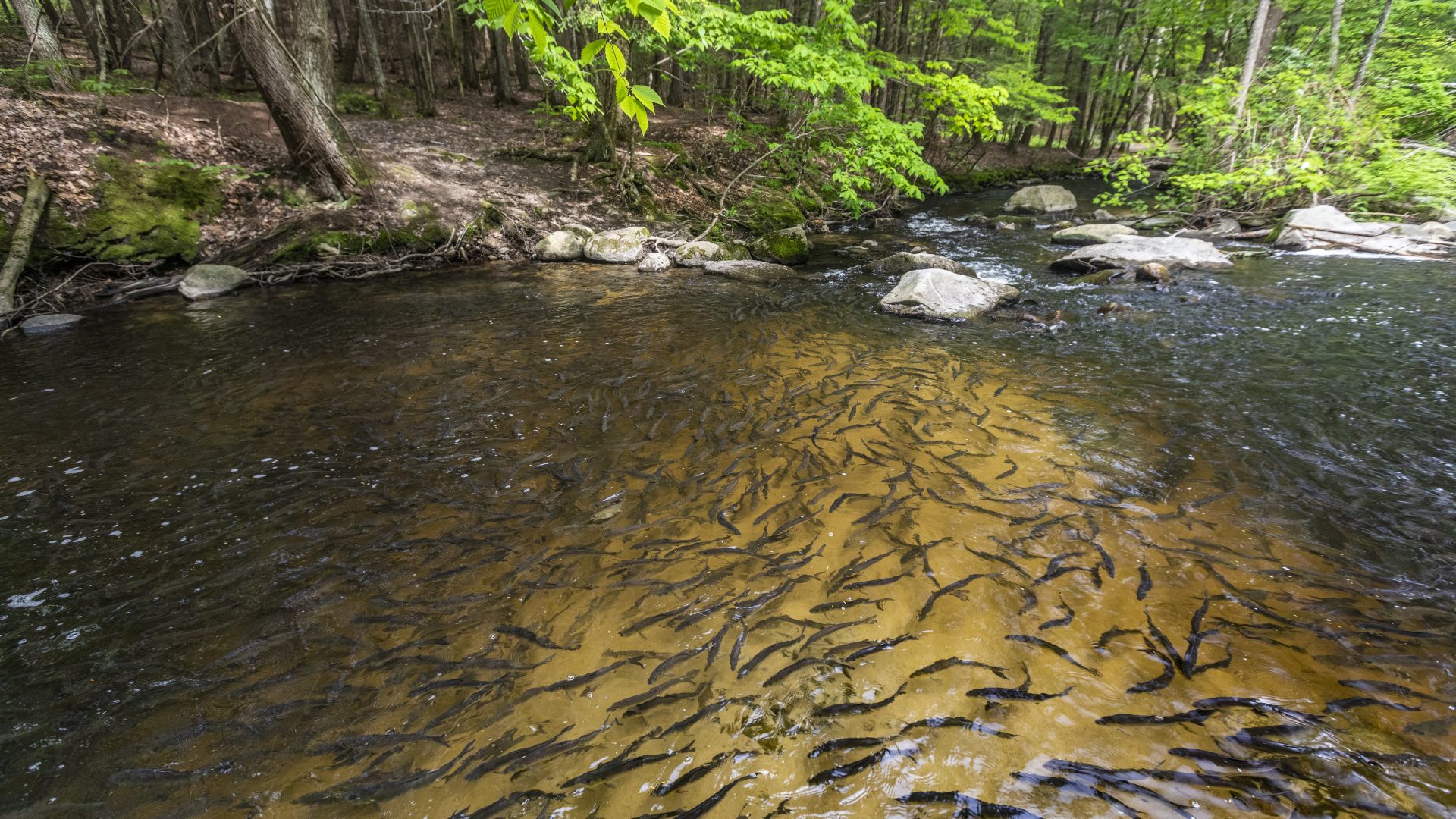
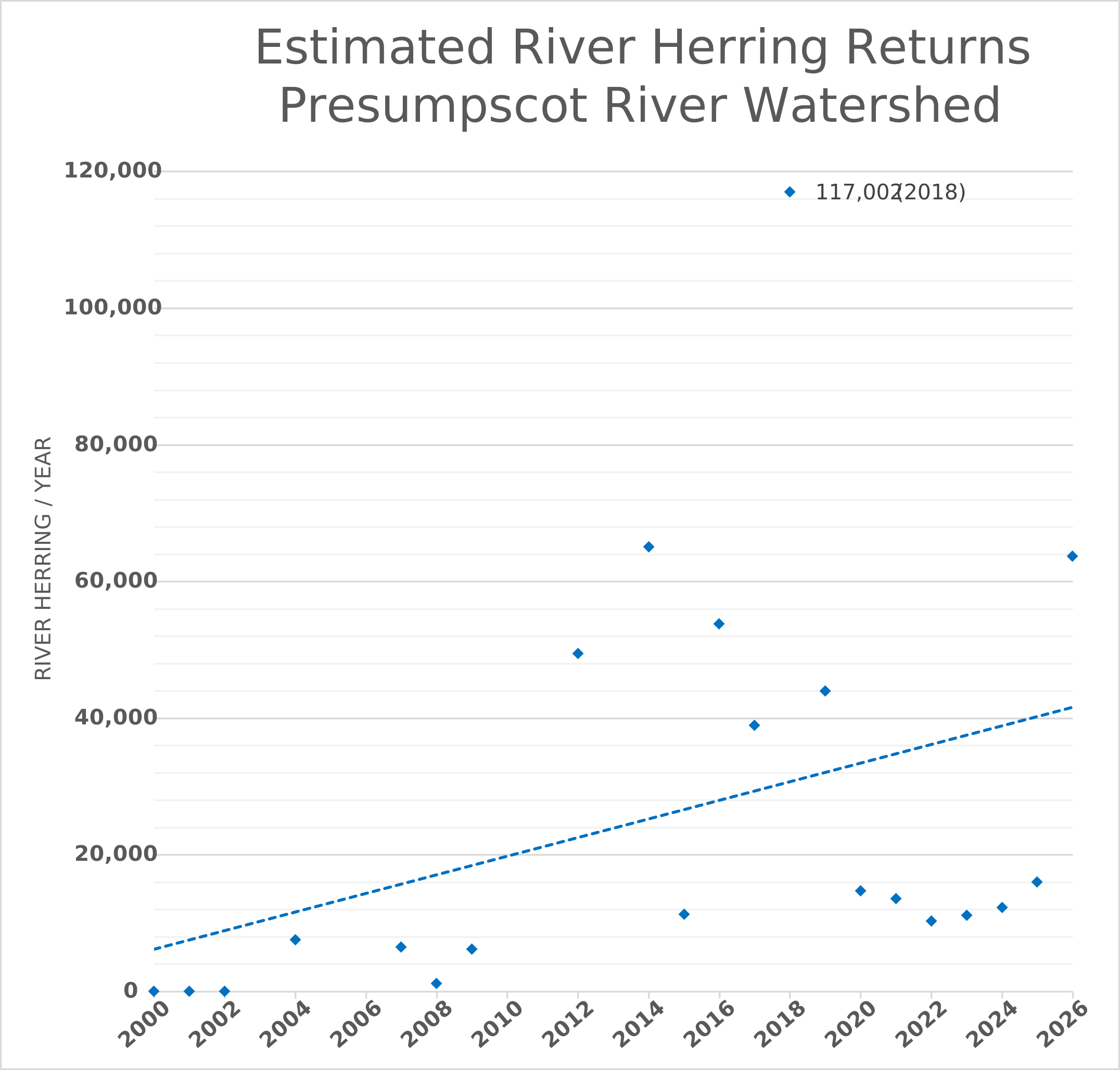
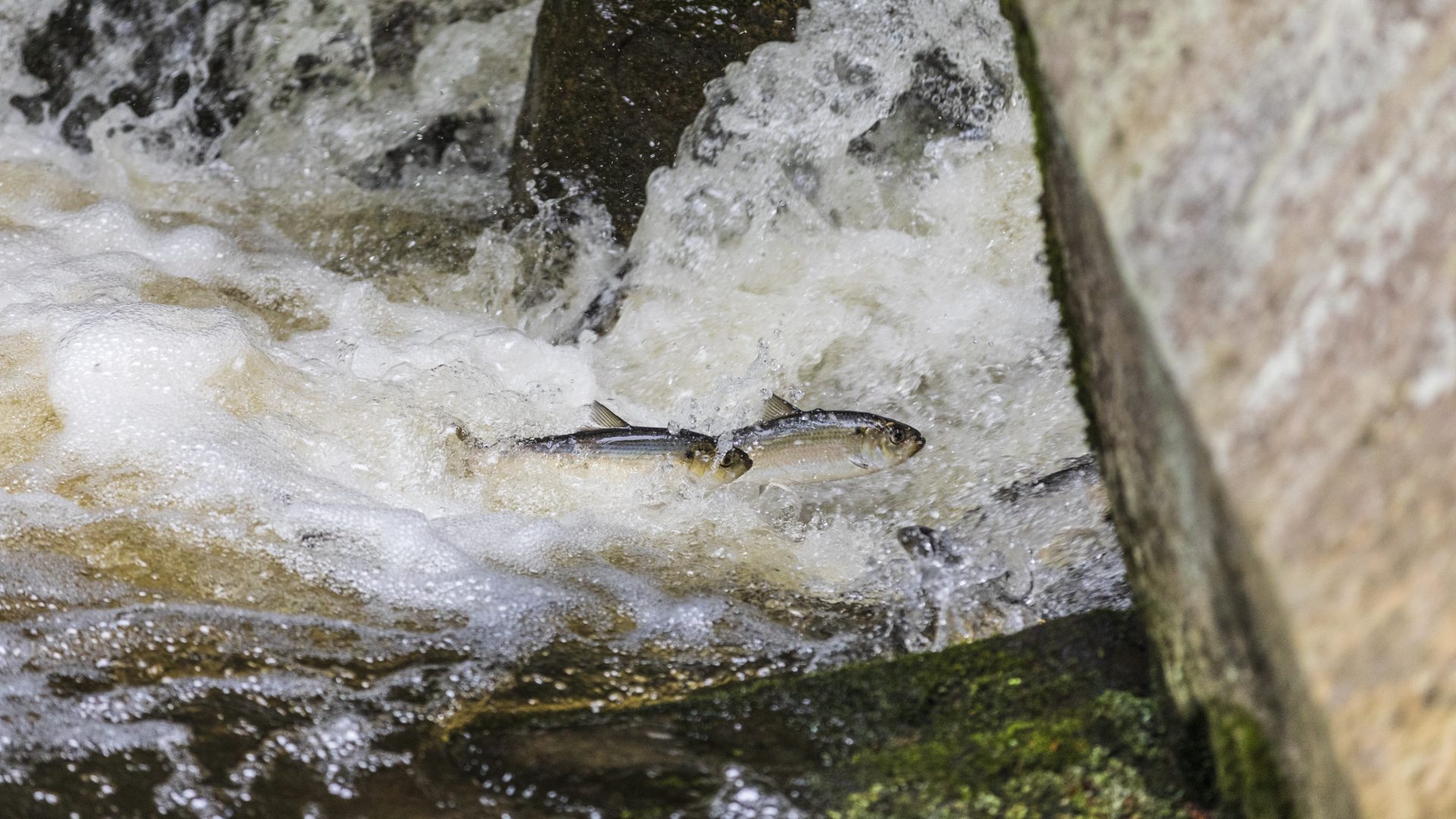
River herring counts have trended upward since 2002, when Smelt Hill Dam was removed at Presumpscot Falls. In 2026, an estimated 60,000 alewives swam from the Presumpscot Estuary into Highland Lake, to spawn.
Since the 2021 Report
Eight dams have been removed since the prior State of Casco Bay report in 2021, including two Presumpscot main stem dams at Saccarappa Falls in downtown Westbrook, where fishways were also constructed to aid movement around the industrially-modified falls. As a result, for the first time in centuries, blueback herring, shad, and other anadromous fish have access to an estimated 40 miles of riverine habitat. This habitat includes the Presumpscot River up to Mallison Falls Dam, and most of the Little River watershed, which is fed by aquifers in Buxton and Standish. However, connectivity between the main stem and two tributary streams – Inkhorn Brook and Colley Wright Brook – was severed following removal of the dams at Saccarappa Falls, when water levels in the former impoundment subsequently dropped by several feet, leaving the culverts perched above the Presumpscot River (photo, Fig. 3).
Being able to move freely between different types of habitats is vital for many aquatic species, and requires habitats that are well-connected by flowing waters. Connectivity is essential for anadromous fish, which are those species that are born in fresh water, migrate to the ocean for part of their lives, and migrate back to natal fresh water bodies to reproduce. Locally abundant anadromous species include alewives, blueback herring, shad, lamprey, and rainbow smelt. Eastern brook trout and other fish that require cold, oxygen rich water move seasonally among spring-fed streams, mainstem rivers, and estuaries to reproduce and feed. Connectivity is also essential for catadromous species such as American eel, which spends much of its adult life in freshwater and migrates to the ocean to reproduce. Terrestrial animals often travel and feed along rivers and streams.