Chapter 14. Conserved Lands

The Pace of Permanent Land Conservation in the Casco Bay Watershed Reached an All-time High In the Last Five Years

The Pace of Conservation Needs to Increase to Meet 2030 Goals

At a Glance

Conserved land is important to protect clean water, conserve ecological communities, enhance climate resilience, sustain working forests and farms, and provide access to open space and outdoor recreation.

By the end of 2025, a record 13.8% of the Casco Bay watershed had permanent protected status.

Despite this remarkable achievement, the pace of conservation would need to increase by 140% to reach the goal of protecting 20% of the watershed by 2030.

Since the 2021 Report

The last five years have set a record pace for conservation work in Casco Bay, with much of the gains in the upper watershed. Between 2000 and 2024, over 1.5x as much land area was conserved in the Sebago Lake watershed compared to the combined Presumpscot River, Royal River, and Stroudwater River watersheds. By the end of 2025, a total of 79,626 acres in the watershed had been permanently protected, the equivalent of 13.8% of the Casco Bay watershed.  An additional 7,710 acres are classified as temporarily protected, bringing the total area conserved to 15.2%.

Conserved land is land that is permanently protected from development and generally remains in a natural state for fish and wildlife habitat or provides protection for other land values such as agriculture and forestry.

Typically, it allows for low-impact recreation but does not include land that is predominantly recreational such as ball fields or playgrounds. Keeping track of conserved lands over time helps illustrate the level of success conservation partners have had in protecting land. The actual rate of protection may reflect the availability of funding sources and the cost of acquiring land.

Throughout Casco Bay’s watershed, and particularly in proximity to Portland, land is being developed in response to demand for residential, commercial, or industrial property, fueled by changing patterns in where people work and live. Setting aside a network of natural areas in perpetuity is important to protect clean water, conserve ecological communities, enhance climate resilience, sustain working forests and farms, provide access to open space and outdoor recreation.  Many conservation organizations now work closely with communities to support residential housing that is complementary to land protection, and provide access for traditional and cultural uses.

One challenge to conserving land in the Casco Bay region is the lack of regional conservation funding mechanisms to help address the higher cost of conservation work in this part of the state.
The 2024 Casco Bay Plan Set a Goal of Permanently Protecting 20% of the Total Watershed by 2030

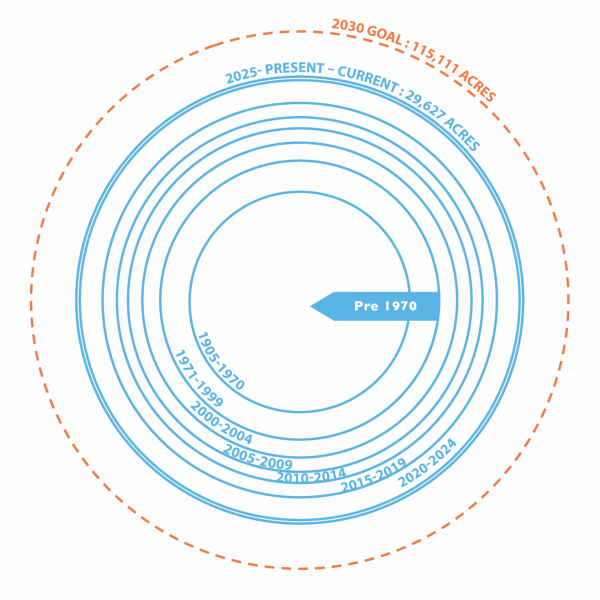
As of the end of 2025, 79,626 acres of land are now classified as permanently conserved, representing 13.8% of the total watershed land area. Land trusts, state and federal agencies, and other landowners added 17,755 acres of permanent conservation land since 2019*, equal to nearly 3,000 acres per year. The impressive increase reflects the tireless work of land trusts and other conservation partners, as well as a substantial increase in available funding to support land acquisition.

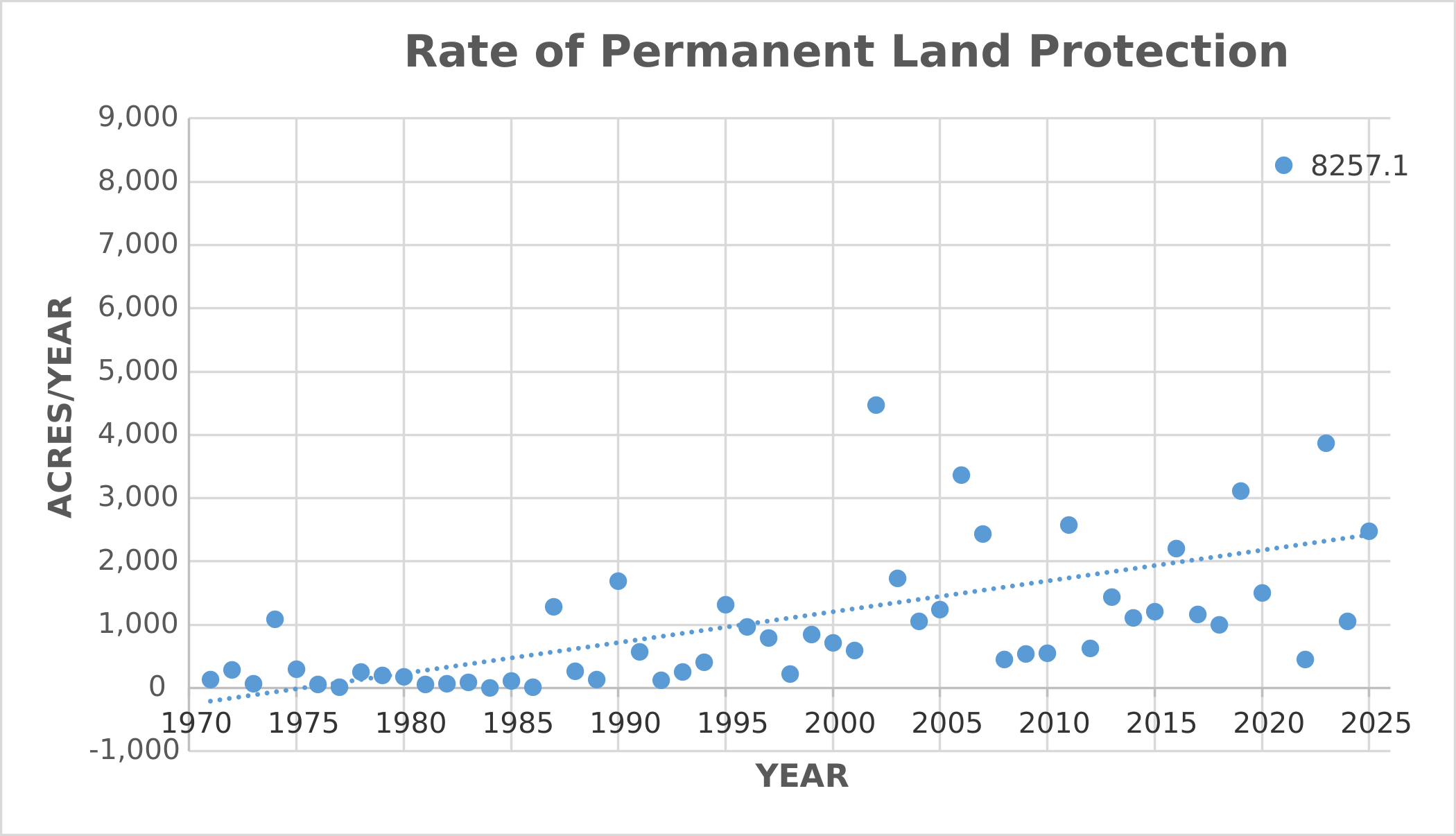
Despite this remarkable achievement, it is unlikely that the 20×30 goal will be achieved, since doing so would require protecting an average of 7,097 ac/year, a 140% increase over the current pace. That annual rate of protection was only achieved in 2021, when 8,257 acres were conserved.

*Recalculation of conserved land data revealed that the 2020 State of Casco Bay report over-estimated the acreage of permanently conserved land by 19,619 acres and also overestimated the percent of watershed conserved by 3.4%.

Figure 1. Permanent (green) and temporary (yellow) conserved land in the Casco Bay Watershed through 2025.

Figure 2. Rate of permanent land conservation. Protected lands with unknown acquisition dates not shown.

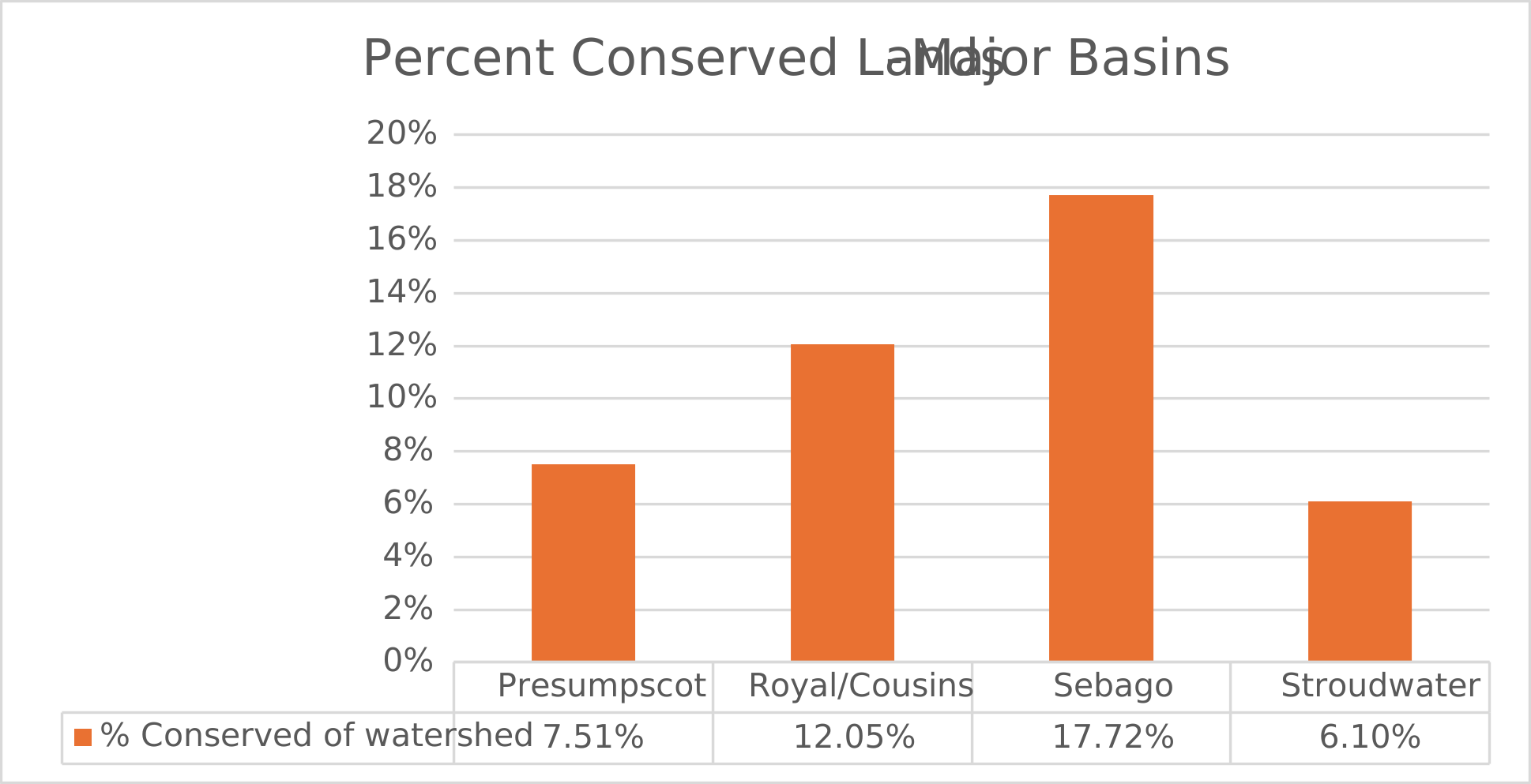
Newly Conserved Lands Distributed Unevenly Around the Watershed

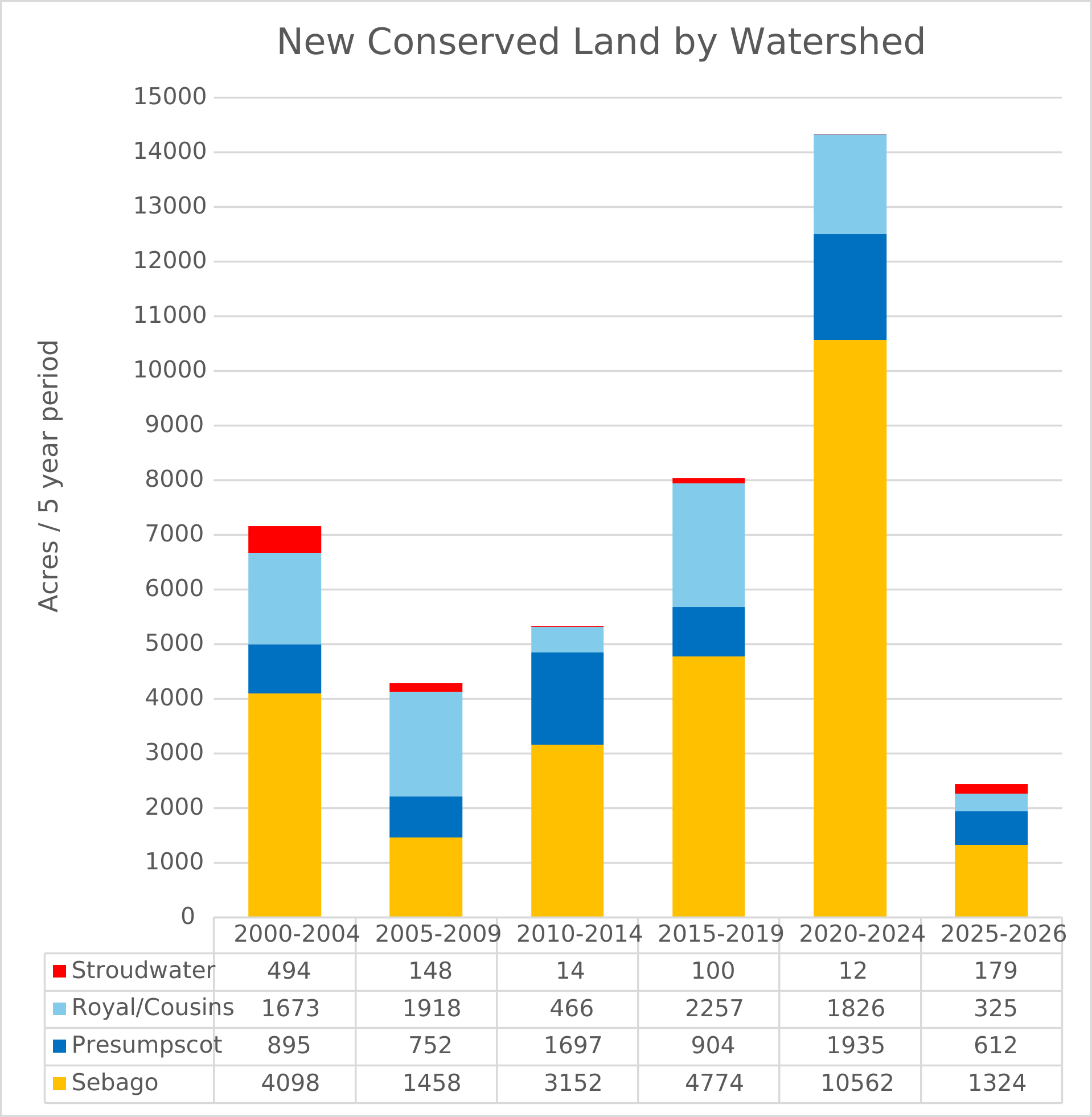
Figure 4. New conserved land by subwatershed, five-year basis.

Sebago Clean Waters is a collaboration between the Portland Water District and several conservation organizations. They are making significant progress on their goal to increase the pace of land conservation. Land conservation in this region increased from 4,774 acres between 2015 and 2019 to 10,662 acres between 2020 and 2024.

Elsewhere, newly conserved lands have been unevenly distributed within the Bay’s largest freshwater basins.  Some of this discrepancy can be explained by the combination of higher demand for developable land closer to the coast, along with a relatively lower supply of available land. Together, these forces drive up the cost of protecting land. The Stroudwater River watershed includes Buxton, a community which falls outside the service area of any land trusts. The lower Stroudwater River also faces high commercial and residential development pressure.

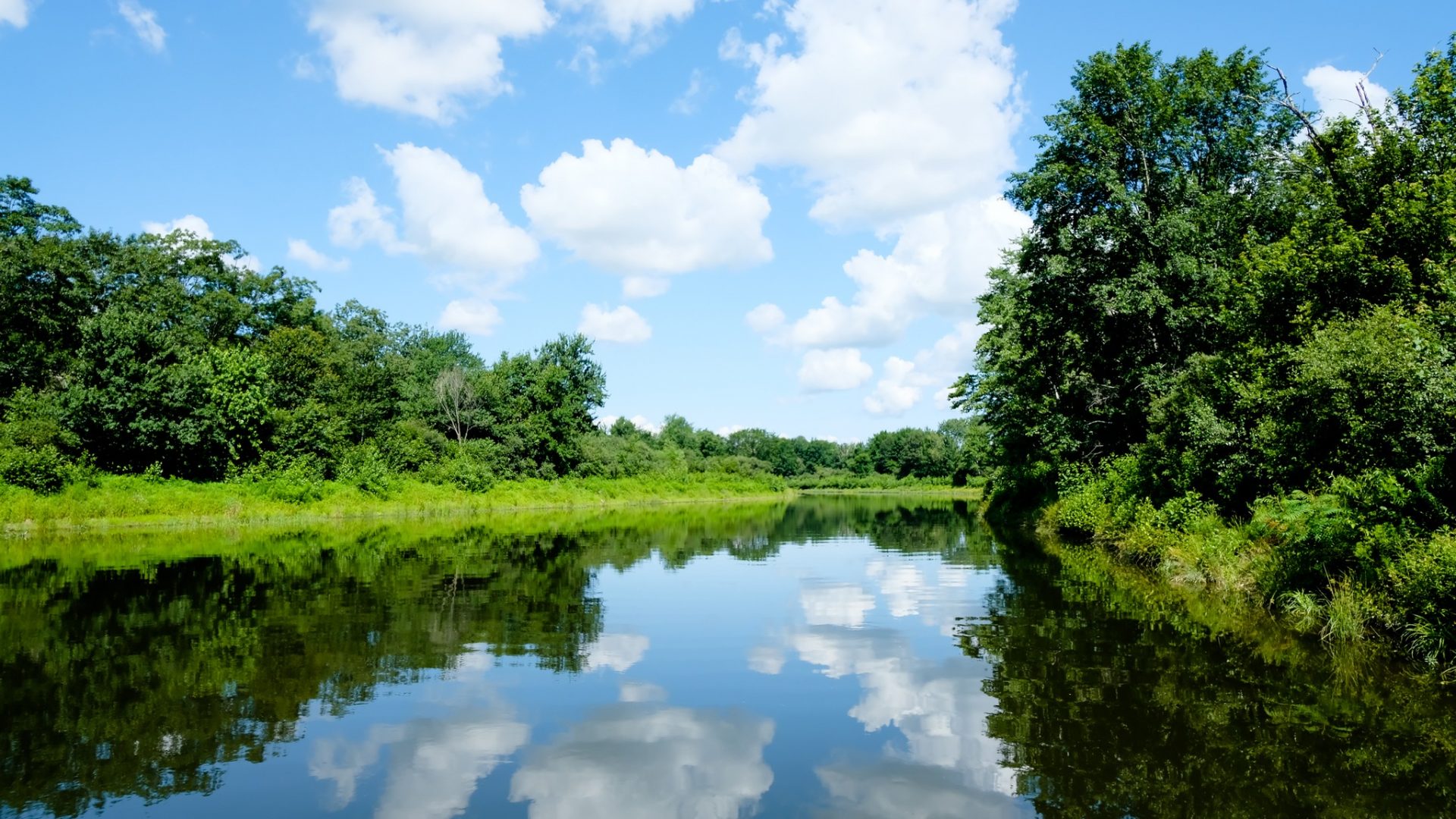
Rivermeadow Conservation Project PRLT

LOOKING AHEAD TO 2030

Maintaining the current pace of land protection will depend on economic conditions, the continued availability of funding – particularly from government sources – and the vibrancy of local land conservation organizations, which must build stewardship and management capacity commensurate with the increase in protected land.

Davis Parcel I CELT