Chapter 18. Bay Economics

A Vital Ocean Economy, Driven by Tourism

Tourism and Marine Industries Play a Vital Role in Cumberland County’s Economy, While a Healthy Casco Bay Remains Foundational to the Industry’s Future

At a Glance

Tourism continues to drive the region’s ocean economy, with strong growth in visitation, including record cruise passenger arrivals.

Living marine resources including lobsters and shellfish remain an important part of the working waterfront, a cultural touchstone, and a key contributor to Maine’s tourism economy.

Climate change poses increasing risks to marine ecosystems, infrastructure, and coastal communities, with potential long-term implications for tourism, fisheries, and other ocean-based industries.

The long-term health of Casco Bay’s ecosystems remains foundational to the region’s economy, as tourism and marine industries depend on clean water, healthy habitats, and a resilient coastline.

Since the 2021 Report

The region’s ocean economy has rebounded from the disruption of the COVID-19 pandemic, with tourism and ferry ridership returning to or exceeding pre-pandemic levels. At the same time, traditional shellfish harvesting remains important while growing interest in aquaculture points to new opportunities for the region’s working waterfront.

Casco Bay is a stunning ecological asset that enhances the region’s quality of life. The Bay provides beauty, natural resources and ecological services that help sustain towns, villages and economies. Communities and histories have been shaped by the Bay and the opportunities it provides.

The Bay is also an economic asset that supports the economic vibrancy of the entire region. Natural resources and ecological services support market and non-market benefits that improve the lives of residents and visitors alike. The Bay’s beauty not only underpins a robust tourism industry, but it also attracts residents who contribute their skills and expertise to the regional economy.

Fully measuring the market, nonmarket, direct and indirect economic benefits or value of Casco Bay is difficult and expensive. One can, however, get a sense of the Bay’s economic importance by looking at the composition of the sectors of the economy most closely related to the ocean.
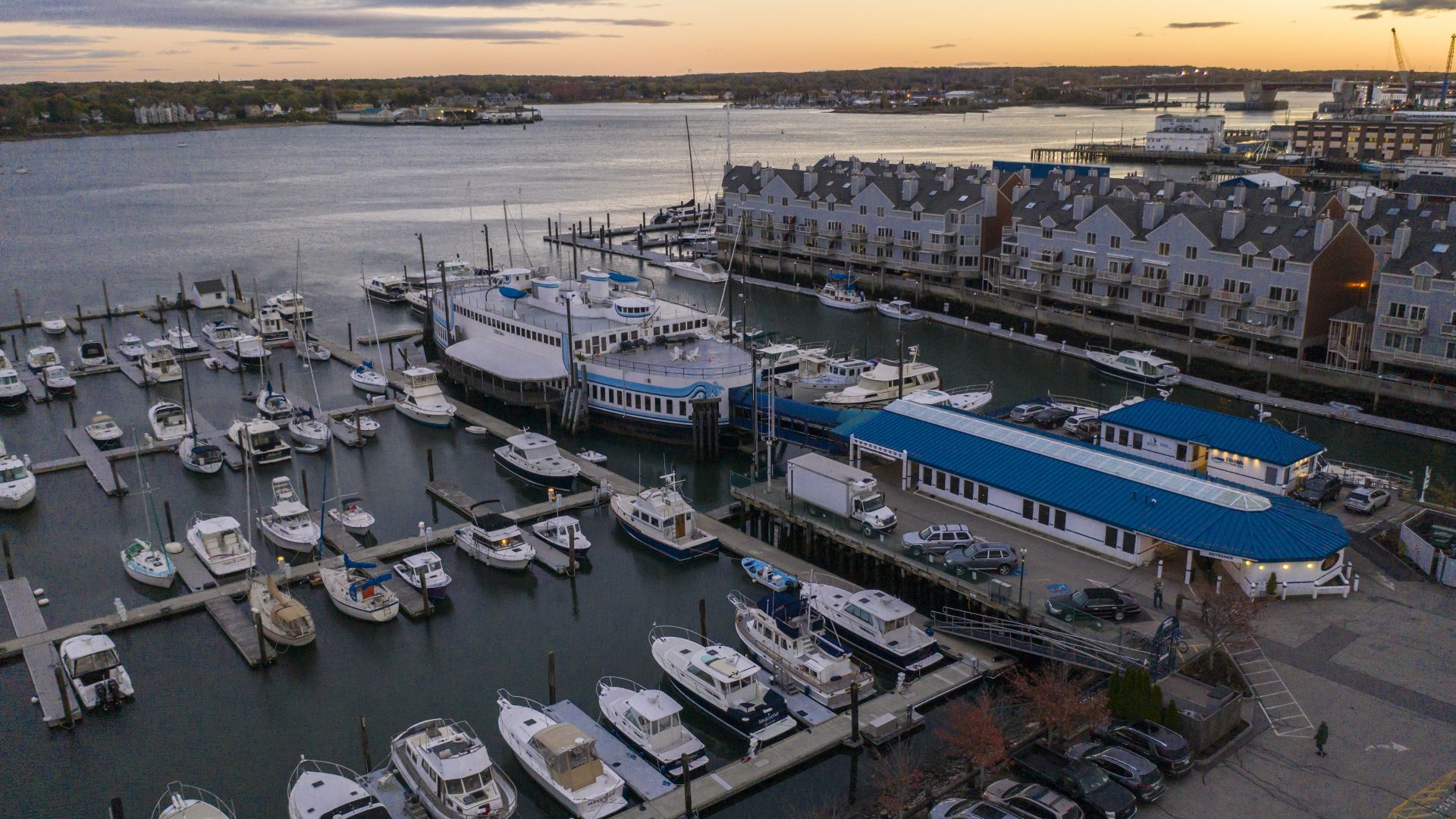
 

Aerial view of the waterfront in Portland, Maine.

Coastal and Ocean Economy*

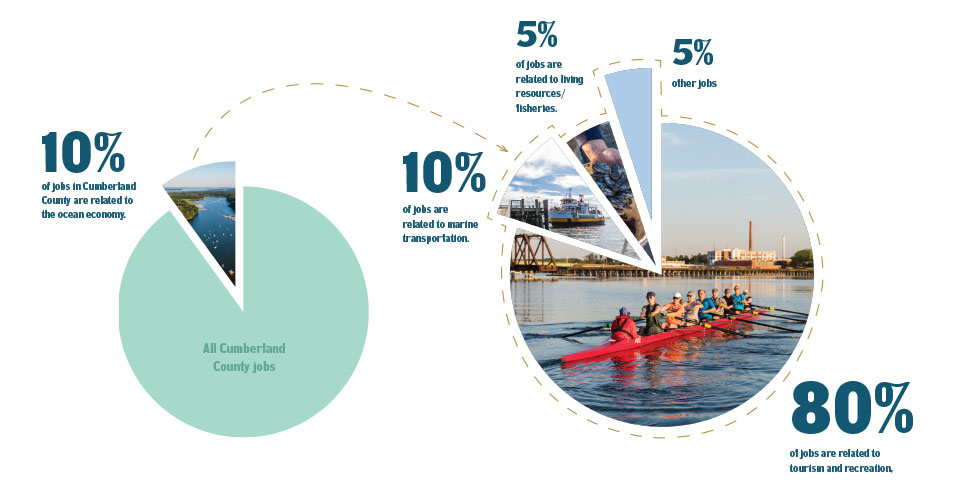
Cumberland County’s ocean economy is a significant part of the regional economy, supporting approximately 8–10% of jobs and up to 3.75—5.5% of economic output in recent years (2017 through 2021, the most recent five years for which data is available).

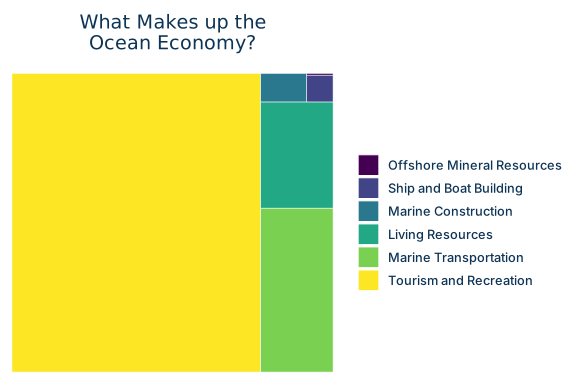
Tourism and recreation dominate Cumberland County’s ocean economy, accounting for roughly 80% of jobs and businesses. Cumberland County also plays an outsized role at the state level, representing roughly one-third of Maine’s ocean-related jobs and economic output.

Marine transportation (at about 10–12%) and living resources (at 3.5–5.3%) also contribute, but to a lesser degree. Marine construction and ship and boat building are relatively small within Cumberland County but play a role in the regional economy because of the influence of Bath Iron Works in neighboring Sagadahoc County.

*The National Oceanic and Atmospheric Administration (NOAA) defines the ocean economy as the sum of all economic activities of ocean-based industries, combined with the assets, goods, and services provided by marine ecosystems, matching the framework set by the Organisation for Economic Co-operation and Development (OECD)

Figure 1. Tourism and recreation dominate Cumberland County’s ocean economic output (2017 through 2021 data).

The Ocean Economy Has Rebounded From the Pandemic

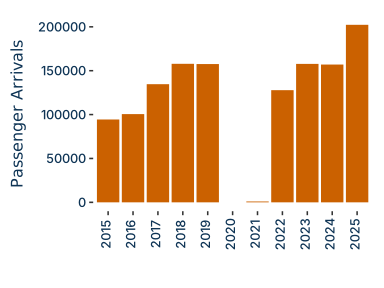
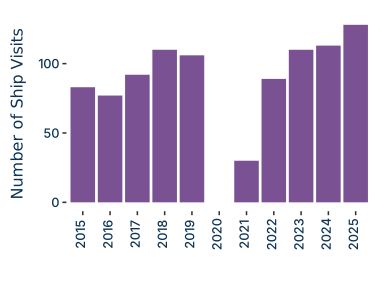
Figure 2. Cruise ship visits to Portland were canceled entirely in 2020 but both the number of ships visiting the city and the number of visitors recovered quickly, and numbers now exceed pre-pandemic levels.

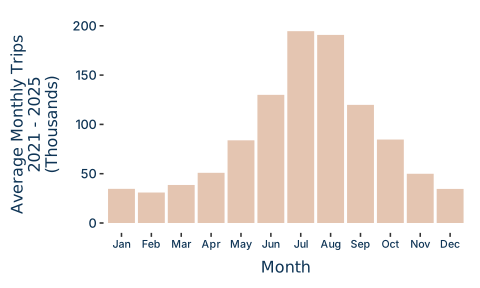
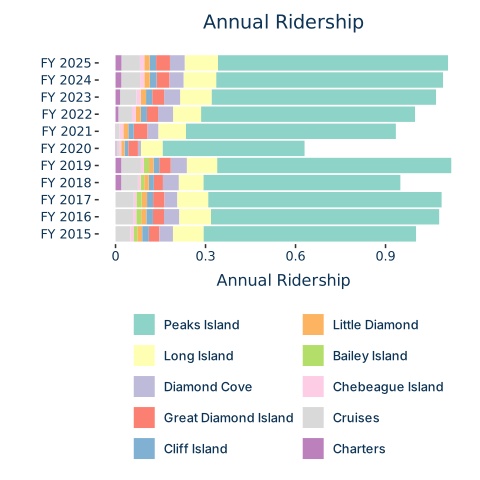
Figure 3. Ferry Ridership to the Casco Bay Islands peaks in the summer months, reflecting seasonal tourism. After a sharp decline in 2020, ridership has returned to pre-pandemic levels.

The ocean economy is sensitive to economic conditions. It has shown resilience over time, with temporary declines during the 2008 economic downturn and the COVID-19 pandemic but has since recovered.

While full economic data is not available after 2021, more recent data on cruise ship visits and Casco Bay Ferry lines ridership documents the rapid recovery of tourism after the end of the pandemic. The sharp decline in tourism, marine transportation, and living resource industries during the COVID-19 pandemic, and subsequent rebound, underscores both the vulnerability and resilience of the region’s marine economy.

Additionally, ensuring that economic benefits are broadly shared remains a challenge, including expanding equitable access to the Bay and supporting year-round and higher-wage employment opportunities.

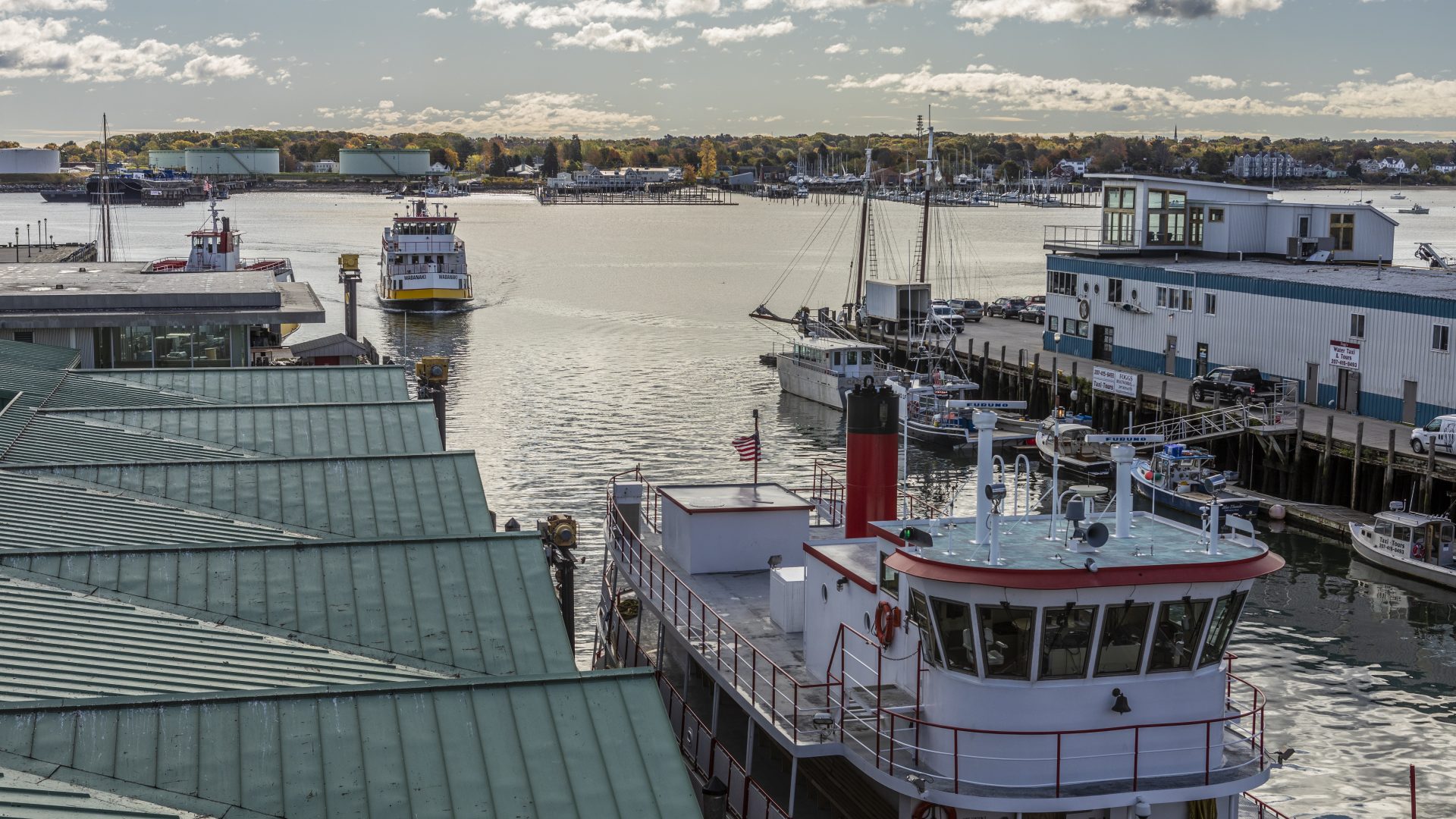
The Maine State Ferry makes it's way into its dock in Portland, Maine.
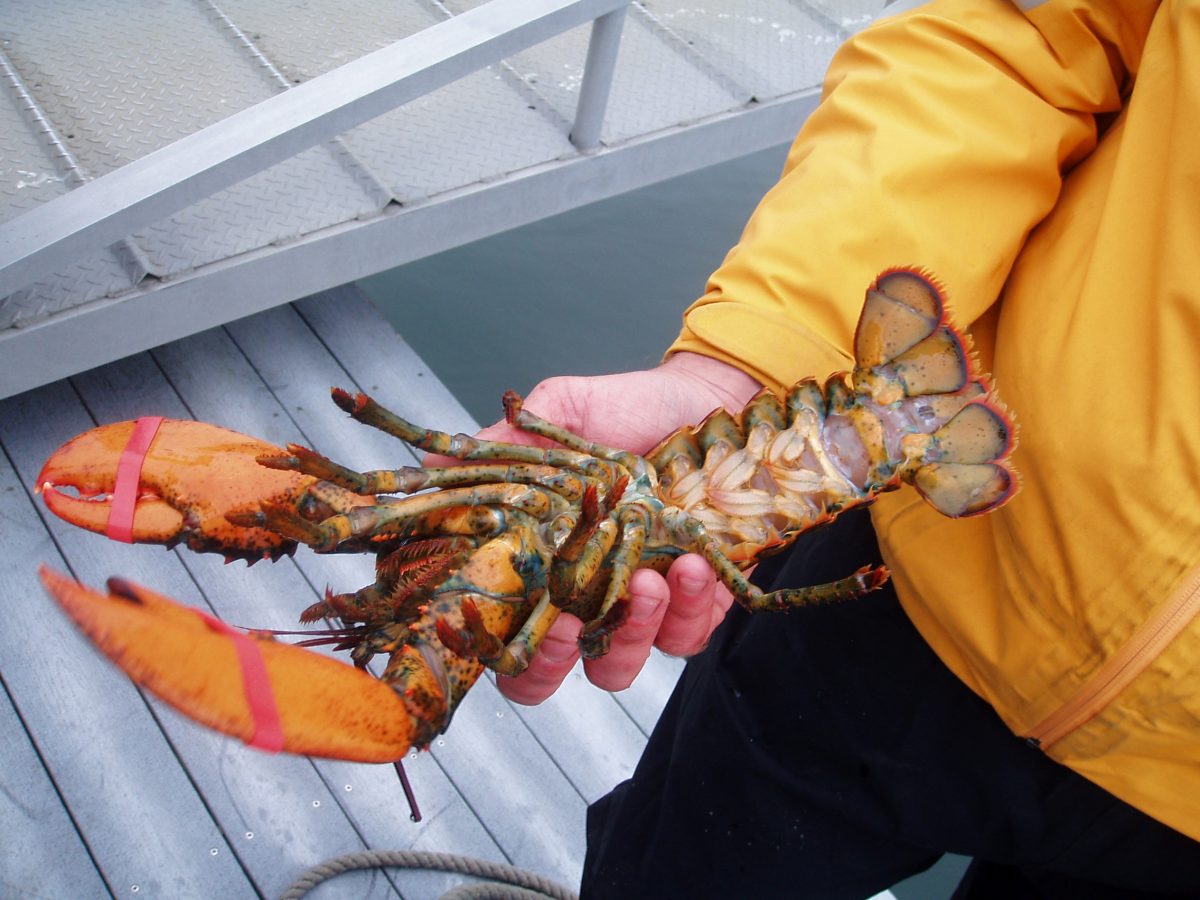
Ch. 16 lobster find credit
Image may be used for non-commercial and media purposes only. Credit should state, "Cecilla Talopp/Marine Photobank"

Shellfish Harvesting Remains Important to the Working Waterfront

Shellfish harvesting remains an important part of Casco Bay’s working waterfront, with municipalities continuing to manage and issue licenses for local harvesters. At the same time, aquaculture is expanding, with steady growth in both limited-purpose and long-term leases reflecting increasing interest in marine aquaculture. Together, these trends highlight both the continuity of traditional fisheries and the emergence of new opportunities within the region’s “living resources” economy (see Living Resources chapter).


Aquaculture Offers New Opportunities

Regular Youth Seniors
Town Resident Nonres. Resident Nonresid. Any Resident Nonresid. Total
Brunswick 60 7 9 1 5
Bushel 1 5
Chebeague Island 5 3 5
Cumberland 1 1 5
Falmouth 0 0 5
Freeport 52 7 5 1 4 5
Harpswell 49 5 10 1 7 2 5
Phippsburg 20 3 5 5
West Bath 11 3 3 3 5
Yarmouth/N.Yarmouth 4 1 5

Figure 4. “Youth” licenses include “Junior”, “Student” and “Apprentice” licenses. Brunswick’s “Bushel” license allows a maximum of one bushel of clams to be harvested on a tide.

Growing interest in aquaculture offers an opportunity to diversify the economy, especially for peninsula and island communities strongly dependent on two anchor industries – lobster and tourism. Towns are responsible for managing their own intertidal shellfish harvests. Most Casco Bay towns issue both commercial and recreational shellfish licenses, with most licenses restricted to town residents. The towns in Northern Casco Bay make available the largest number of commercial shellfish licenses.

Number of commercial intertidal shellfish harvesting licenses issued by town (2025 or 2026 seasons, depending on the town)

AQUACULTURE OFFERS NEW OPPORTUNITIES

Growing interest in aquaculture offers an opportunity to diversify the economy, especially for peninsula and island communities strongly dependent on two anchor industries – lobster and tourism.

Towns are responsible for managing their own intertidal shellfish harvests. Most Casco Bay towns issue both commercial and recreational shellfish licenses, with most licenses restricted to town residents. The towns in Northern Casco Bay make available the largest number of commercial shellfish licenses.

LOOKING AHEAD TO 2030

The next report will track how tourism, fisheries, aquaculture, and other ocean-related industries are changing as the region’s economy and climate continue to evolve. CBEP will also look at whether the benefits of the ocean economy are being broadly shared and whether growing climate pressures are affecting the industries and ecosystems on which it depends.

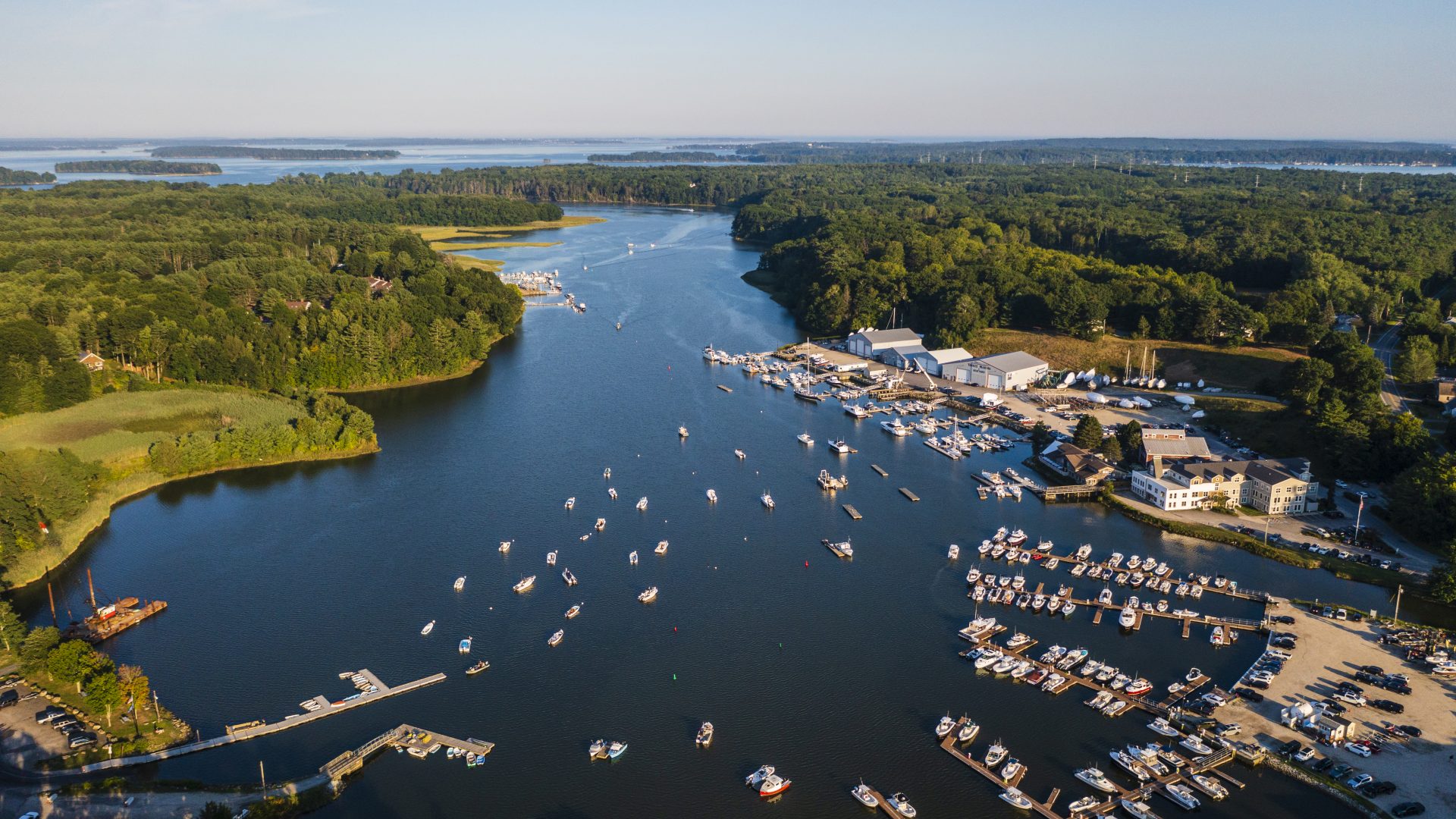
The Yarmouth town boat landing and Yankee Marina on the Royal River in Yarmouth, Maine.