Fecal Indicator Bacteria Thresholds are Being Exceeded More Frequently in Shellfish Monitoring, but Remain Steady at Beaches
At a Glance
Fecal indicator bacteria levels are threatening shellfish harvest opportunities in Brunswick, Freeport, and Yarmouth.
Beach advisories due to bacterial presences have remained steady.
Towns are working to remediate sources of contamination that are contributing to high bacteria levels.
Since the 2021 Report
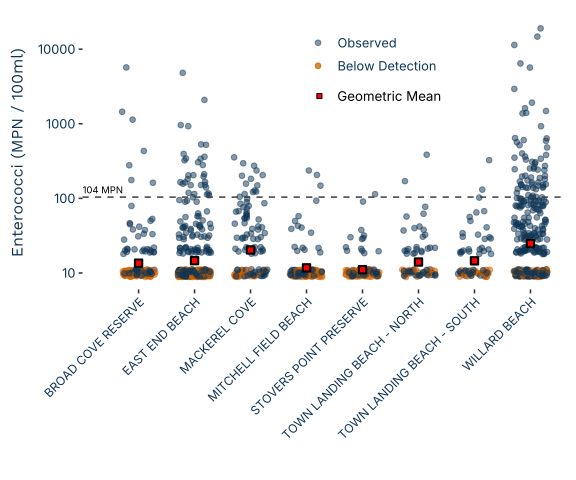
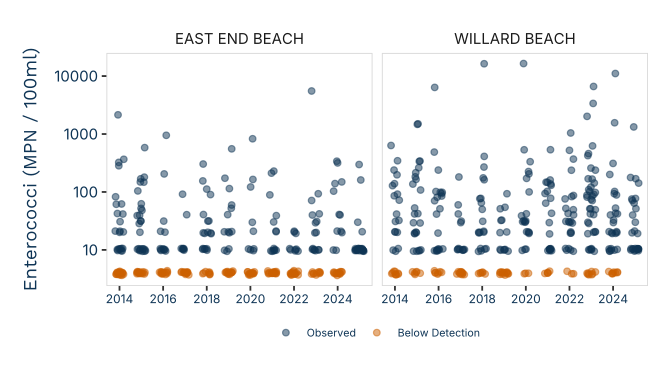
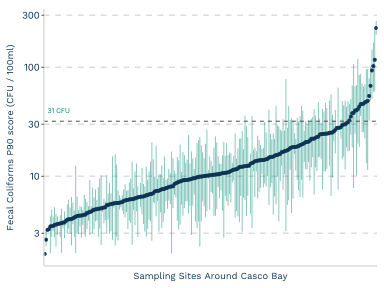
Fecal indicator bacteria thresholds for shellfish harvesting were exceeded more frequently between 2020 and 2025 than between 2015 and 2019, potentially indicating a decline in water quality. The increase in bacteria level exceedances may be partially driven by some periods with unusually high rainfall over the last few years, as frequent or heavy precipitation can mobilize fecal bacteria from upland sources and quickly transport them to the Bay. At beaches, the proportion of samples that exceed the Beach Action Value at each site has remained relatively stable.
Pollution of coastal waters by fecal bacteria can pose a health risk to humans and animals, and can introduce pathogens into the food web. People and pets who swim, wade, or accidentally ingest polluted water can suffer gastrointestinal, respiratory, or eye infections. Shellfish are filter feeders that can pick up and concentrate pathogens from their environments, so eating shellfish grown in polluted waters can expose people to high levels of pathogens and cause serious gastrointestinal disease.
While infections caused by polluted water or shellfish are typically mild, they can be dangerous for children and immuno-compromised individuals. The state of Maine monitors for pathogens by tracking Fecal Indicator Bacteria (FIB) concentrations in coastal waters through the Maine Healthy Beaches Program (under Maine Department of Environmental Protection; DEP) and the Maine Shellfish Growing Area Program (under Maine Department of Marine Resources; DMR). Higher levels of FIB indicate potential fecal contamination and increased risk of pathogen presence.
Methods used by the two agencies to track bacteria levels differ, so the numbers they report are not directly comparable. Maine Healthy Beaches collects data on Enterococcus bacteria, which is the EPA recommended FIB for marine recreational waters, and the Maine Shellfish Growing Area Program tracks fecal coliform bacteria.