Chapter 16. Invasive Species

Invasive Species Remain a Persistent Threat to Casco Bay

A Changing Climate May Control Invader Abundance

At a Glance

Volunteer efforts create the capacity to do long-term and large-scale monitoring, collecting thousands of observations each year. These efforts help researchers detect new invasions, track changes, and identify emerging threats while also educating the community and coastal stakeholders about invasive species and how to prevent new introductions or the spread of existing ones.

Recent warming trends in the Gulf of Maine are believed to be contributing to the range expansion of some species and increased the abundance and persistence of established invasive species.

The particularly cold winter of 2024-2025 was followed by a lower number of invasive species and range-expanding species that summer. These year-to-year shifts highlight the strong influence of changing water temperatures on the distribution and abundance of marine species seen in Casco Bay.

Since the 2021 Report

Volunteer involvement in invasive species monitoring through the MIMIC program declined in 2022, in both the quantity of volunteers and observation sites, following the removal of several monitoring sites. Since then, volunteer participation has steadily increased and additional sites have been added to the program. Since 2021, there have been over 1,000 individual species observations through this program.

Invasive species are organisms that are not native to an area and are introduced primarily through human activity, often by the accidental transportation of species from one place to another. Marine invasive species, in particular, are commonly spread through global shipping, recreational boating, and other forms of marine transportation. These activities have greatly increased the movement of species around the world, allowing invasives to hitchhike on ship hulls, in ballast water, or on marine equipment.

Key characteristics of invasives include aggressively outcompeting native species for habitat and resources, and rapid growth in populations. This can harm native ecosystems by altering the structure of the food web, causing negative impacts to the environment, the economy, and public health.
Community Volunteer Scientists Crucial to Invasive Monitoring Efforts

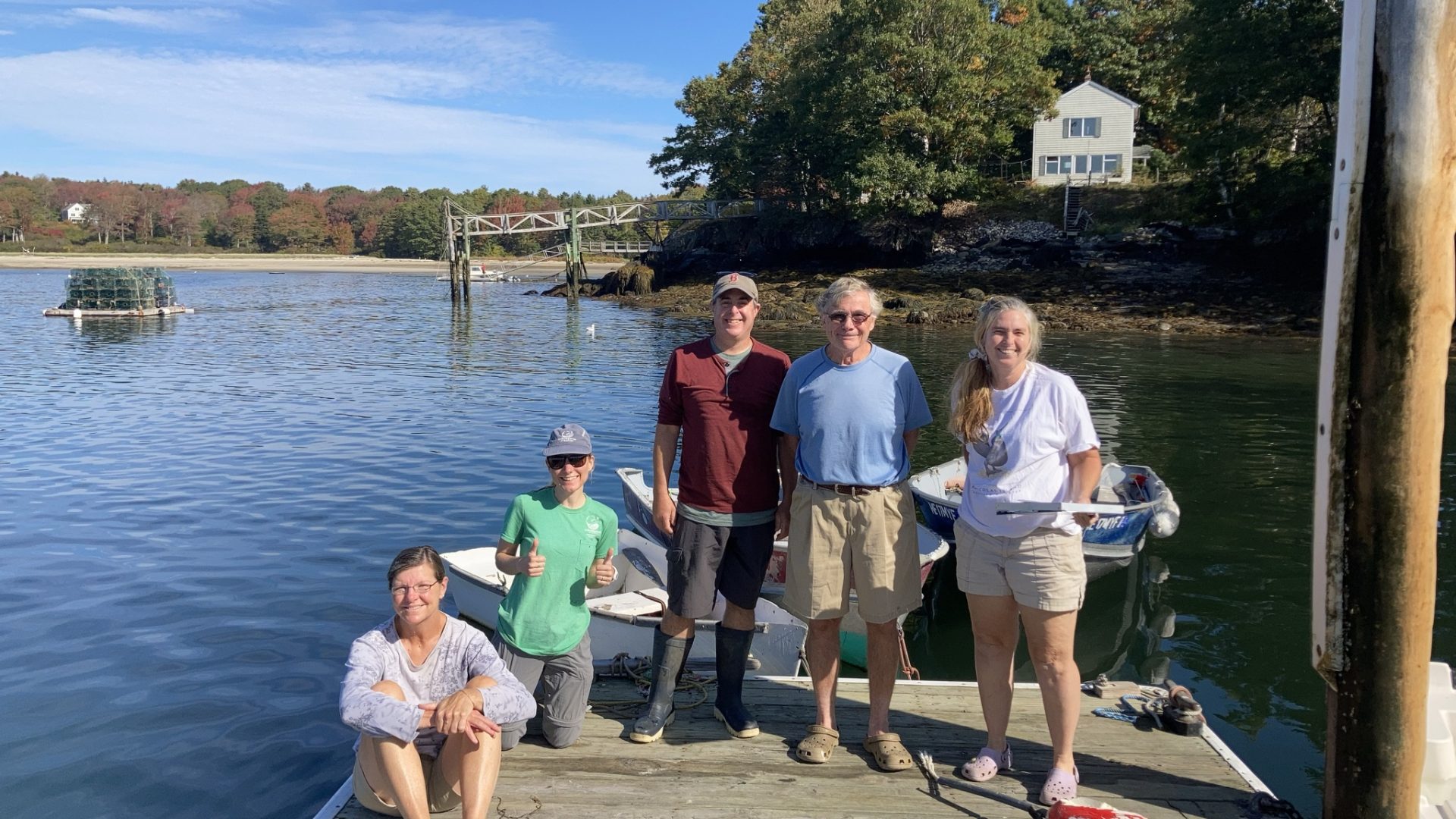
The Wells National Estuarine Research Reserve (Wells NERR) leads one of Casco Bay’s largest invasive species data collection efforts. The Marine Invader Monitoring and Information Collaborative, also known as MIMIC, engages community scientists along the coast and trains them to identify and record several species of marine invasives.

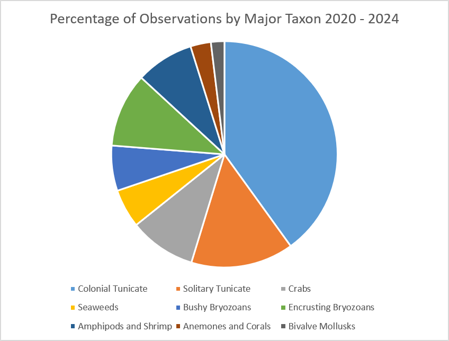
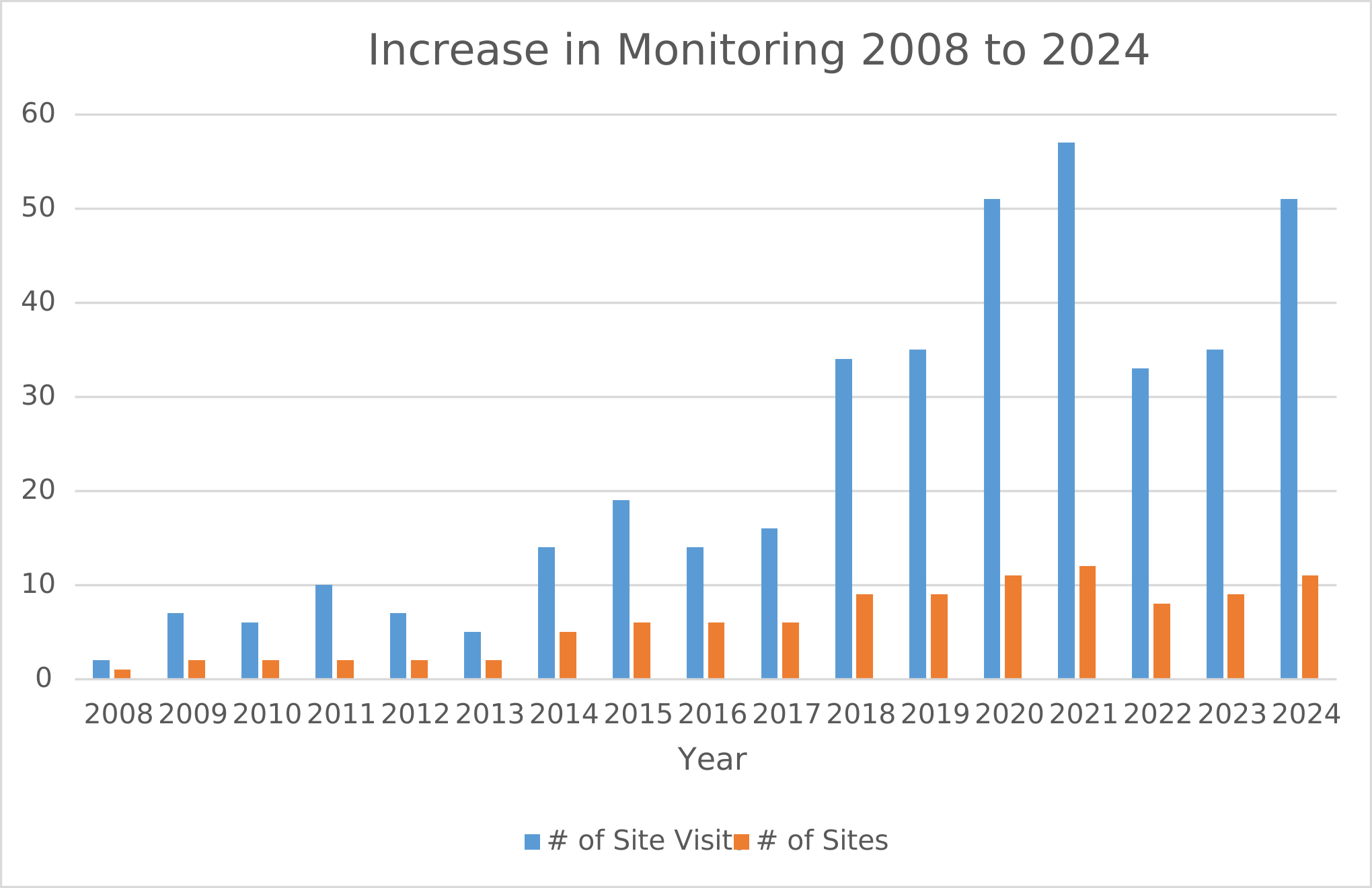
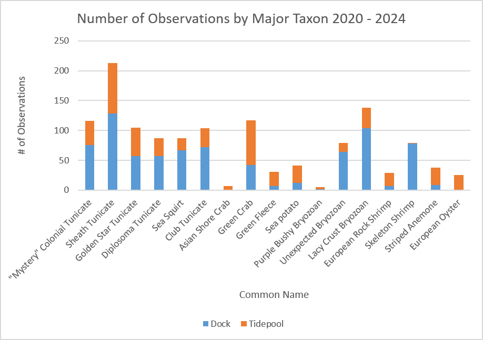
The community scientists visit their sites once a month from May to October to sample for the presence and abundance of 23 invasive species. Volunteers are trained to identify species including tunicates, bryozoans, algae, and crustaceans. The data collected since 2008 suggests that invasive species are now established throughout much of Casco Bay. While individual species fluctuate from year to year, the overall number of observations have increased over the past decade.

Source: MIMIC data from Jeremy

Frequency of volunteer monitoring of invasive species at sites across Caso Bay.

Ch. 13 IMG_5092
Photo: Jeremy Miller from Wells National Estuarine Research Reserve (aka "Wells NERR")

Case Study: Colonial Tunicate

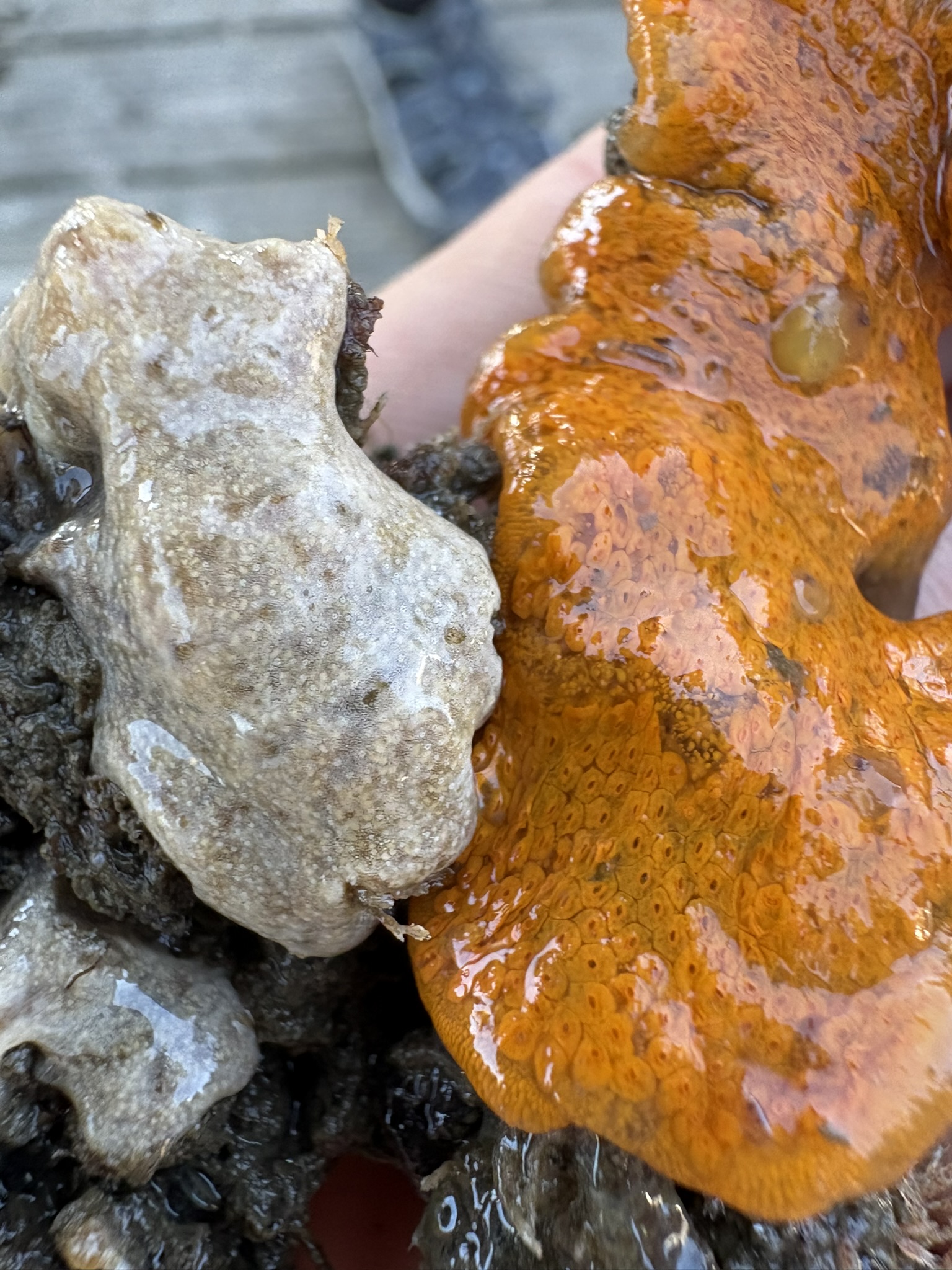
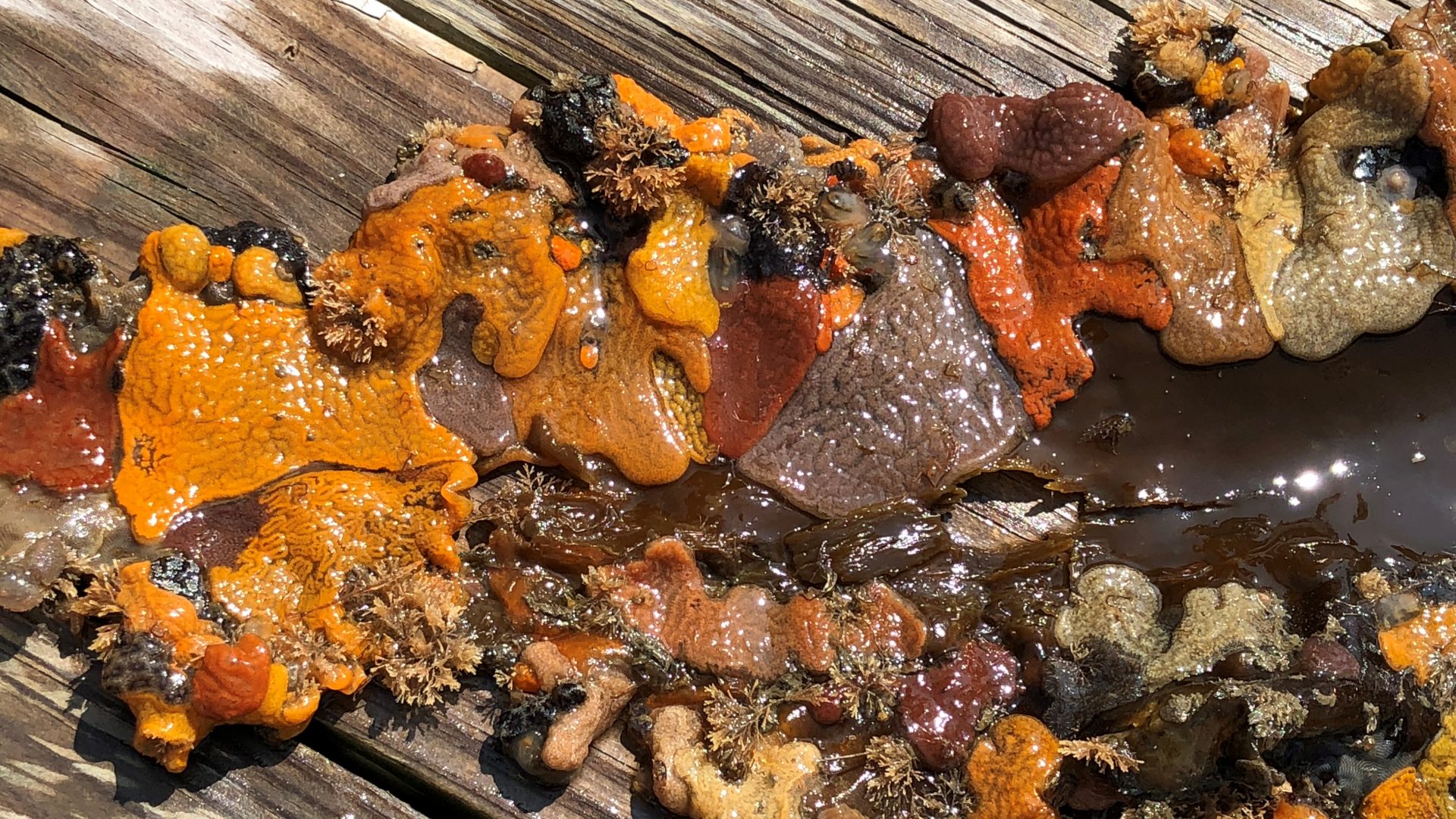
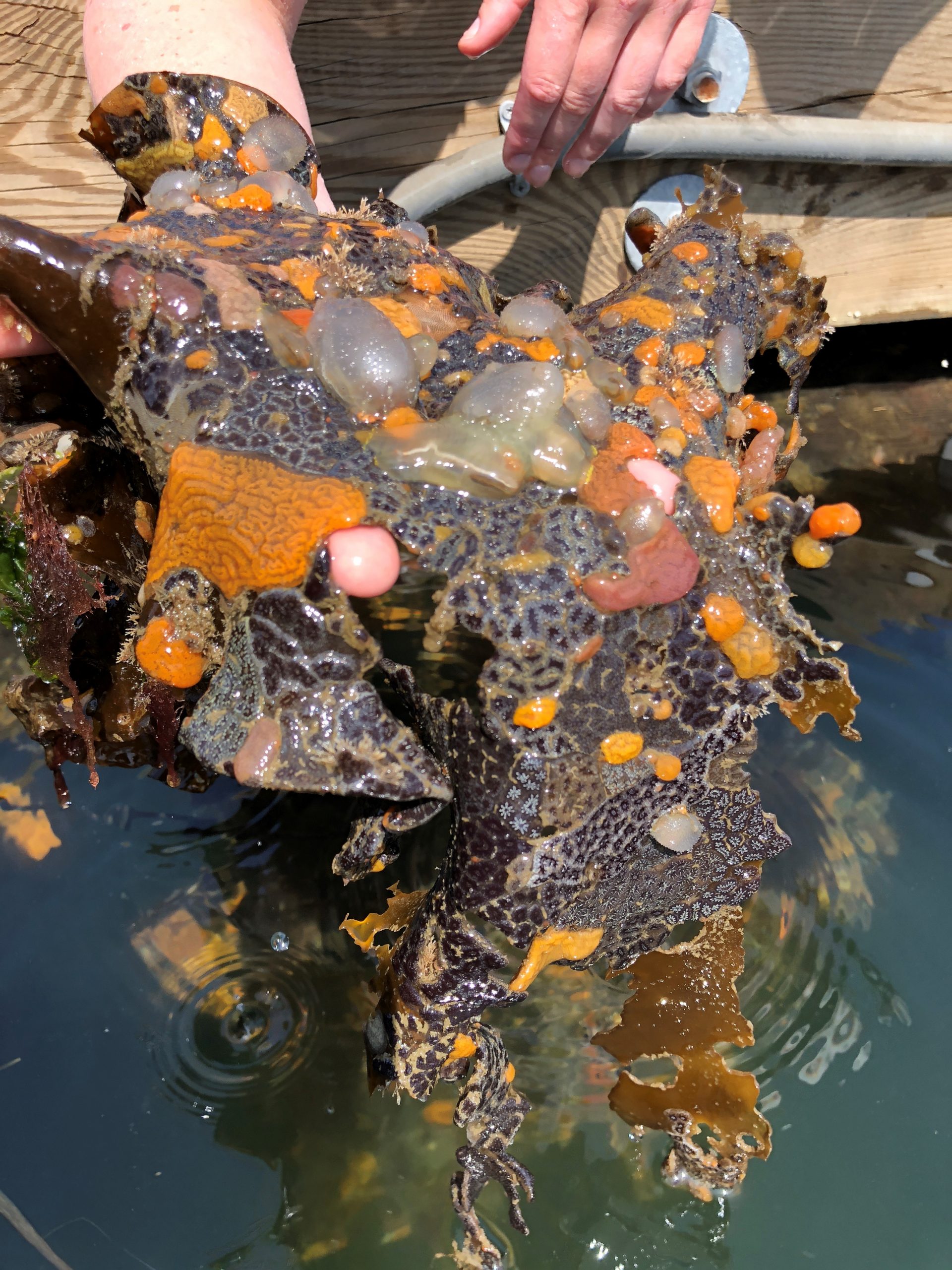
Didemnum vexillum (pictured on the right) has had a growing presence in Casco Bay since it appeared in 2014. Photo: Jeremy Miller from Wells National Estuarine Research Reserve (aka “Wells NERR”)

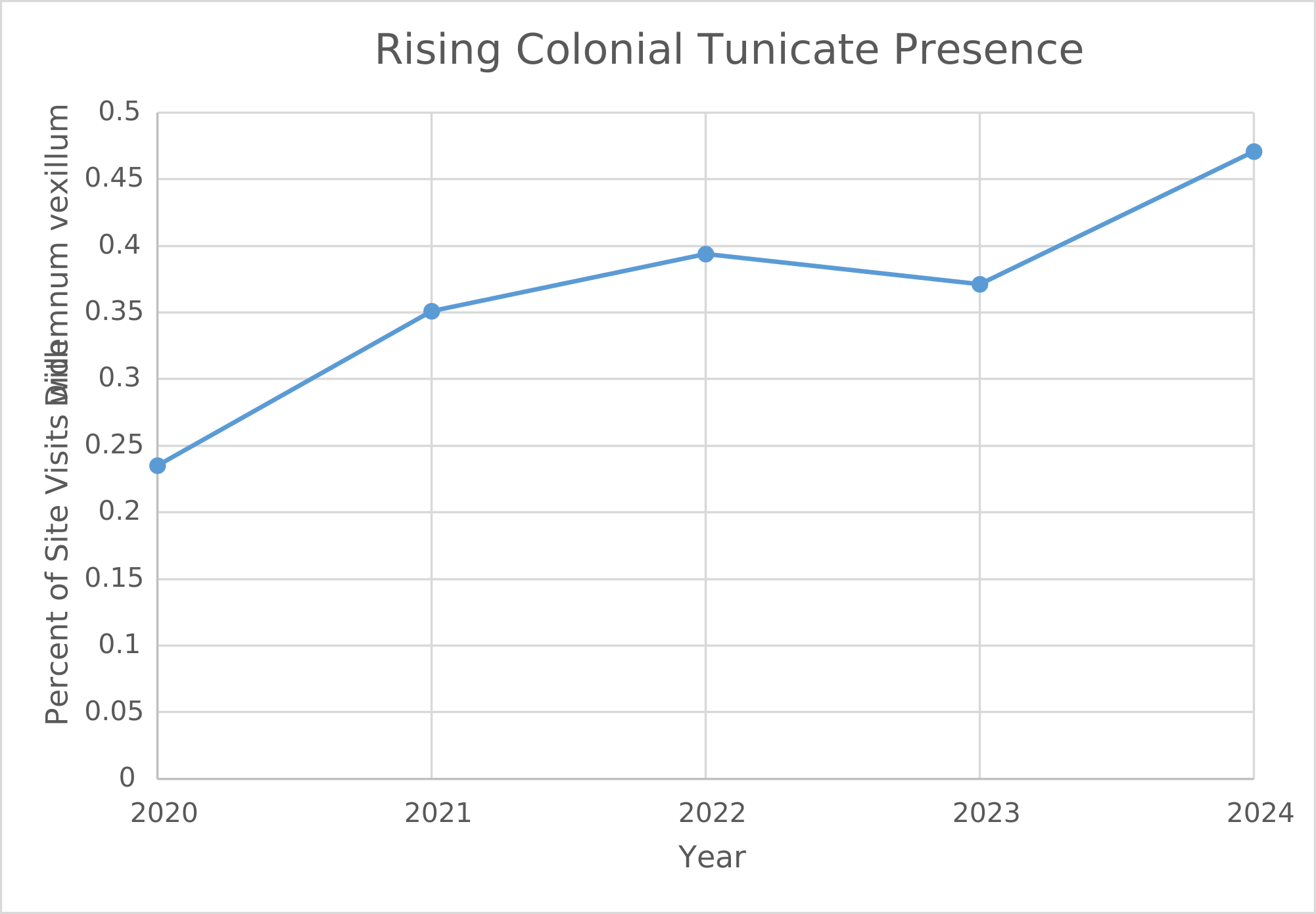
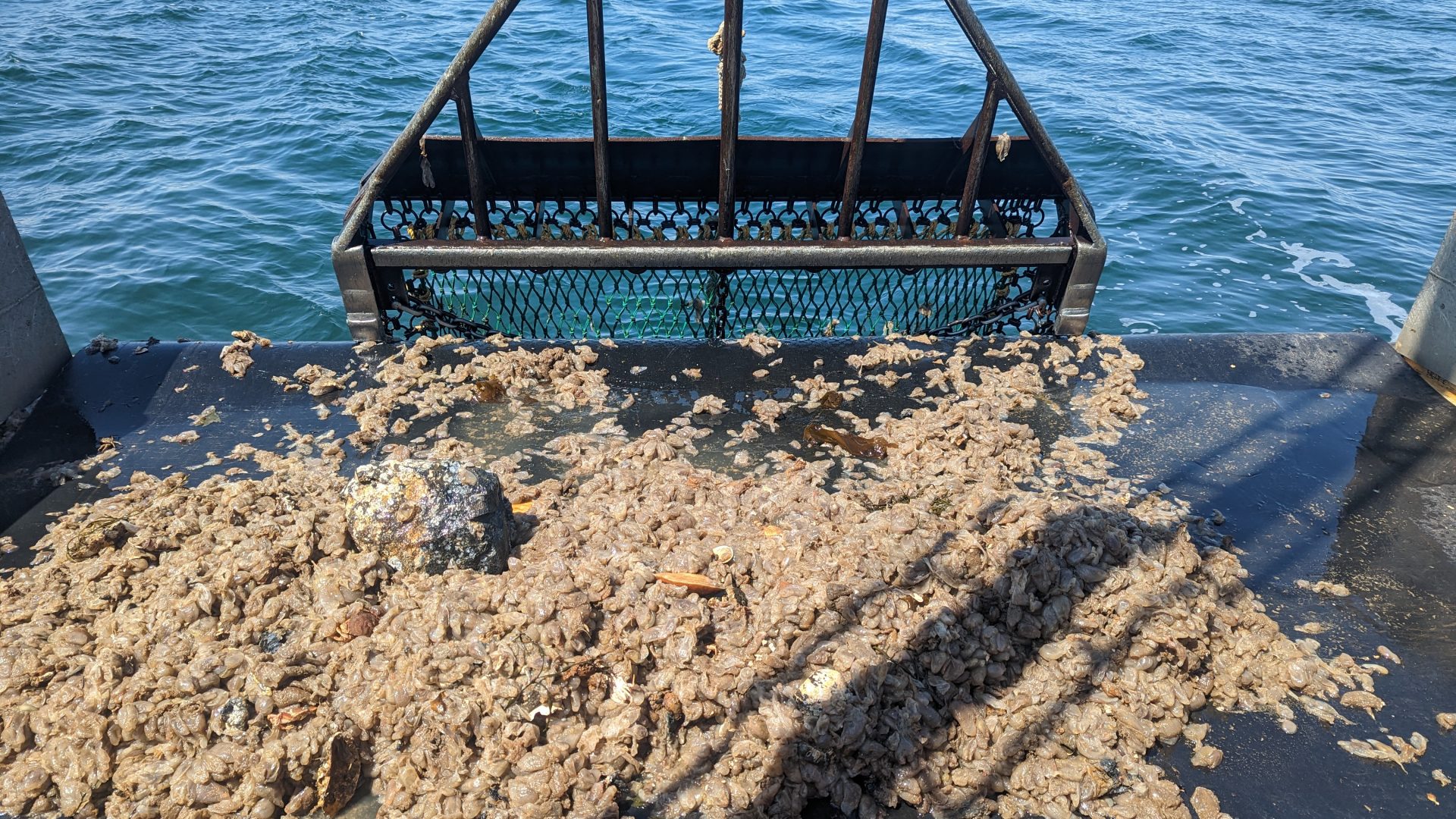
One of the clearest examples of how an invasive species can establish and spread in Casco Bay is the colonial tunicate Didemnum vexillum. According to MIMIC data, this species first appeared in Casco Bay in 2014 forming masses over rocks, shells, and other organisms. While initial sightings were rare, more observations were gradually documented in the following years and since 2020, there has been a steady upward trend. Not only has this colonial tunicate been observed more frequently over the years, but it becomes rapidly more abundant during the summer, and declines in the fall when the water gets colder. The rising presence of D. vexillum is a concern because it causes harm by fouling marine gear and overtaking habitat.

Observations of invasive Didemnum vexillum in Casco Bay from 2020 through 2024. Source: MIMIC data

Ch. 13 Tunicates_scallopdredge_huntsberg2023
Photo: Jeremy Miller from Wells National Estuarine Research Reserve (aka "Wells NERR")

Survey May Indicate Decline in Overall Biodiversity

The Gulf of Maine Rapid Assessment Survey (RAS) is a regional survey of invasive species that is conducted every 5 years and surveys the coast from Maine to New York during mid-summer. This program started in 2000 and is led by the Massachusetts Office of Coastal Zone Management and Massachusetts Institute of Technology Sea Grant College Program.

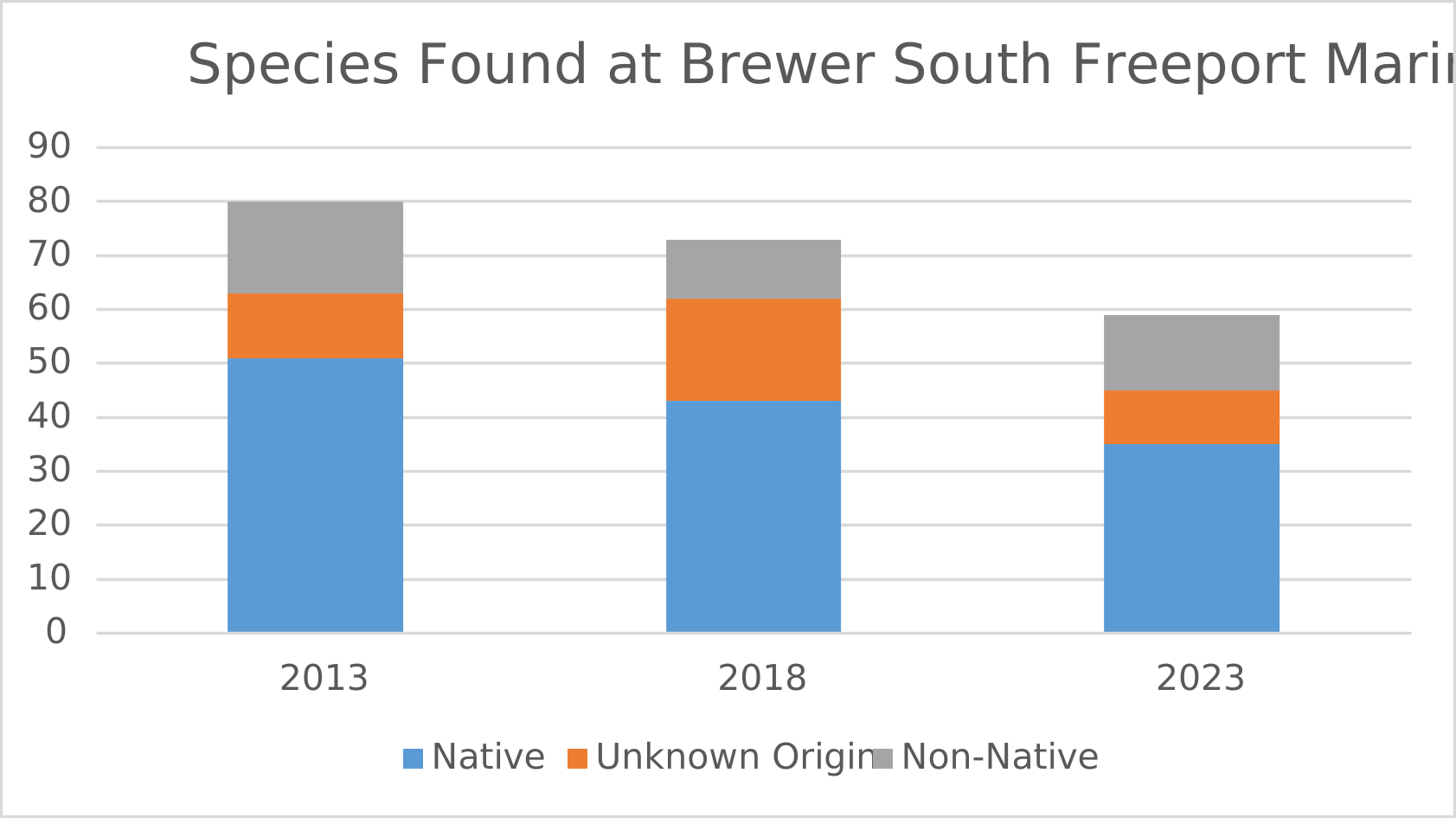
The Brewer South Freeport Marine survey location is the longest consistently monitored site in Casco Bay. The site has experienced a decline in native species observations and small fluctuations in invasive species observations over the last few surveys. As a result of these changes, invasive species made up a larger portion of the ecological community than native species in 2023. This may indicate that invasive species are maintaining their presence while overall biodiversity declines due to the loss of native species.

Source: RAS data from Jeremy

Native and nonnative species observed at the Brewer South Freeport Marine survey location.

Photo: Jeremy Miller from Wells National Estuarine Research Reserve (aka "Wells NERR")

Increased Sightings of Blue Crabs and Other Emerging Species

While many species that arrive in Casco Bay are introduced through human activities, some non-native species make their way into different environments on their own. These species, often known as “emerging species”, move as a result of changing environmental conditions which shifts the range of their ideal habitat.

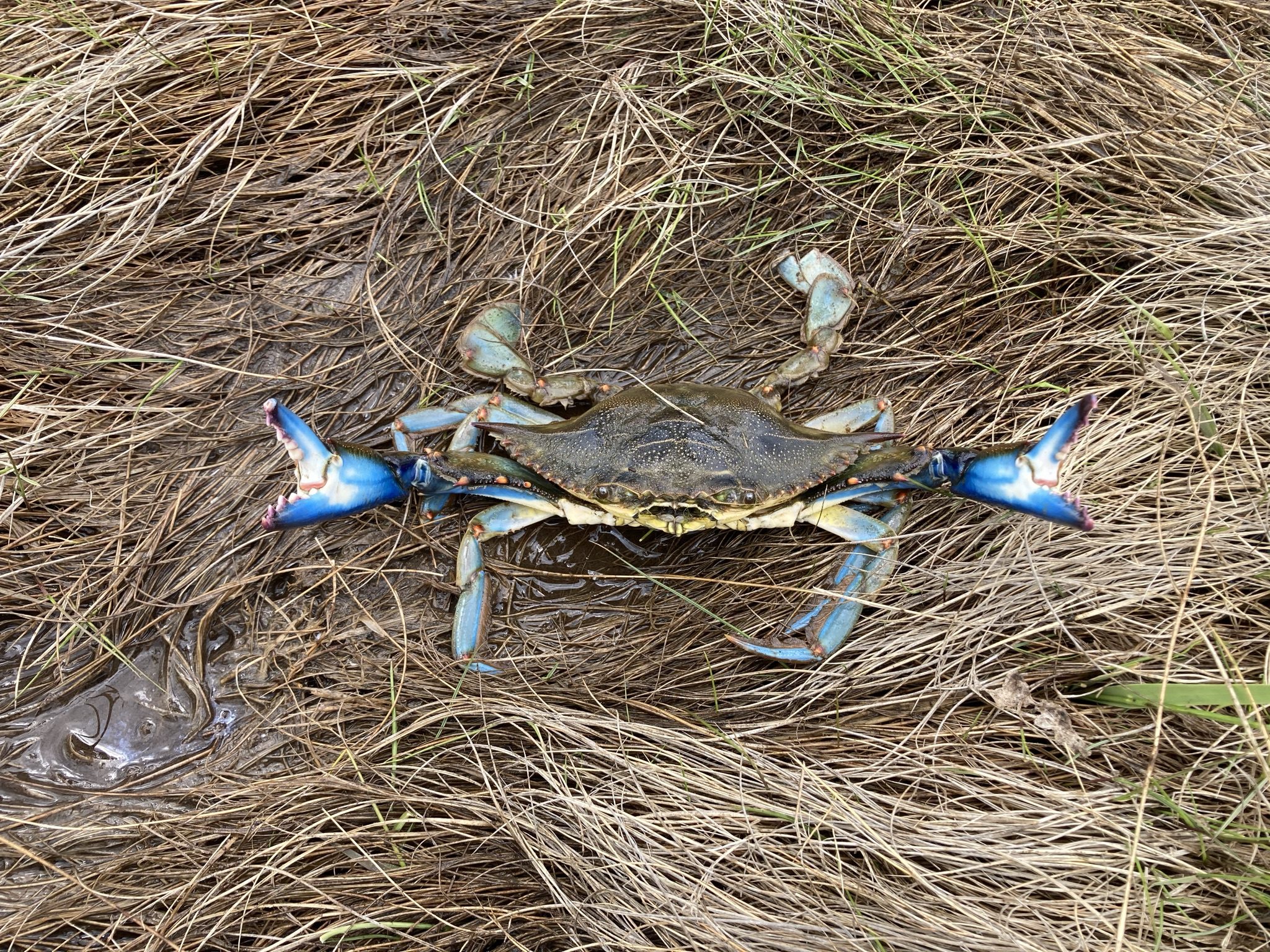
Blue crabs (Callinectes sapidus) are native to the western Atlantic Ocean, from south of Cape Cod to the Gulf of Mexico. While the species was once rarely observed in Maine, it is now being seen more frequently along the southern coast. This range expansion is part of a broader trend in the Gulf of Maine, where warming waters are creating more habitable conditions for species that were previously only found farther south. These changing conditions are believed to be contributing to the increasing presence of blue crabs in Casco Bay.

As waters warm, other non-native species can be expected to follow this trend. Other species of crab such as the fiddler crab (Uca pugnax), lady crab (Ovalipes ocellatus), and smooth mud crab (Hexapanopeus angustifrons) and species of fish like the black sea bass (Centropristis striata) have also been making their way up the coast in recent years.

Source: https://academic.oup.com/jcb/article-abstract/35/1/105/2547817?redirectedFrom=fulltext and email from Marissa

Environmental Conditions Impact Short-Term Growth of Invasive Species

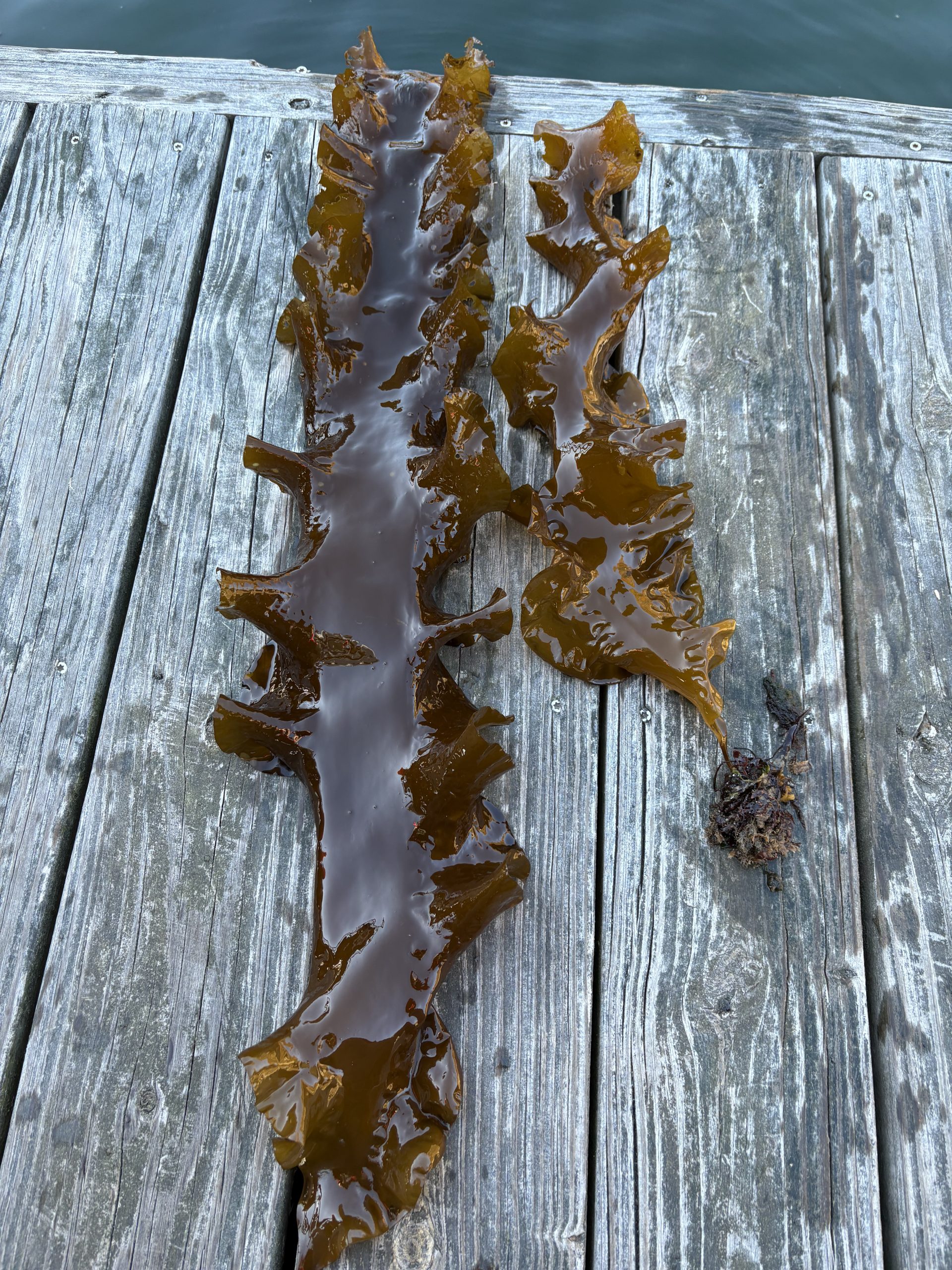
While long term trends show that invasives are becoming more abundant in Casco Bay, not every year is the same. The winter of 2024–2025 was colder than recent years and included periods of exceptionally low temperatures. These conditions appeared to affect many invasive species during the subsequent monitoring season. 

During the summer of 2025, MIMIC volunteers observed fewer invasive species and lower abundances compared to recent years. Several species that had become common at monitoring sites were observed less frequently, suggesting that colder winter temperatures may have reduced survival rates. Similarly, fewer blue crabs sightings were also reported by other partners that summer.

While a single year does not reverse the long-term trend of increasing invasions, it highlights how environmental conditions can temporarily slow the spread and growth of invasive populations. Understanding these relationships can improve our understanding of invasive species dynamics and predict how they may respond to future environmental changes.


Comparison of kelp conditions in August 2023, showing substantial fouling, and August 2025, where kelp remained relatively free of invasives following an unusually cold winter.

2023 Kelp Fouling in August | Photo: Jeremy Miller


2025 Clean Kelp in August | Photo: Jeremy Miller

LOOKING AHEAD TO 2030

There are regulations in place to limit the spread of invasive species and efforts to control or reduce impacts, but invasive species are expected to continue to arrive and spread in Casco Bay in the coming years. Continued monitoring efforts from our partners, like those of the MIMIC volunteers, are important to tracking these invasive species or recording the appearance of new ones, and to understanding how systems respond to their presence. Wetlands, riparian zones, lakes, and other ecosystems in the Casco Bay watershed are also impacted by invasive species, and efforts are evolving to monitor these invasions as well.