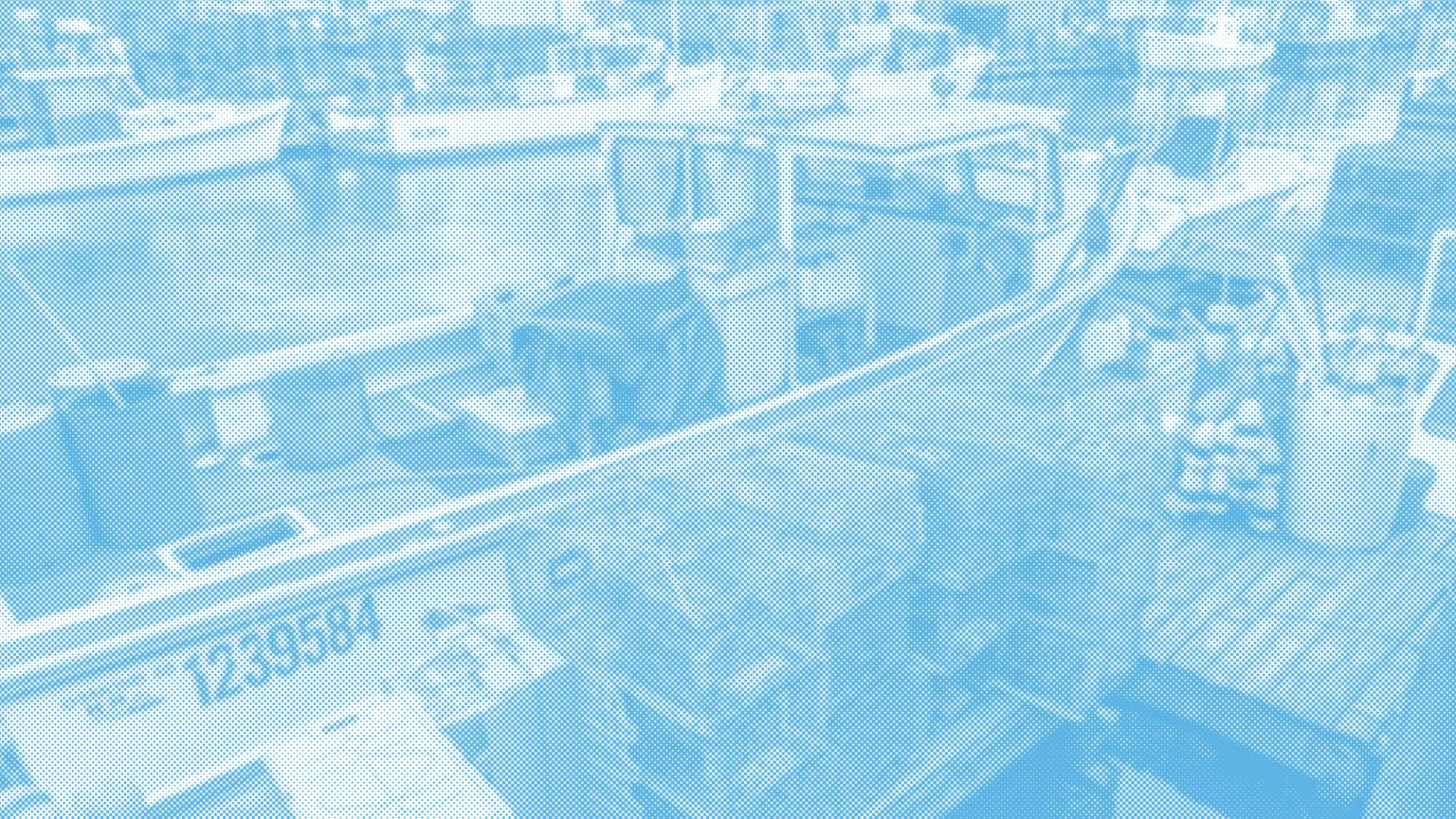
Living Marine Resources Remain an Important Part of Casco Bay’s Culture
At a Glance
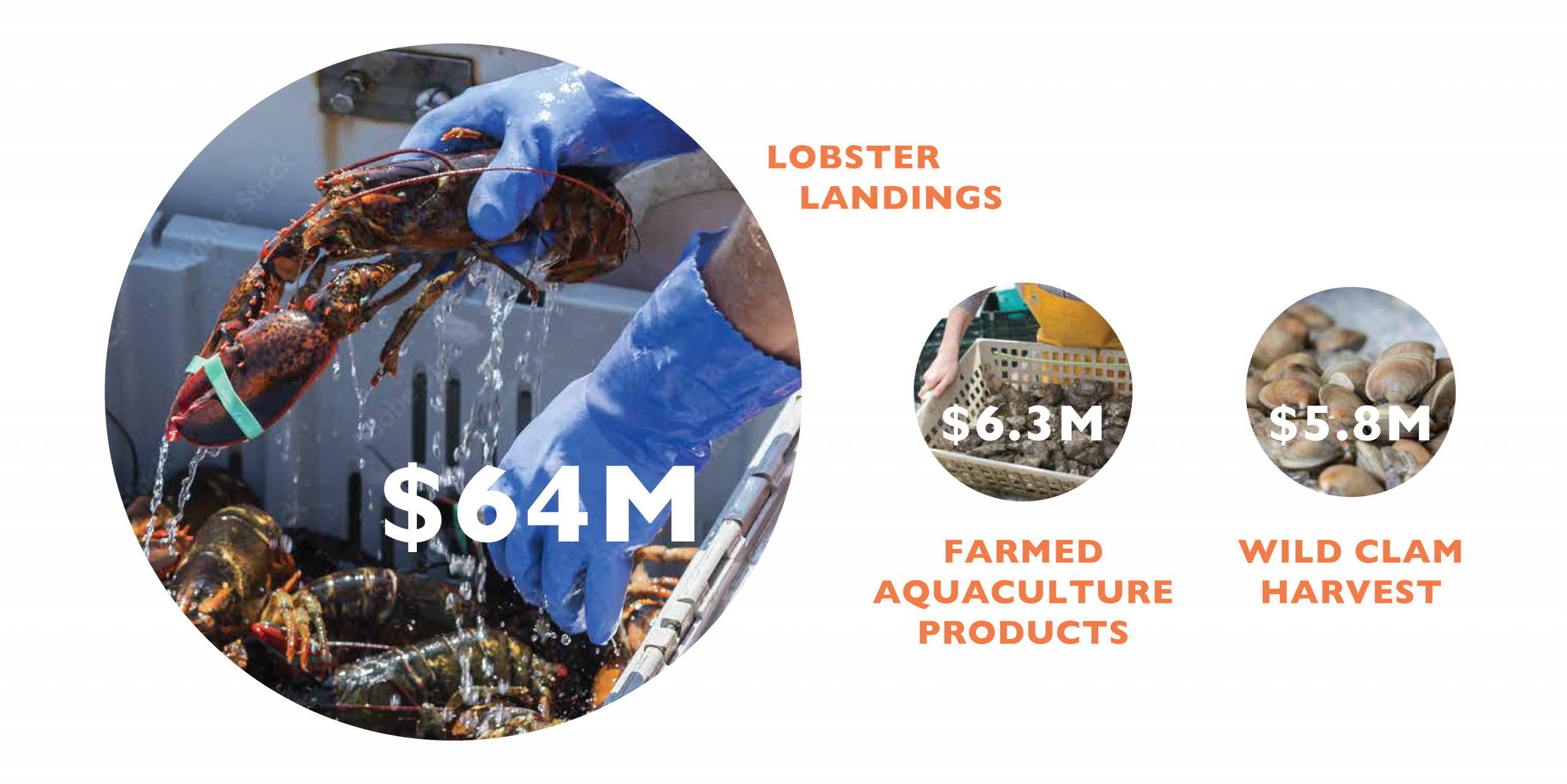
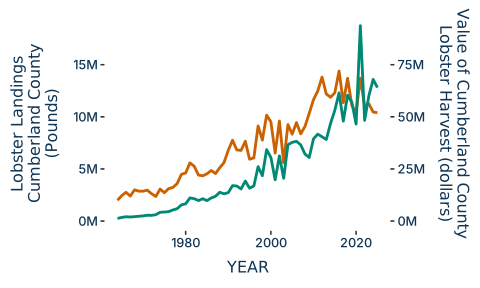
In 2025, farmed aquaculture products ($6.3 million), wild harvest of clams ($5.8 million), and lobster landings ($64 million) contributed an estimated $76 million to the economy of Casco Bay communities.
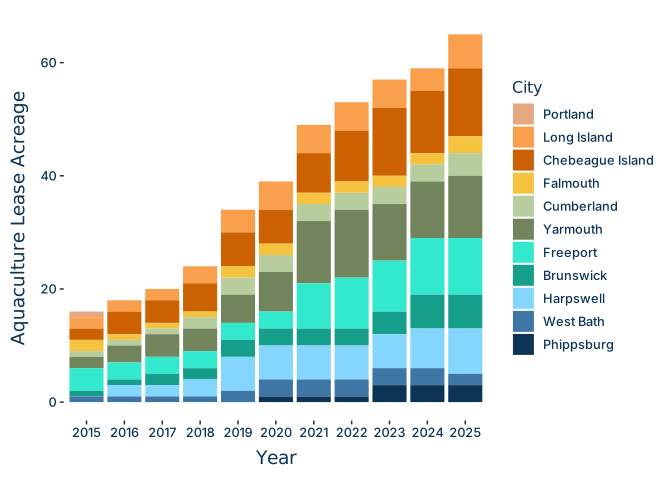
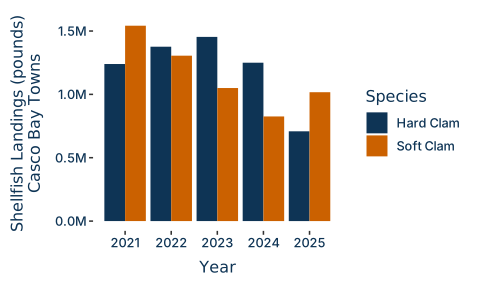
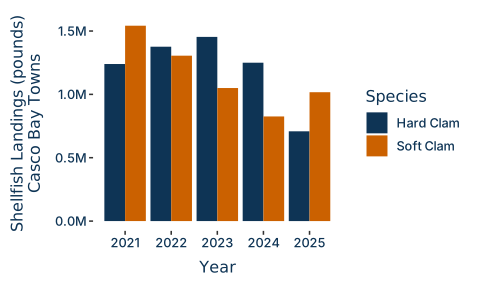
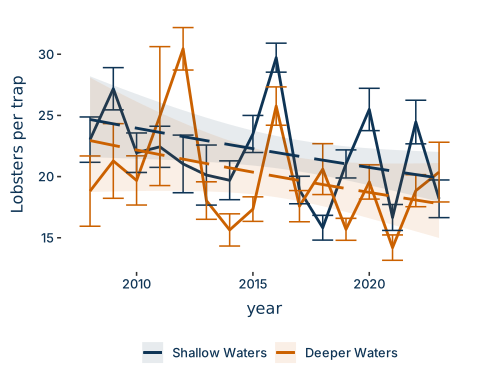
Aquaculture in Casco Bay is increasing steadily, while clam harvests and lobster populations have both shown dips or declines in recent years.
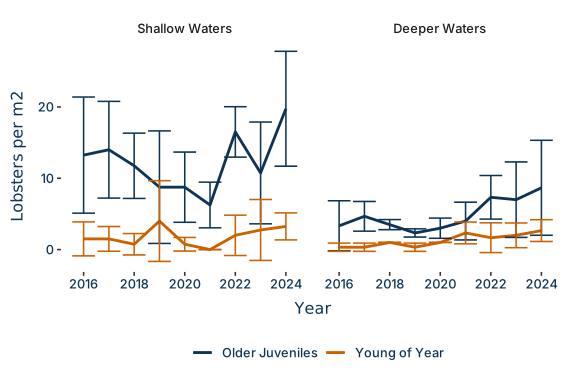
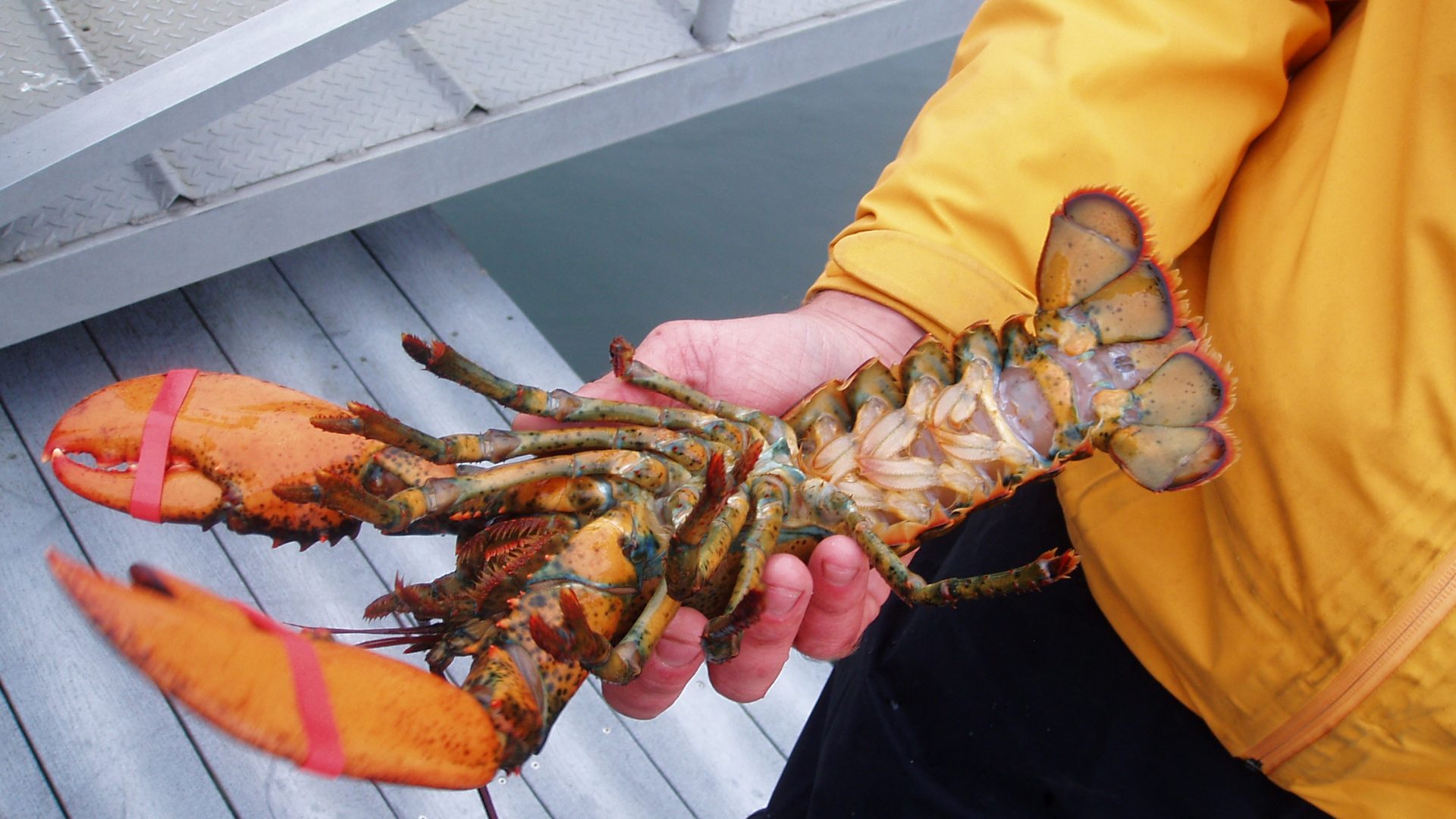
While the total lobster population may have declined, the stable or slightly increasing trends of lobster settlement provide a tentatively positive outlook for the health of lobster populations in Casco Bay.
Since the 2021 Report
This chapter was not included in the 2021 State of Casco Bay report, but has been added here as more relevant data has become available.
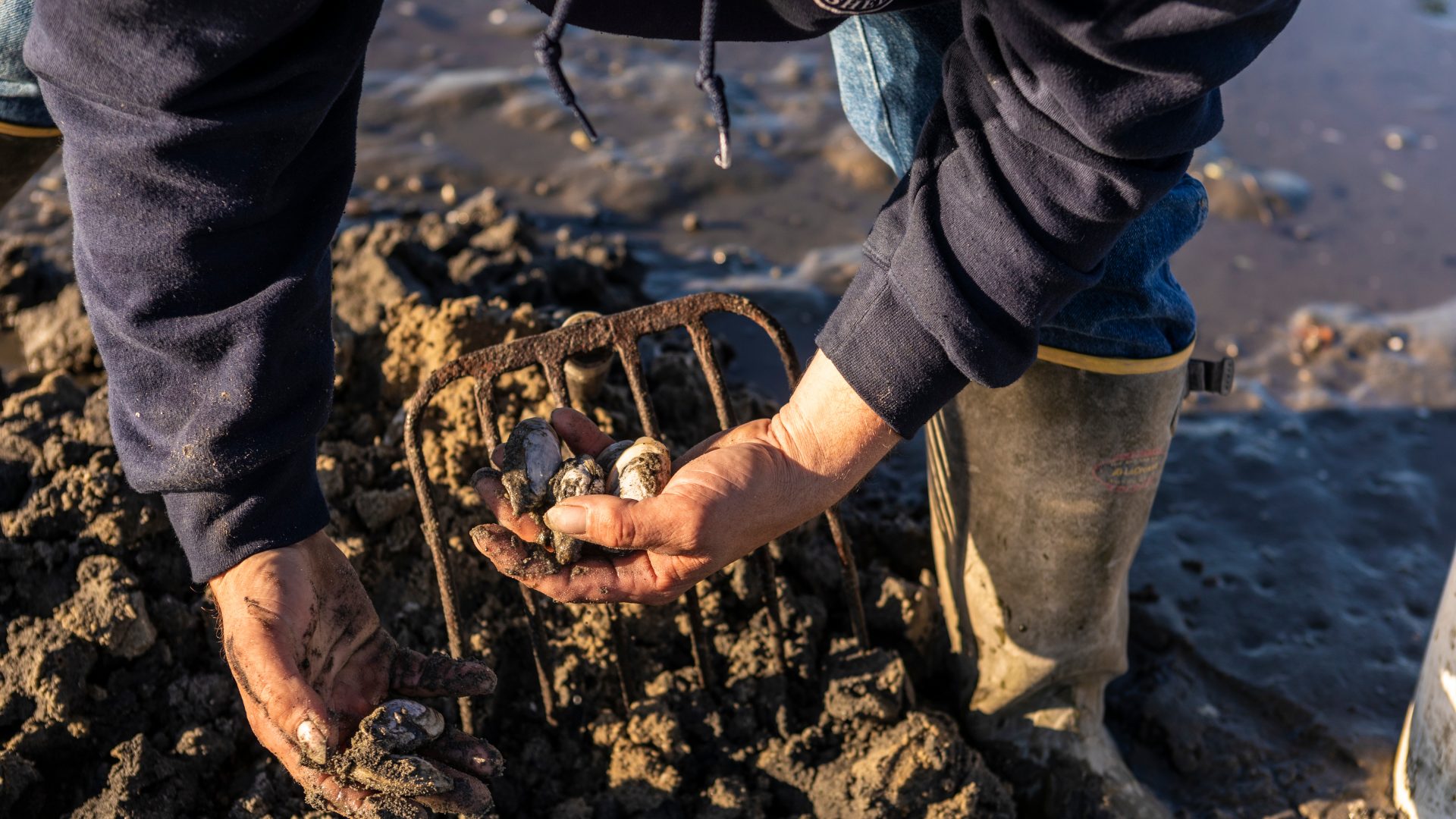
Fisheries are intrinsically linked to the history, culture, and economy of Maine’s coast. Maintaining the ecological and economic health of harvestable living resources goes hand in hand with maintaining the health of Casco Bay’s coastal communities. Lobster is the most valuable fishery in the state by an order of magnitude, but wild clam harvest and marine farming (aquaculture) have each contributed $20 – $25 million to the state’s economy on an annual basis in recent years.
The Maine Department of Marine Resources (DMR) is responsible for tracking and managing the fishing and harvesting of these living marine resources. The information in this chapter largely comes from data they collect and share, supplemented by lobster larval settlement data from University of Maine.