Tidal Marshes Are at Risk Due to Sea Level Rise, a Threat Compounded by the Impacts of Centuries of Human Use and Modification
At a Glance
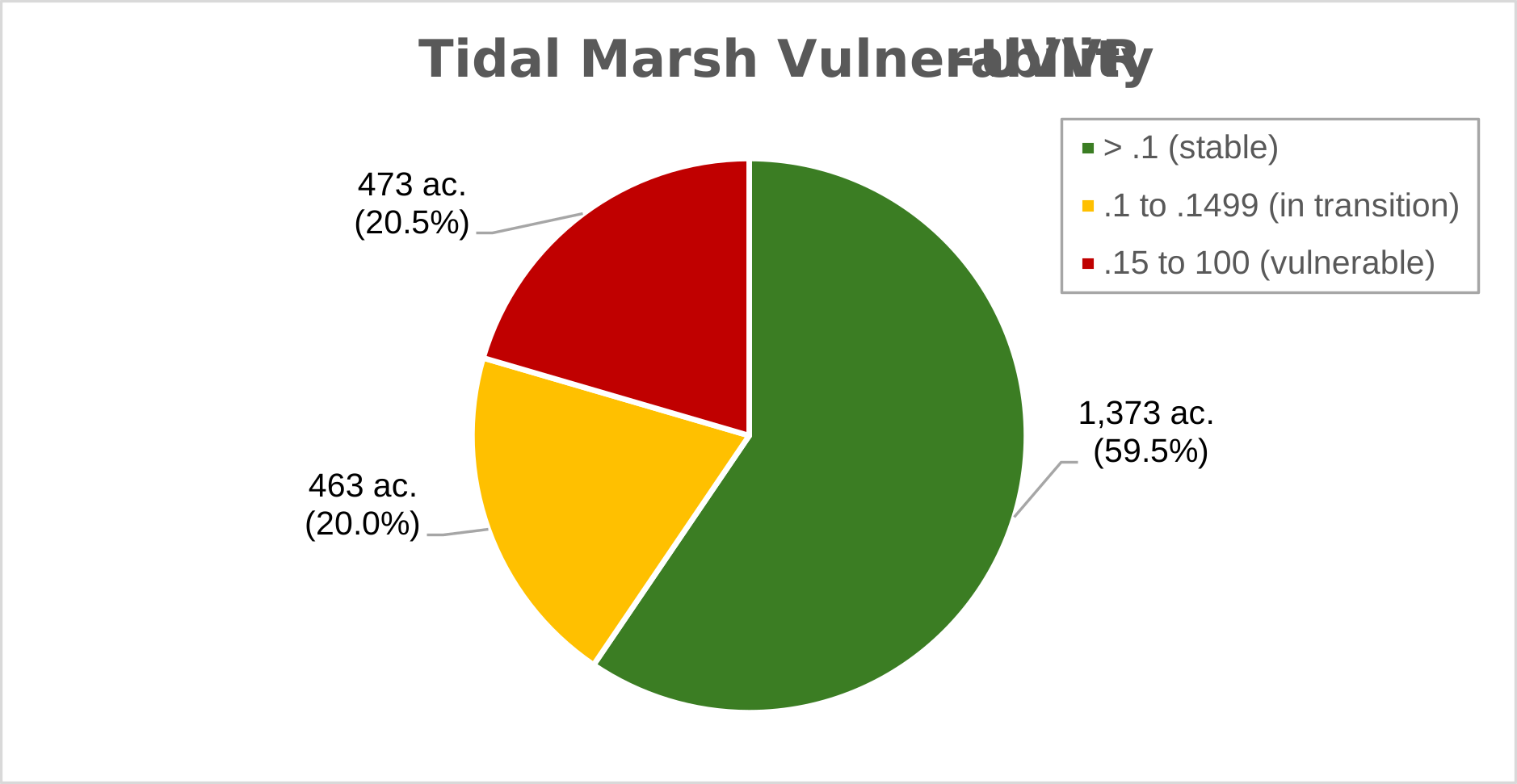
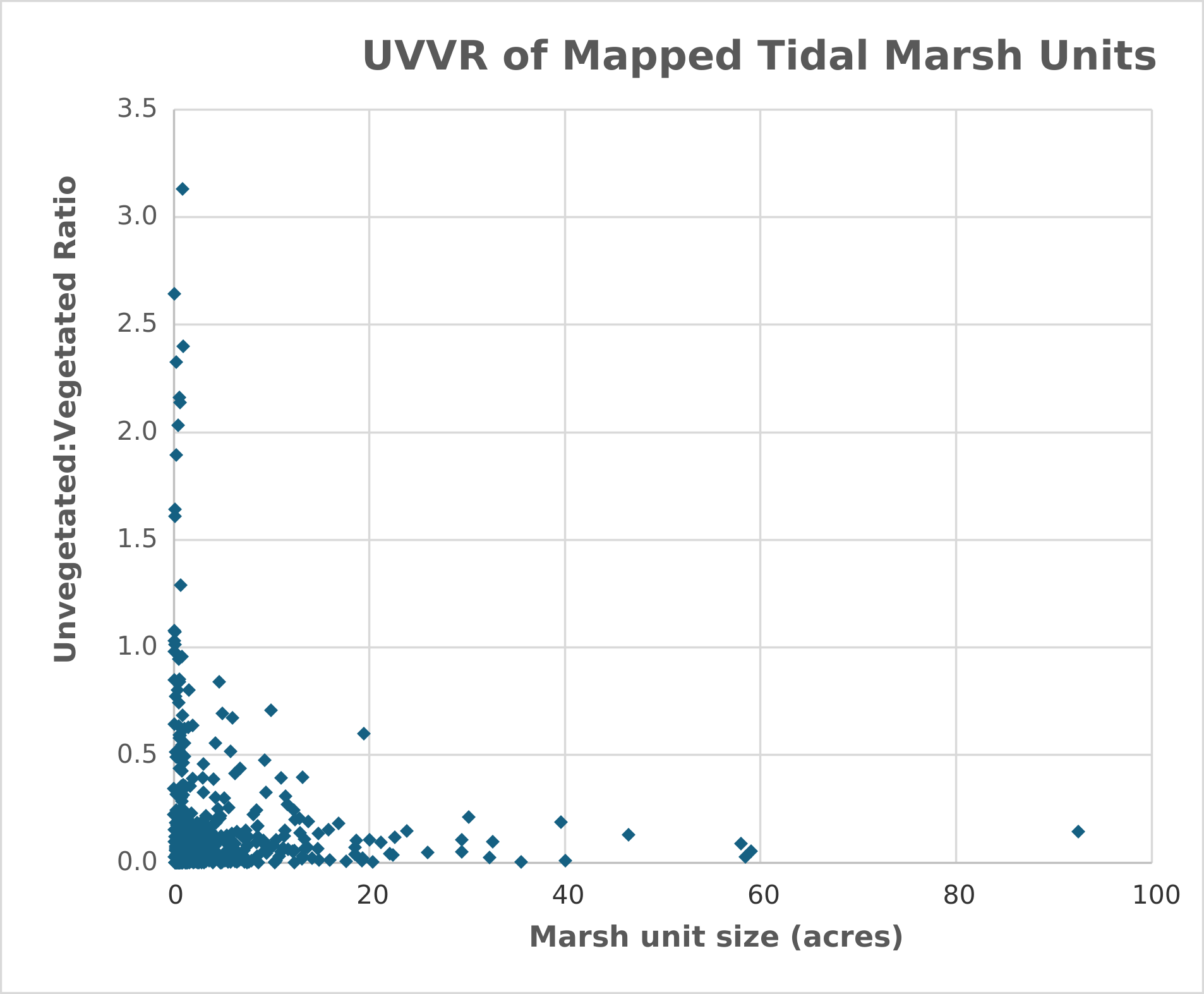
One fifth of the Bay’s tidal marshes are vulnerable to conversion to open water/mudflat based on recent USGS analysis of the ratio of vegetated to unvegetated area of marsh surface. Most marshes are vulnerable over the long-term, without intervention.
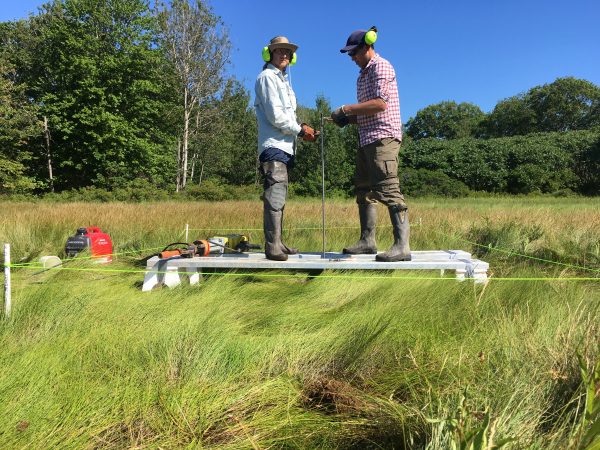
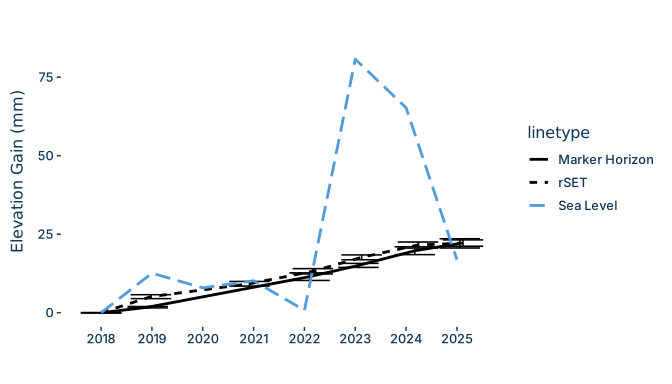
Although more data is needed, an initial review of Gamble Marsh data suggests that the average annual elevation gain is outpacing the long-term rate of sea level rise in Portland.
To address this vulnerability, several local partnerships have formed around the Bay to take proactive measures to build marsh resilience through restoration activities.
Since the 2021 Report
Since the 2021 report, there is increased capacity for restoration work in Casco Bay, particularly through collaboration across multiple organizations with shared goals. Dozens of conservation organizations, agencies, and municipalities are focused on the resilience of tidal ecosystems including marshes, mudflats, shellfish, and eelgrass beds. Robust collaborations have helped make large-scale restoration across multiple sites possible.
The integrity of Casco Bay’s ecosystems depends on the function and persistence of coastal habitats that serve as critical habitat for fish, shellfish, birds, plants, and other organisms. These habitats also help protect human communities from flooding, storms, pollution, and the effects of climate change. Within the Casco Bay Plan, there is a particular focus on building resilience in the Bay’s tidal marshes.
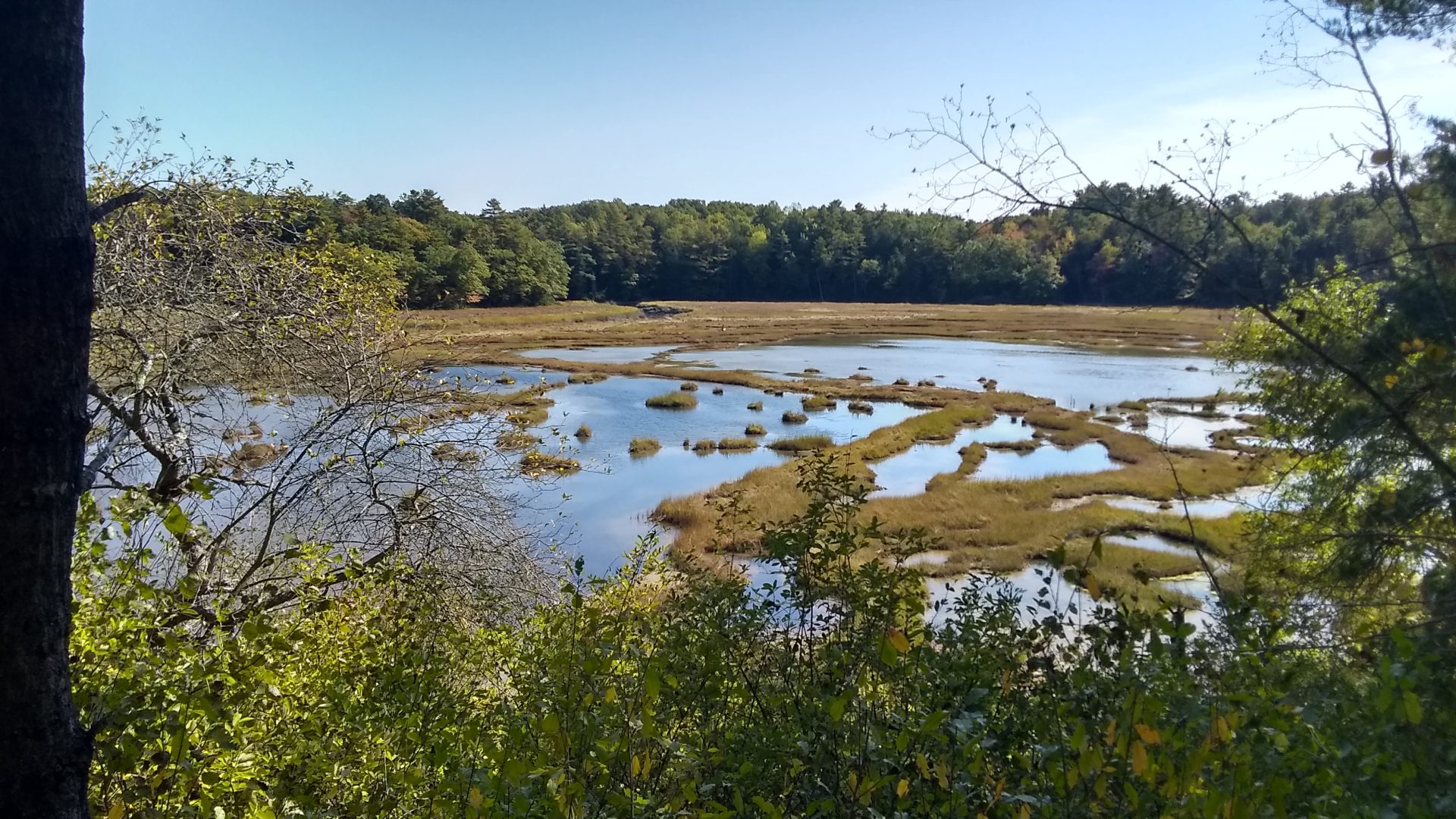
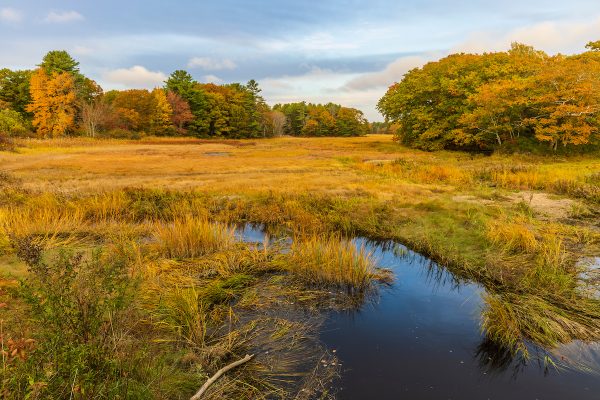
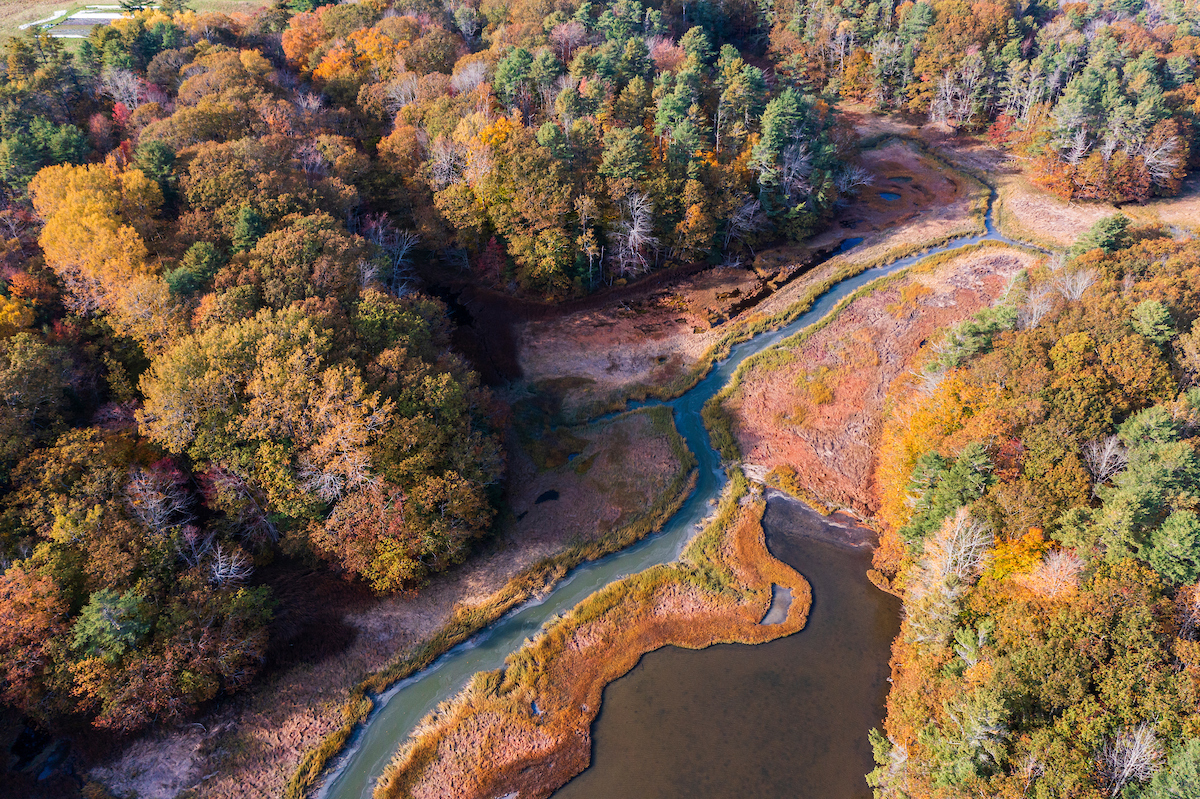
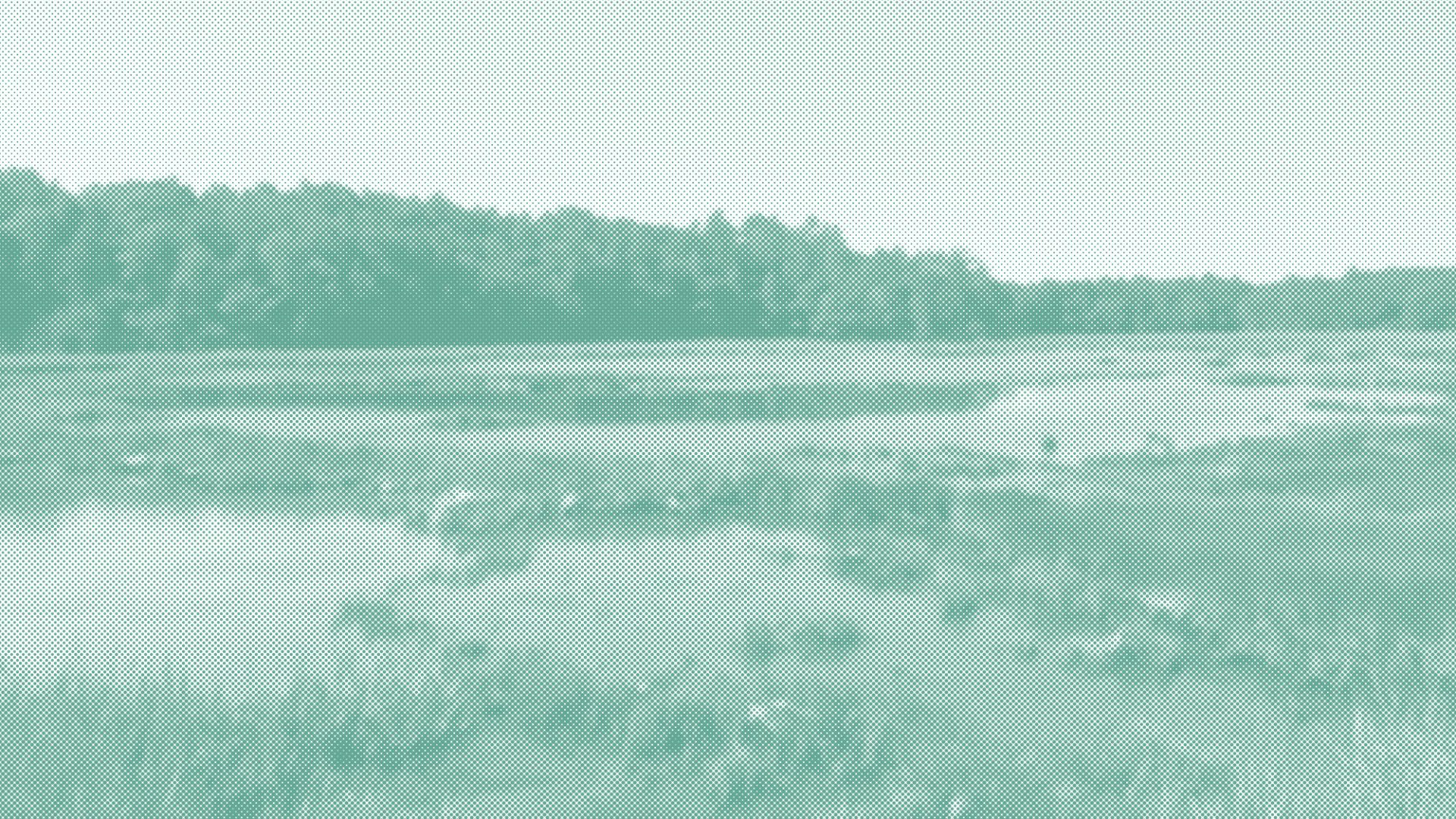
Tidal marshes are expansive meadows that exist in sheltered areas that are regularly flooded by the ebb and flow of the tides. They support coastal ecosystems by harboring juvenile fish, enhancing water quality, and providing organic material that supports nearshore food webs and shellfish beds. Tidal marshes buffer coastal communities from storm surge and sea level rise, and they sequester atmospheric carbon and slow the buildup of atmospheric carbon dioxide. Conversely, loss of tidal marsh can release large quantities of carbon dioxide stored in tidal marsh sediments.